comments 14

The Month of Cake: Orange & Yoghurt Semolina Cake

The Month of Cake - Orange, Yoghurt and Semolina Cake 2

In other news, I have a new job. I’m not going to share details but I will say that I am looking forward to the change. Change is enlivening (remember) and there has been far too little of it lately for my liking.  It feels good to shake things up.
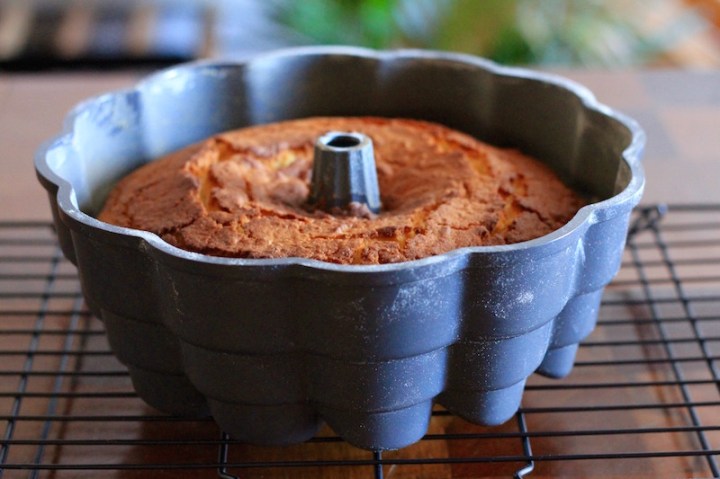
Freshly baked Orange, Yoghurt and Semolina Cake

Even so, just because I’m looking forward doesn’t mean that I’m not looking back. I have grown to love so many of my colleagues at my current work and I am sad that soon I won’t get to see them every day. We have a great camaraderie: daily bitching sessions blow the steam away, homemade date scones get delivered to our desks, and lunch time chats let the crazy out, allllll the way. The nature of my work has often meant that I’m never in a single workplace for long, but the last three and a half years have been long enough to really get to know people. These guys have been my sounding boards and reality checks, my fellow caffeine abusers, my biggest supporters, and even my public transport companions. It’s been swell.
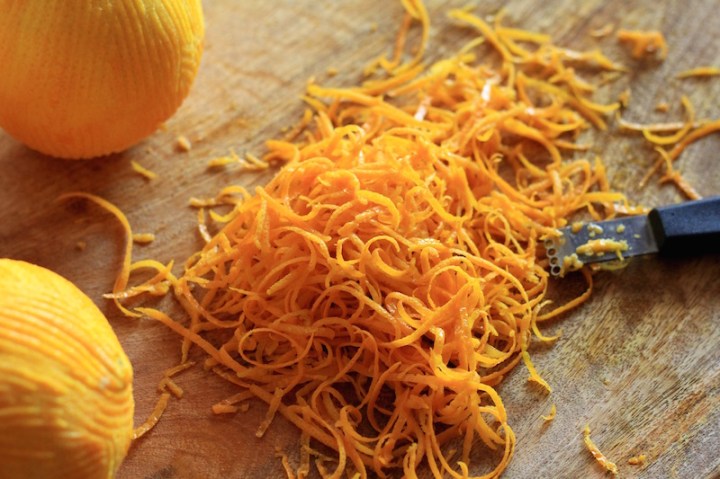
Strips of orange zest for Orange and Semolina Cake

I’m terrible with goodbyes and hate getting mooshy. I’m much better at concealing my awkwardness by creating distractions, like saying “look, I baked you a cake”. The giveaway here is that I’m making these guys four cakes – one for each week of my notice period. Four cakes is excessive. Basically, this is me baring my soul. So…yeah…you guys rock. You get a whole Month of Cake.
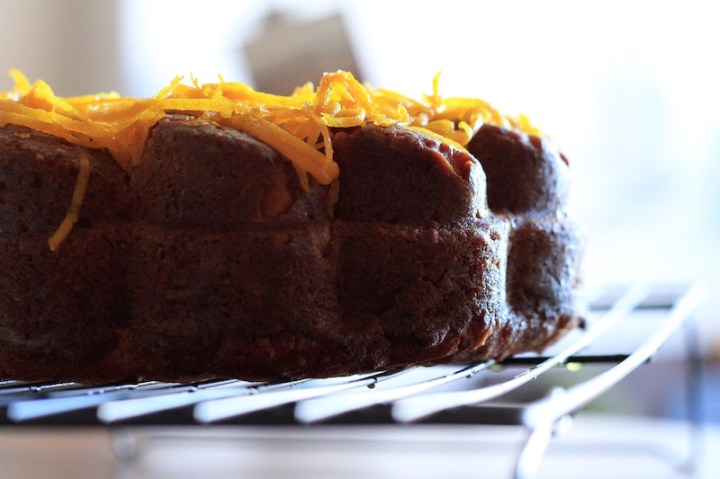
Orange, Yoghurt and Semolina Cake

The recipe for the first of four cakes comes from Julie Le Clerc, a New Zealand cookbook author of Syrian and French heritage. The cake is dense with semolina, tangy with yoghurt and bright with orange. It smells utterly divine in the oven, and then after it’s baked, you drench it in a syrup made from orange juice and honey. The finishing touch is to drape strips of orange zest over the top – an eye-catching addition that transforms the plain brown cake into something vibrant and gorgeous. Years ago I made it for a friend’s birthday and placed a posey of red geraniums and green herbs in the centre with candles around the rim. It worked because this is a cake of humble origins with a touch of celebration about it. It was perfect for week 1 of the Month of Cake (plus they ate it, which is probably a good sign).
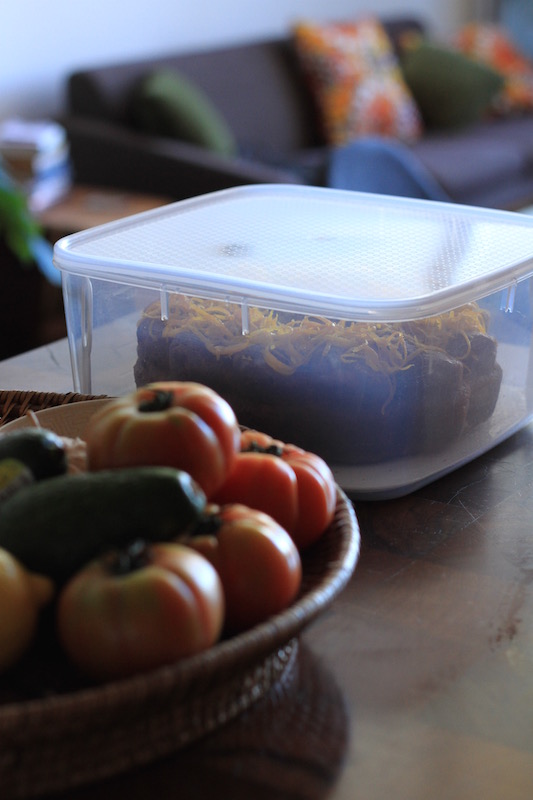
The Month of Cake - Orange, Yoghurt and Semolina Cake

Orange & Yoghurt Semolina Cake

Adapted from Julie Le Clerc, Feast@Home

250g salted butter, softened
Finely grated zest and juice of 1 orange
1 cup castor sugar
3 eggs
3/4 cup Greek yoghurt
1/2 cup semolina
2 1/2 cups self-raising flour

For the syrup:
Stripped zest and juice of 3 oranges
1/2 cup water
1/2 cup liquid honey

Preheat the oven to 175°C / 350° F on fan bake. Thoroughly grease a 20cm ring or bundt tin then dust with flour and shake out the excess. Set aside.

Measure the flour and semolina into a large bowl and whisk together to combine and aerate. Set aside.

Place the softened butter in the bowl of a stand mixer along with the grated orange zest and sugar. Beat until pale and creamy. Add the eggs one at a time, beating each until well combined. Add the juice of one orange and the yoghurt, and combine by hand using a whisk. Add the dry ingredients and gently stir together using a large spoon.

Spoon the mixture into the tin  and level out evenly. Bake for 50 minutes or until a skewer inserted into the centre of the cake comes out clean. Remove from the oven and let cool in the tin for 10 minutes. Turn out onto a rack to cool completely. When the cake is completely cold, pierce the surface all over with a skewer. This will encourage the cake to absorb the syrup.

To make the syrup, use a zester to remove strips of zest from three oranges. Place the zest, the juice of all three oranges, water and honey into a small saucepan. Bring to a boil and simmer for 5 minutes. Spoon the hot syrup over the cold cake, draping the strips of zest artfully (or not). Serve slices of the cake with more Greek yoghurt on the side.
Filed under: Eat
comments 30

My home is green and gold

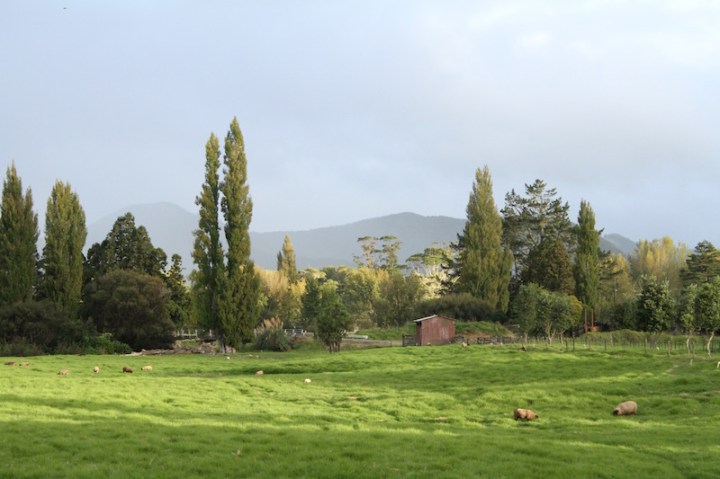
Rural idyll, Far North New Zealand

Whenever I’m home I am fundamentally different from the way I am in my other home in Brisbane. I feel it as soon as I get off the plane and walk through the tomokanga (carved gateway) at the international terminal. Dammit, that thing makes me cry a little every single time. If I go through Customs and the agent happens to say “welcome home” (which they do, most of the time) then dammit if I don’t cry just a little more.

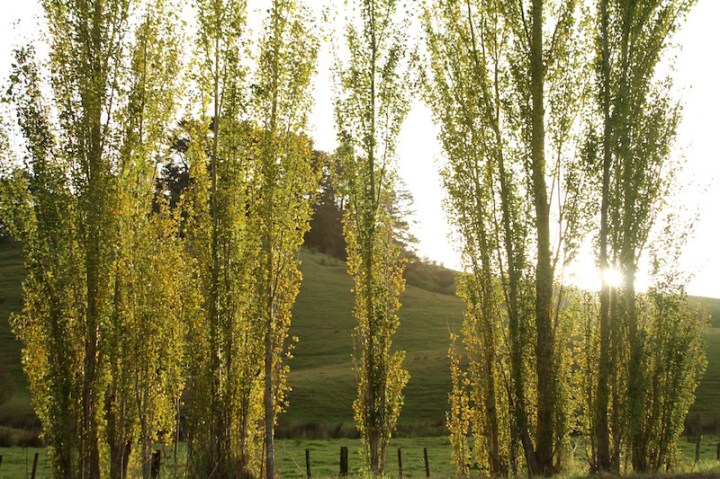
Being with our family and friends accounts for much of the feeling of home – that goes without saying – but it’s also, very strongly, the landscape. The differences have become quite stark. New Zealand is green and damp in a way that Australia isn’t. Australia has its own stunning natural beauty, but it’s drier here, the vegetation is more sparse and the green is simply a different kind of green.

The light is different too. Queensland is blue skies and sun and vibrant, tropical colours. In New Zealand the light is softer, the colours more muted and earthy. I wore black all the time when I lived in New Zealand but here in Brisbane, I wear dresses in every colour of the rainbow. Even my hair is dyed a brighter shade of red.

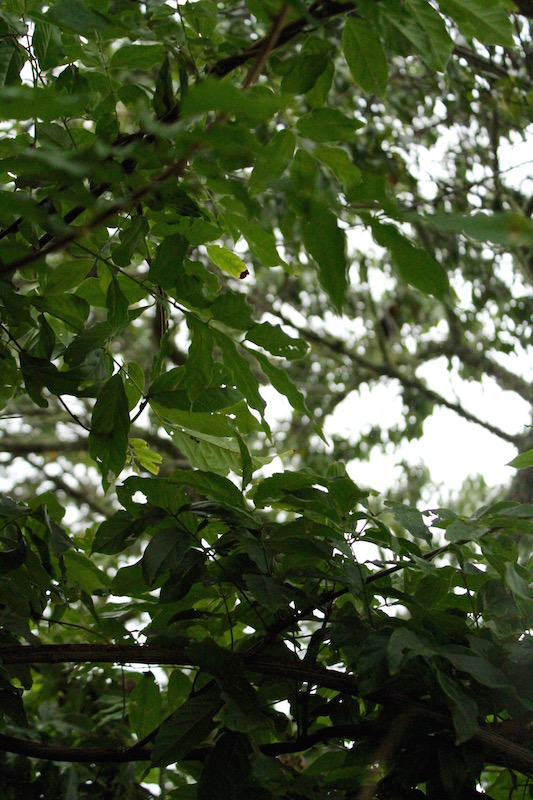
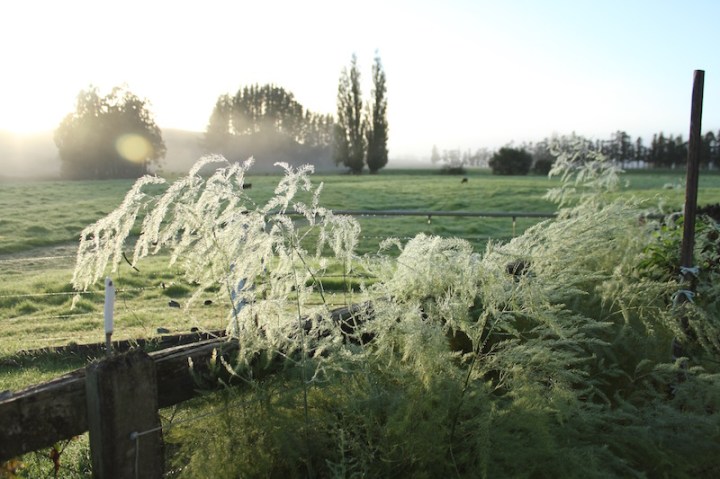
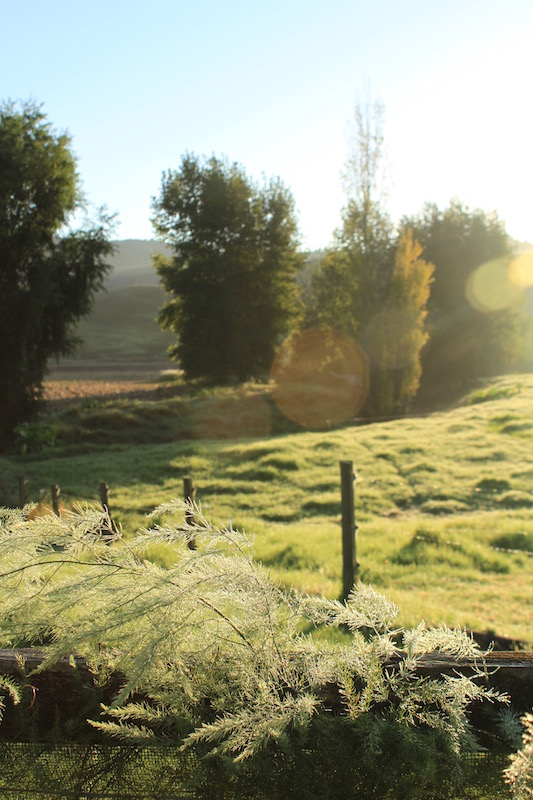
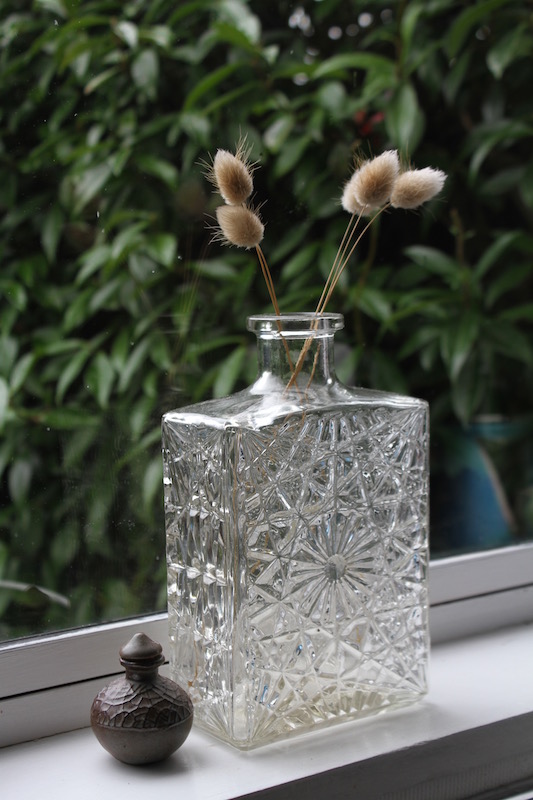
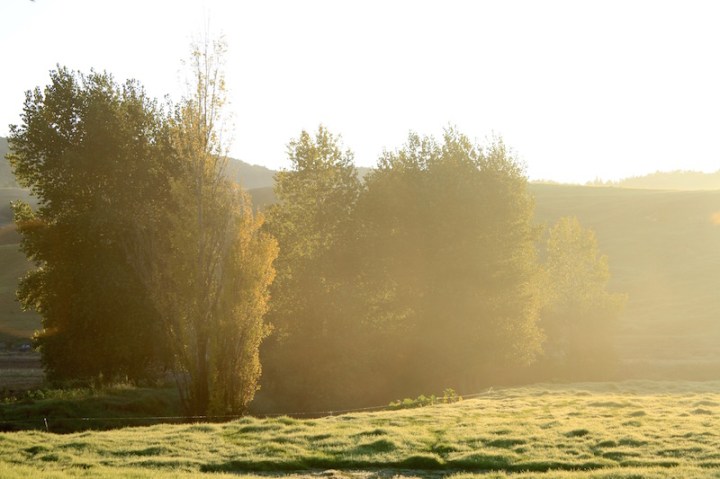
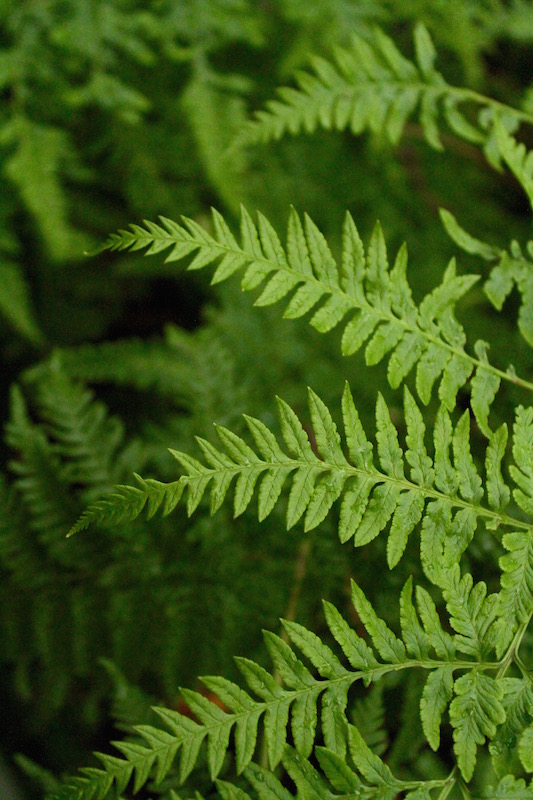
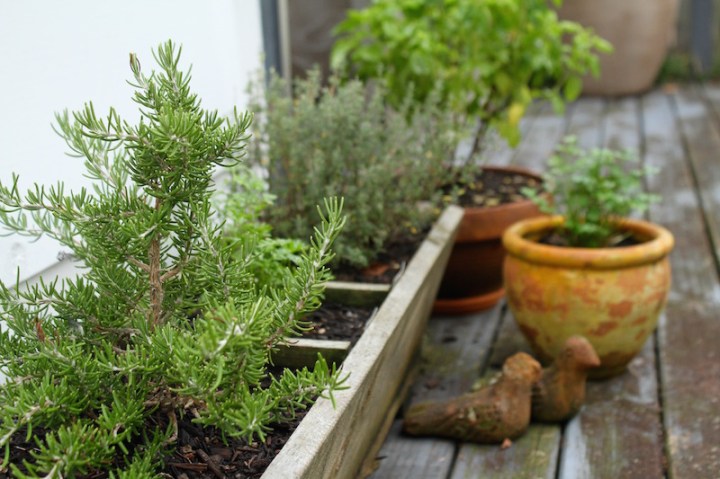
Whenever I’m home I have to drink up the landscapes, bottle the smell of the night, and try to capture something essential to take away. These photos are of green and gold, the colours of New Zealand in autumn. The landscape photos were taken within metres of my parents home in the Far North. I grew up with these views every single day, but to be honest, I had to leave in order to see them for what they are. The other photos were taken in my sister’s leafy suburban garden in Auckland on a rainy Saturday afternoon – the kind of afternoon you get sick of after months of winter dampness, which we instead experienced nostalgically.

Of course, green and gold are also the national colours of Australia, so the title of this post has a double meaning: I love the life that I’ve built here, but New Zealand still holds my heart with a tight, tight squeeze.

Autumn leaves in the late afternoon, Far North New Zealand

Green and damp, Auckland New Zealand

Misty morning, rural Far North New Zealand

Morning with gold and mist 2, Far North New Zealand

Rising sun, Far North New Zealand

Kitchen windowsill and with green view

Morning with gold and mist, Far North, New Zealand

Green ferns, New Zealand

Urban herb garden in Auckland, New Zealand

comments 15

A taste of home (Fish & Fennel Pie)

Fishing at dawn - Doubtless Bay, Far North, New Zealand

I‘m hardly an angler of substance, but I will never forget my first fishing rod. My sister and I must have been around 5-7 years old when we woke up one Christmas morning to find a pair of very tall, thin gifts sticking out of our Santa sacks. Our shiny child-sized rods were immediately put to use fishing for sprats off the wharf and real fish from Dad’s boat out on Doubtless Bay. We fed the sprats to our pet cats who instantly turned feral, issuing low, threatening growls if we ventured too close to their meal.

My extended family are all keen fishers and holidays were punctuated by fishing trips. Everyone took turns so that we all had a go in the boat. For those who stayed behind, the ritual was to listen out for the fishers return, then head outside to admire the catch, wow at the stories and commiserate over the sunburn.

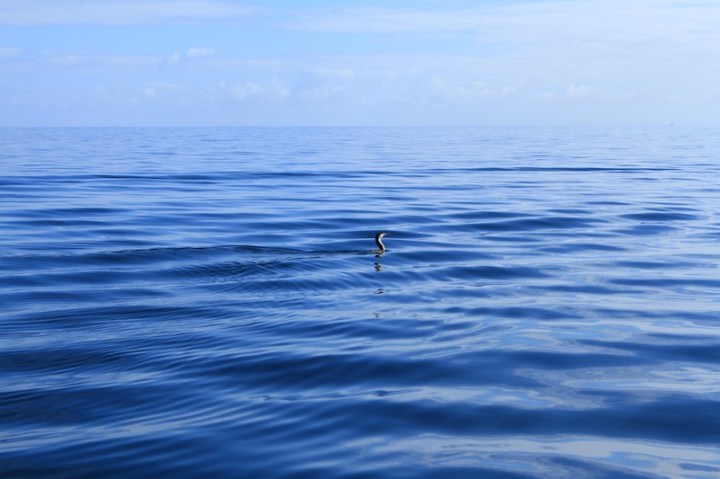
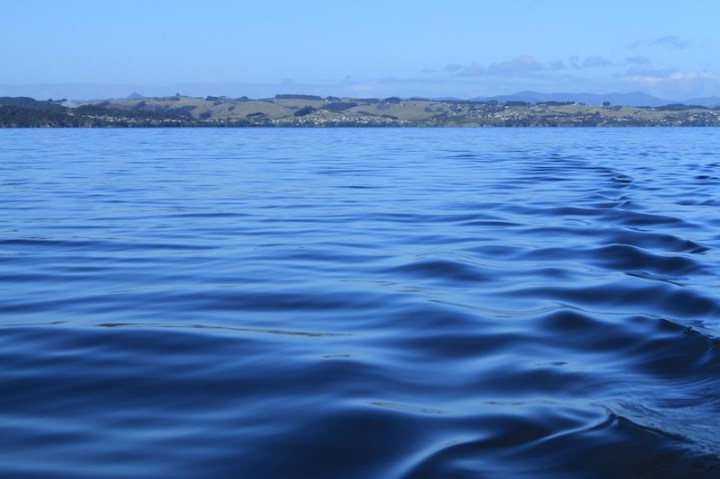
In late March we flew home to NZ to see our families for a week. It was a busy time but we couldn’t resist Dad’s offer of an early morning fishing excursion on beautiful Doubtless Bay. The 5am wakeup was a little painful (we hadn’t yet adjusted to the 3-hour time difference), but it ensured that we were on the water by 6.30am. Almost immediately we started pulling up snapper, and when they stopped biting we moved and caught several kahawai. The semi-vegetarian in me struggled a little with each moment of death (and I even threw one back – some things have changed since I was a kid) but I still got caught up in wrestling fish into the boat, scanning for birds and marvelling as fat skipjack tuna fed on the surface. It was a beautiful crisp autumn day and the water gradually became still and intensely blue. By late morning it moved so languidly that it looked like oil.

One of best ways to eat perfectly fresh fish is simply to dust it with flour and fry it in butter. I was fortunate, then, that Mum and Dad agreed I could filch several fillets of snapper to make a fish pie for dinner. This recipe for Fish & Fennel Pie is originally Donna Hay’s but I’ve been cooking it for about 10 years now and favourite recipes like these tend to become your own as you enhance them over time. In this pie, the fish is combined with fennel, onions and carrots then brought together with cream, wine and lemon zest. This simple and fragrant filling is topped with bread, brushed with butter and baked until crisp in the oven.

The pie turned out well – how delightful it was to cook and eat fish that was barely a few hours old! Later that week, back in Brisbane, I decided to cook the pie again. I paid an arm and a leg for fish from the supermarket and sourdough baguette from the bakery. The pie was good, but it just wasn’t the same.

Out fishing at sunrise - Doubtless Bay, Far North, New Zealand

Dad hooking up

Fishing in Doubtless Bay, New Zealand

Beautiful Doubtless Bay, New Zealand

Doubtless Bay, Far North New Zealand

Fishing on Doubtless Bay, New Zealand

Water as smooth as oil

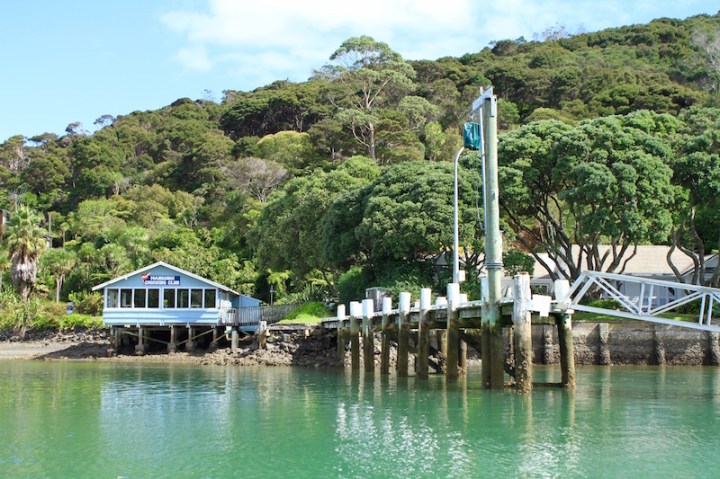
Mill Bay wharf

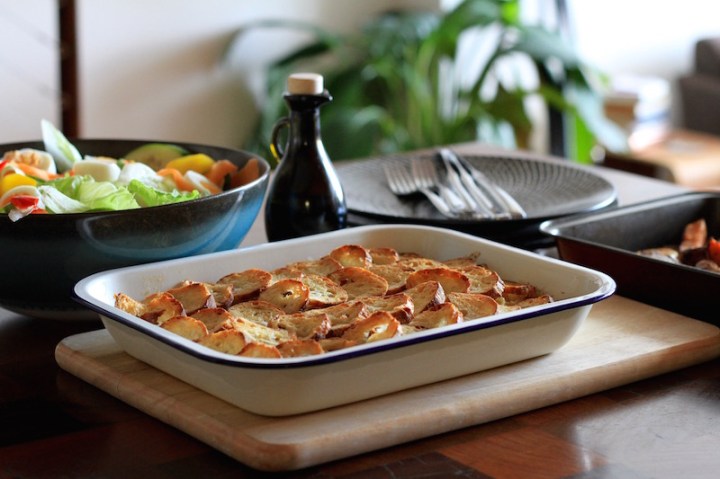
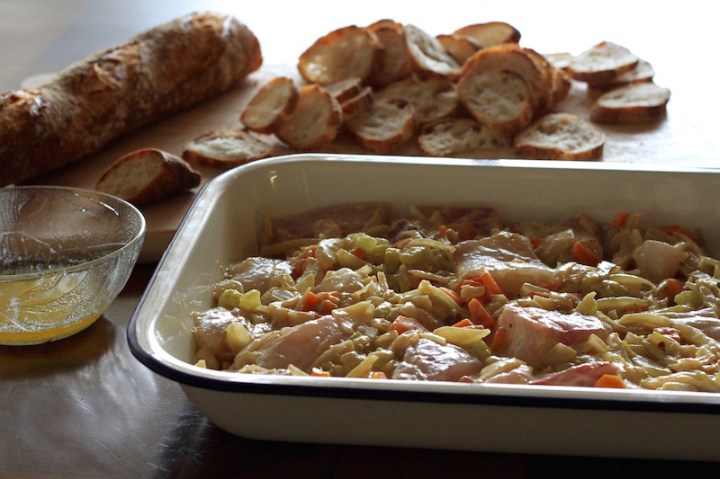
Fresh fish pie with crispy bread topping

Fish & Fennel Pie

Adapted from Donna Hay, circa 2005

750g firm white fish, such as snapper
30g butter
1 Tbsp olive oil
1 large onion, thinly sliced
2 medium fennel bulbs, thinly sliced
1 celery stick, thinly sliced
2 carrots, thinly sliced
2 cloves garlic, crushed
1 Tbsp flour
Zest of one lemon, finely grated
1/2 cup dry white wine, such as Sauvignon blanc
3/4 cup cream
1/2 tsp Thai fish sauce
French stick or baguette, sliced thinly into rounds
30g melted butter

Preheat the oven to 180°C / 350°F. Rinse the fish and pat dry with paper towels. Cut into pieces, about 2cm by 2cm. Cover and set to one side.

Melt the butter and oil in a large, heavy bottomed pan over a low-medium heat. Add the vegetables (all thinly sliced into whichever shapes please you) and the crushed garlic along with a generous pinch of salt. Cook the vegetables for about 20 minutes, stirring occasionally, until tender but not brown. Add the flour and stir through. Add the wine and cream then raise the heat to gently simmer for a couple of minutes. Drop the heat back again add the lemon zest, fish sauce and a good grind of black pepper. Taste the sauce and adjust as required, adding more wine, fish sauce, salt or pepper until the sauce tastes balanced and good.

Add the fish pieces to the vegetables and stir to combine. Transfer the mixture to a baking dish. Top with sliced bread, overlapping the slices like fish scales. Brush the bread with melted butter and bake for 20 minutes until the bread is golden.

Making fresh fish and lemon pie

comments 17

Roasted Figs with Lemon Scented Labneh

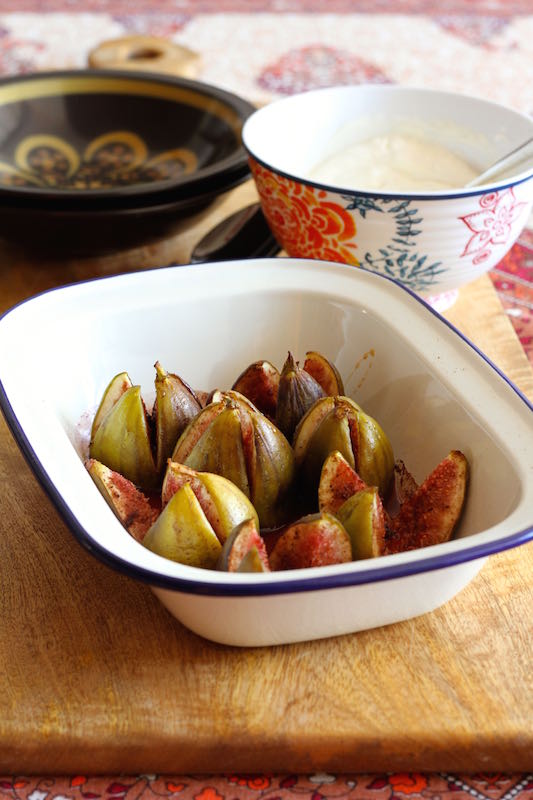
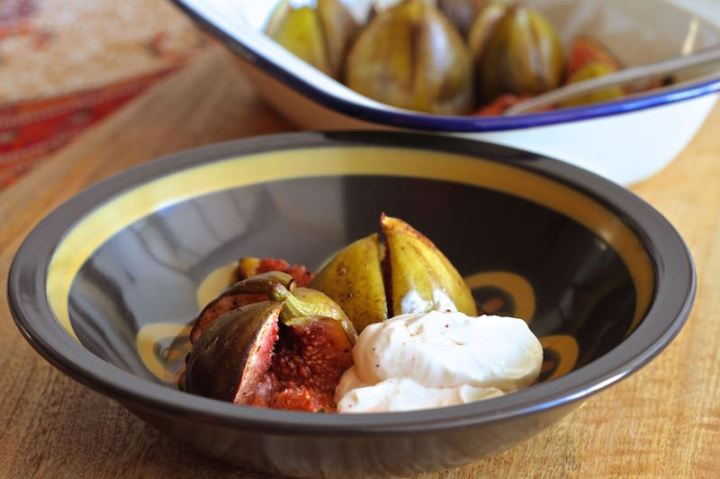
Autumn produce - fresh figs roasted with spices and served with lemon scented labneh

And just like that, it’s autumn. The days are still warm but the humidity has gone and the edge of chill is creeping in. We’re still sleeping with the sheet only, but I am contemplating getting the duvet out, to have it close within reach. This is the best time of the year in Brisbane. From now until late October, we will enjoy day after day of clear skies, gentle sun and crisp, cool nights. Finally, I can shut up about the weather, think beyond salads and smoothies, and focus solidly on autumn produce and warm, spicy foods.

Roasted figs with lemon scented labneh2

Late summer-early autumn is my favourite time of the year to cook. Vegetables like eggplant and capsicums have spent all summer absorbing the sun and are full of flavour. I go all Mediterranean in my thinking and cook big pots of ratatouille and trays of stuffed capsicums, wondering if this is the year that I will finally master the moussaka. New season apples and pears hint at poached fruit and crumbles in my future, and best of all, fresh figs are finally coming down in price.

Roasted figs with lemon scented labneh

One day I will have a fig tree in my own back yard. I will pick baskets of figs at dusk, in bare feet and a flowing dress, the very vision of pastoral bliss…but until that day, I will settle for spending my pocket money on these glowing purple orbs, packaged in fours in sterile plastic boxes, commanding ridiculous prices that only city people will pay.

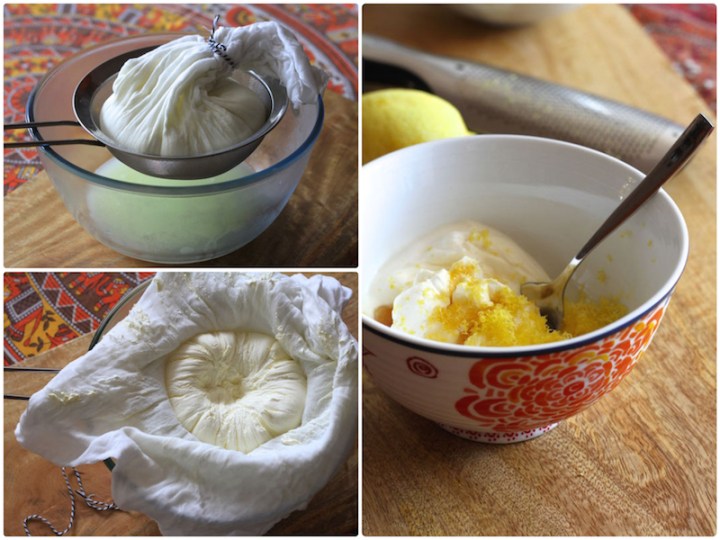
Making fresh labneh - strained yoghurt cheese

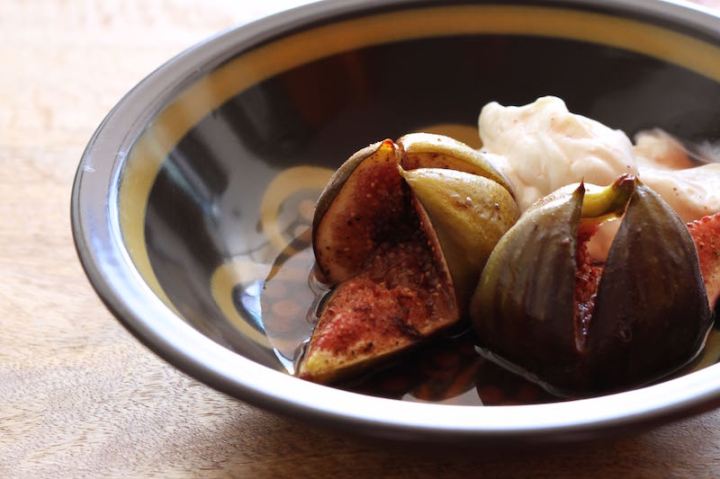
I like fresh figs well enough, but throw them in the oven and I am in heaven. The rough skin dehydrates and becomes slightly leathery – a fantastic contrast to the soft, sweet flesh and crunchy seeds. Served warm with a dollop of cooling lemon-scented labneh, these figs are a delectable dessert or (if you are so inclined) a luxurious breakfast. I mostly use cinnamon to add a touch of warmth to the figs, but this time I used a spice blend called Sweet Ras-El-Hanout (from the Brisbane-based company, Mistress of Spice), which features cardamom, cinnamon, allspice, nutmeg, vanilla, pepper and rose petals. If it sounds amazing that’s because it is. The spices were so gorgeously evocative, the fig juice all pinky, the labneh so creamy, it was all…so…beautiful. I think I might have moaned a little.

You know what else I like in autumn? Viognier. Juicy, golden, viognier – it’s the perfect wine to drink right now and the peach/apricot flavours would go fantastically with these figs.

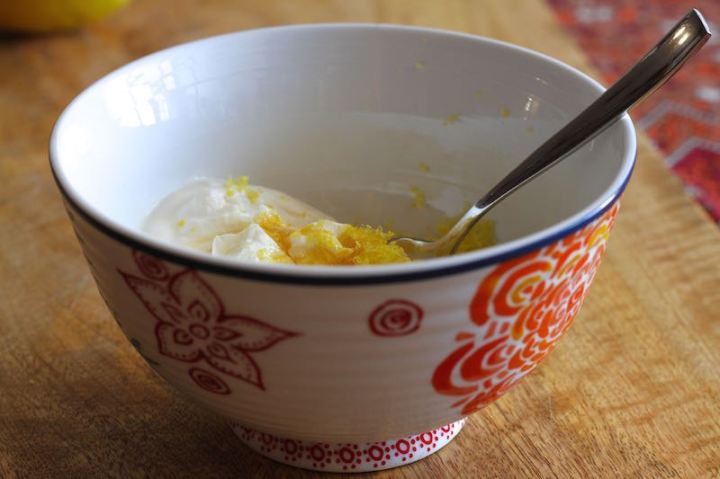
Stirring lemon zest and honey into labneh

A note about labneh – this is a fresh cheese made by straining the whey from yoghurt. Strained yoghurt is commonly prepared throughout the Mediterranean, Middle East, and the Indian subcontinent. It is often used in savoury dishes, as the base for dips like tzatziki, rolled into balls and sprinkled with herbs and olive oil, or used as a cooling condiment for curry. Labneh is very easy to make at home provided you start well ahead of time (this is where I found my method). It gets thicker and drier the longer you strain it. I wanted a soft, creamy labneh for this dish so I strained it for only 6 hours which made it like a very thick Greek yoghurt. For a more traditional labneh, strain for up to 24 hours.

Roasted figs with lemon scented labneh 3

Roasted Figs with Lemon Scented Labneh

To make the labneh (makes 2-3 cups in total):
1kg greek yoghurt
1 tsp salt

For the lemon-scented labneh:
1 cup soft labneh
Finely grated zest of 1/2 lemon
1-2 tsp runny honey, to taste

For the figs:
8 ripe figs
1/4 tsp cinnamon or any sweet spice blend
2 tsp runny honey

To make the labneh, first prepare a sieve by lining it with several layers of cheesecloth and placing it over a large bowl. Mix 1 tsp of salt through the yoghurt then pour into the sieve. Gather up the ends of the cheesecloth and fasten with string, then place the bowl into the fridge for 6 or more hours. When the labneh has strained to your liking (for this dish I prefer a soft labneh and strain it only for 6 hours), remove one cup and mix with the lemon zest and honey to taste. The remaining quantity of plain labneh will last in the fridge for a couple of weeks.

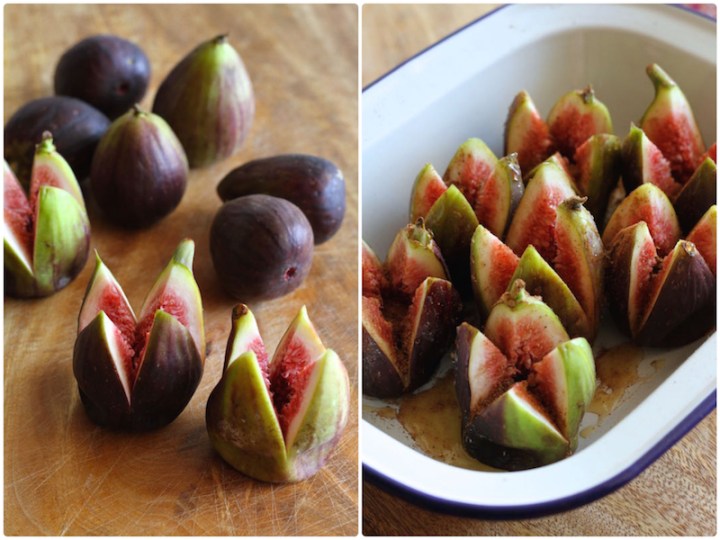
To prepare the figs, preheat the oven to 180°C / 350° F. Make two deep crossed cuts into each fig, then gently squeeze the bases with the thumb and forefinger of both hands to open the cuts slightly.  Place the figs into a shallow dish, dust over some spice and drizzle honey into the cuts. Bake for 20 minutes until the figs have softened and released some of their pink juice.  Serve two figs per person, along with a generous dollop of labneh and a spoonful or two of the fig juice.

Filed under: Eat