comments 12

New best granola | Buckwheat, Apricot, Coconut

New best granola - Buckwheat, Apricot and Coconut - gluten-free

If you’re finding it difficult to get excited about another granola recipe on the internet, well, I understand. I’m not offended. There are a limited number of ways to jazz up the same basic ingredients (oats, nuts, dried fruit) but this hasn’t stopped every single food blogger in the world from posting a thousand variations on a single, repetitive theme. You would be forgiven for thinking that granola has been done to death, for rolling your eyes and deleting or scrolling past this post. And yet…you’d be missing out if you did.
New best granola - Buckwheat, Apricot and Coconut - gluten-free

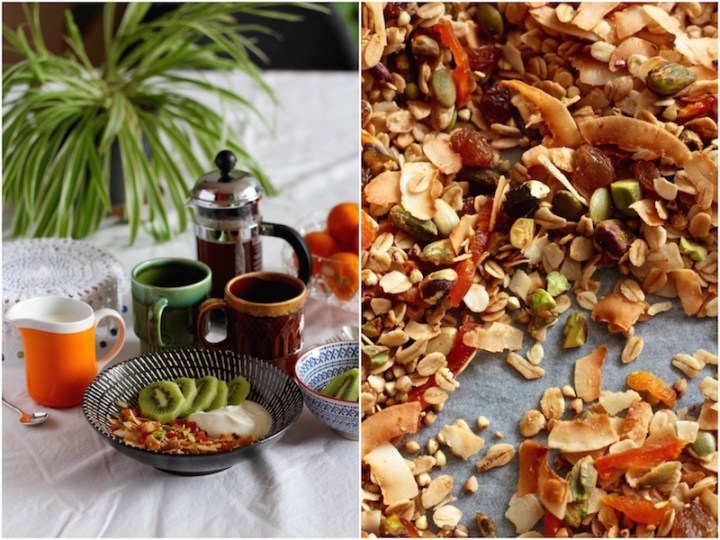
This granola is so good that everyone who has tried it, loves it. I’m guilty of eating it for dinner more times than I would like to admit. This is pretty exciting for granola!
New best granola - Buckwheat, Apricot and Coconut - gluten-free

New best granola - Buckwheat, Apricot and Coconut - gluten-free

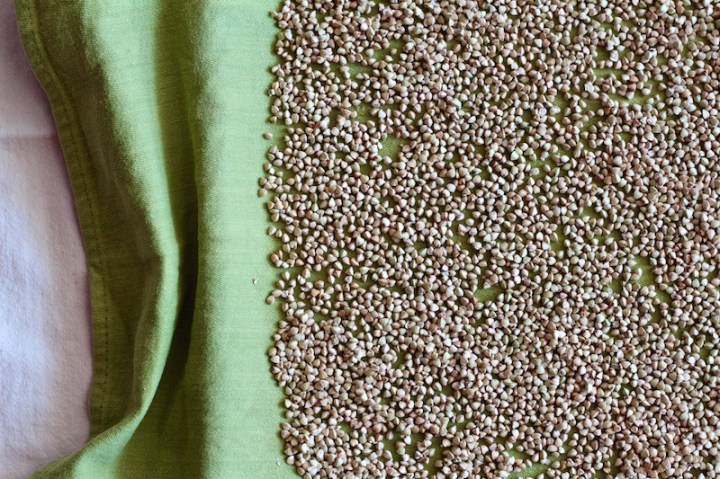
The recipe comes via Amy Chaplin, who can be relied on for creative takes on old favourites; veganised and healthified (but don’t let that put you off), and always tasting good. The granola has the familiar base of rolled oats, but it is joined by buckwheat groats that have been soaked overnight to make them more digestible. Buckwheat might not be the most appealing grain when consumed alone, but here it adds a background nuttiness and satisfying crunch to an already flavoursome mix. It’s also supposed to be spectacularly high in protein, fibre and minerals, but I like to think of that as a bonus rather than the point of the whole thing.
New best granola - Buckwheat, Apricot and Coconut - gluten-free

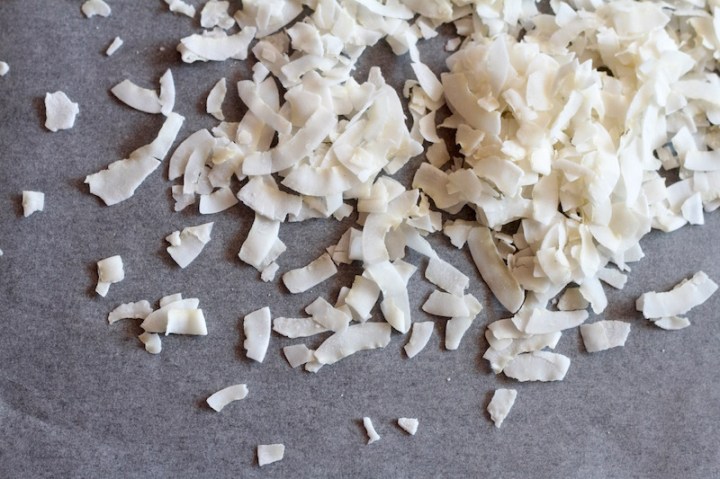
My new best granola took four rounds of adjustment before it became perfect in my eyes. Amy uses dehydrated strawberries in her version, which didn’t appeal to me and I eventually settled on a combination of dried apricots and sultanas to provide the sweet chewability that’s essential to a good granola. I wanted to adapt it to fit what I tend to have at home, so I also replaced Amy’s flaxseed with pepitas (pumpkin seeds) and coconut syrup for maple. I successfully made the granola with shredded rather than flaked coconut, but if you can get flakes then follow Amy’s lead: their toasty crunchiness tops off the textural experience.
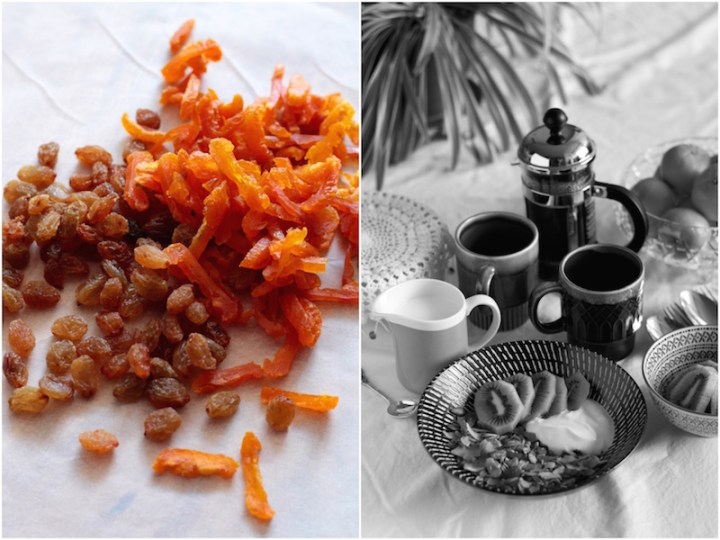
New best granola - Buckwheat, Apricot and Coconut - gluten-free

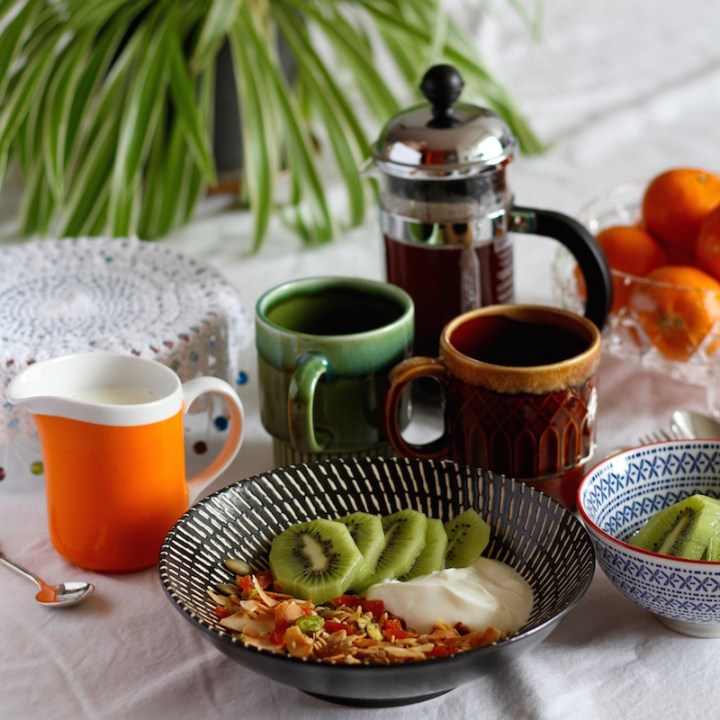
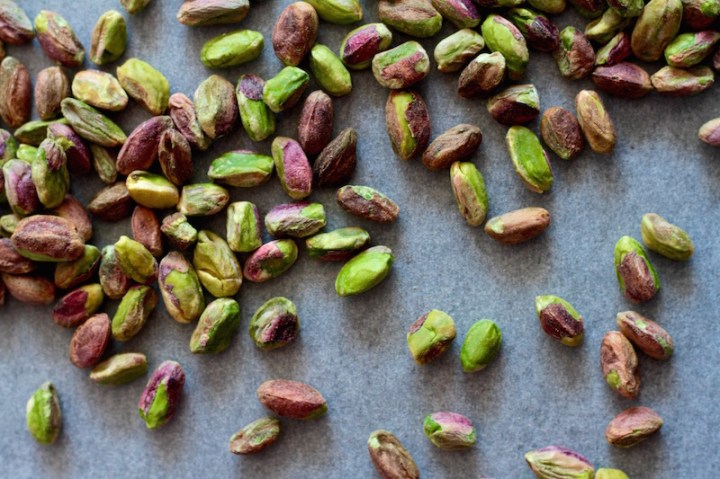
My new best granola, with buckwheat, coconut and apricot, definitely has the edge on my old best granola, with orange and pistachio. That one is still a winner for its spicy, wintery flavours, but this new recipe manages to be both bright and comforting. It’s lighter, less sweet and the cardamom provides an exotic background fragrance. I like it served with fresh kiwifruit or sliced pear, along with Greek yoghurt and a little milk. It’s simply, perfect.
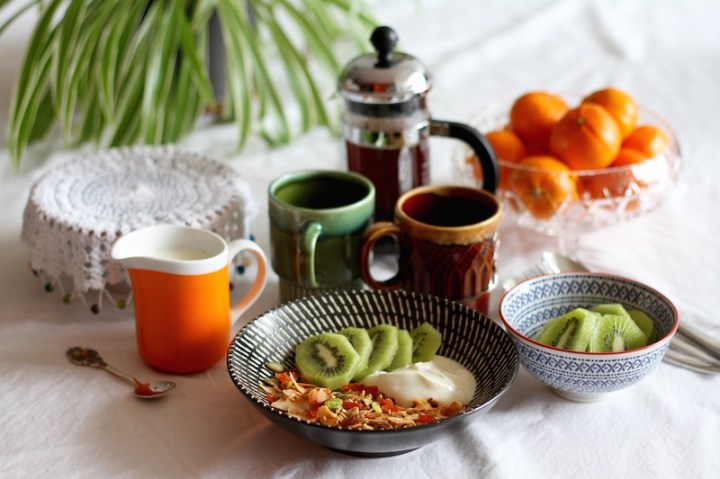
New best granola - Buckwheat, Apricot and Coconut - gluten-free

Buckwheat Granola with Apricots & Coconut

  • Servings: makes about 8 cups
  • Print
Adapted from Amy Chaplin

1 cup raw buckwheat groats, soaked overnight in plenty of filtered water
2 1/2 cups old fashioned rolled oats
2 1/2 cups dried unsweetened flaked coconut
2 Tbsp pumpkin seeds (pepitas)
1/2 cup pistachios, roughly chopped
1/3 tsp sea salt
1/2 tsp ground cardamom
1/4 cup coconut oil, melted
1/3 cup maple syrup
1 Tbsp vanilla extract
1/2 cup dried  apricots, thinly sliced
1/4 cup sultanas, raisins or currants

Drain and rinse the buckwheat thoroughly. Spread out on tray over a clean tea towel to dry for several hours. You can speed this up by placing the tray in the sun.

Pre-heat the oven to 175° C / 350 °F and line a large, rimmed baking tray with baking paper.

In a medium bowl combine the rolled oats, coconut, pumpkin seeds (pepitas), chopped pistachios, salt, cardamom and dried buckwheat. Toss thoroughly to combine. Whisk together the melted coconut oil, maple syrup and vanilla. Pour over the dry ingredients and stir until everything is lightly slicked.

Transfer the mixture to the baking tray and spread out to an even layer. Place in the oven and bake for 10 minutes. Stir the granola and place back in the oven for 8 minutes. Stir again and bake for another 5 minutes, or until the colour is golden. You may wish to stir and bake the granola for another few minutes if the colour is not as deep as you would like, just take care that the coconut doesn’t burn.

Remove from the oven and allow to cool. Add the chopped apricots and sultanas or currants and mix through. The granola keeps well in an airtight jar for up to 6 weeks. Serve with yoghurt and fresh fruit – kiwifruit and pear both work beautifully.
Filed under: Eat
comments 9

Santiago Surrounds | Snow + wine

the-majestic-andes-mountains-santiago-de-chile-june-2016

Part of the motivation for our South America holiday was to celebrate our birthday in a new and exotic location. No, that’s not a typo, and yes, we share a birthday in addition to an apartment, a car and a life. Colin is a year older than me which means that he was blowing out a candle on his first birthday cake at the moment I emerged, squalling, into the world. It took another 15 years for us to fall in love at high school, and only another 25 for us to celebrate our weirdly conjoined birthday in the Andes Mountains on the other side of the world.

road-to-the-top-andes-mountains-chile-june-2016

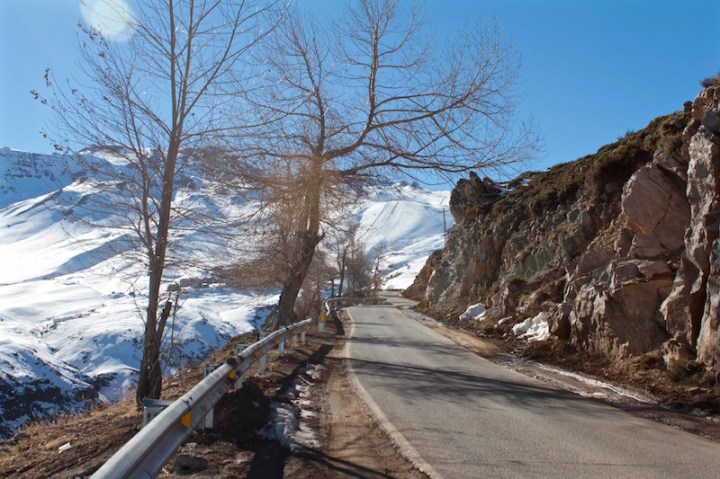
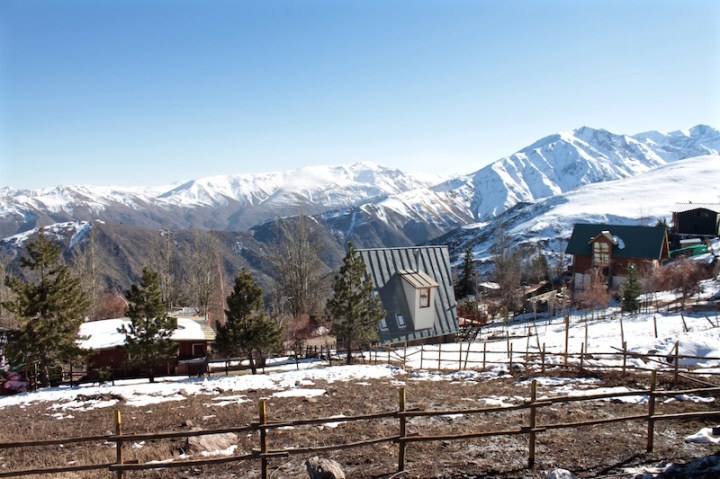
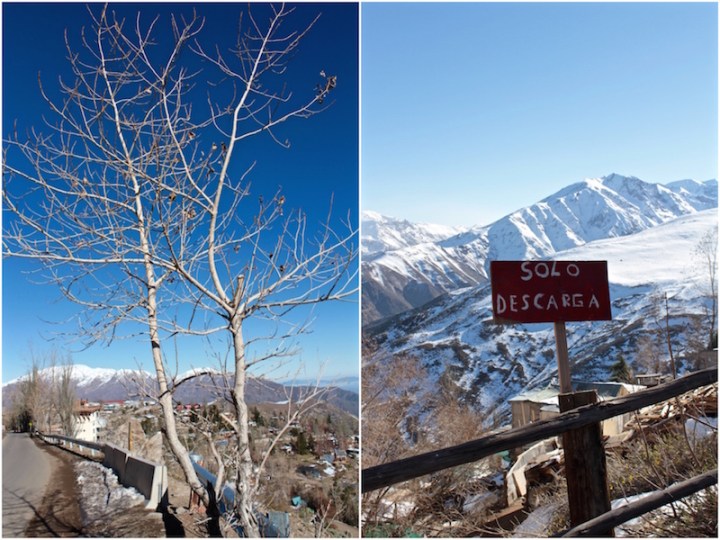
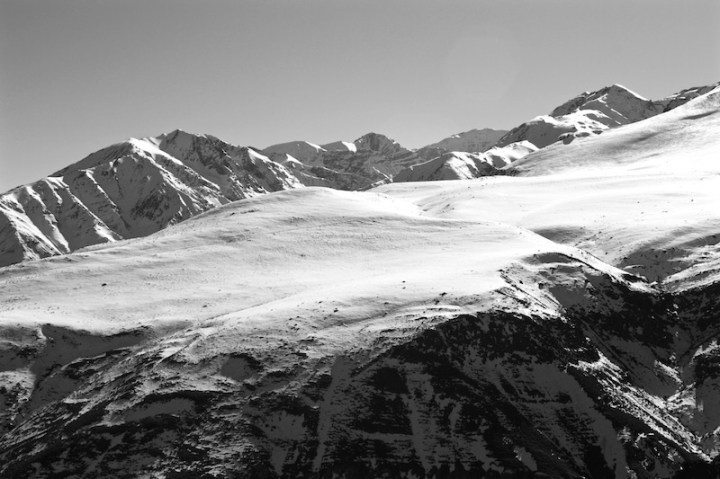
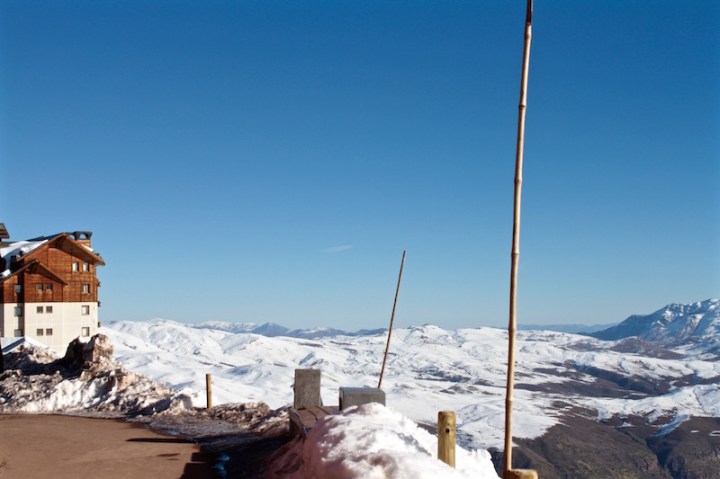
The mountains to the east of Santiago are very accessible from the city. We booked a tour which departed early and it didn’t take long before the landscape changed from houses and streets to barren hillsides dotted with cacti as the bus steadily climbed upwards. The tour guide, Daniel, kept us entertained with stories and amusing anecdotes about the history of the area, spoken alternately in Spanish then English. Unfortunately much of the entertainment was lost on me as I concentrated on sipping water to suppress nausea and dizziness, thanks to a fourth long night of little to no sleep (jet lag is a bitch). Luckily for me our first stop at Farellones, a small town and ski resort, came within an hour’s drive of central Santiago. Finally, the solid ground and crisp mountain air revived me and I began to enjoy the day.

picturesque-town-on-our-way-to-the-ski-resort-andes-mountains-chile

farellones-in-the-andes-mountains-chile-june-2016

looking-back-towards-santiago-andes-mountains-june-2016

In Farellones, looking back to Santiago in the distance. This photo clearly shows why Santiago experiences so much haze and smog, as it sits in a basin between the Andes to the east and the Chilean Coastal Range (Cordillera de la Costa) to the west.

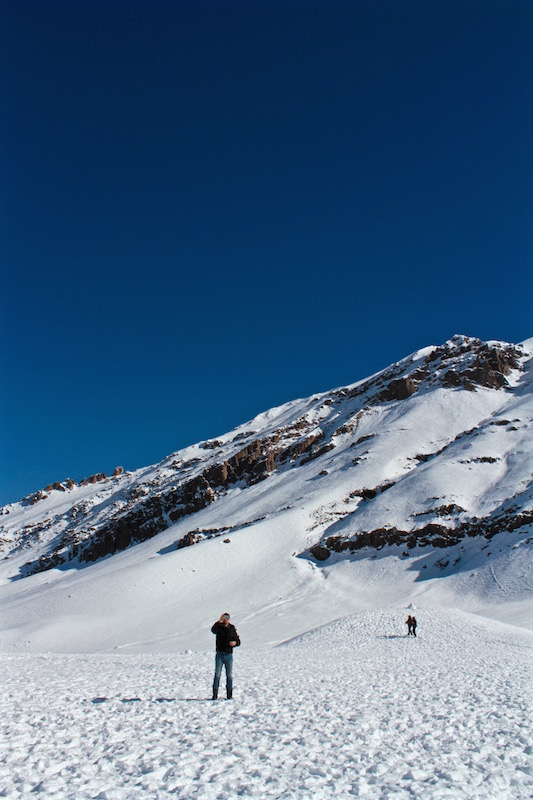
Shortly after Farellones we stopped again next to a pristine stretch of snow. Much of the time our journey was flanked by rocks on one side of the bus and a steep drop on the other, but here the land had flattened out providing the perfect spot for snow play. Despite growing up in New Zealand, we lived a long way from the mountains further south and had never really spent time in the snow. Feeling like a couple of kids, we crunched about, threw snowballs and took multiple selfies against the bluest sky I have ever seen. On the road again, the tour guide discovered that it was our birthday, which prompted the jovial passengers to sing “Happy Birthday to You” (in Spanish, of course!).

the-bluest-sky-take-2-andes-mountains-chile-june-2016

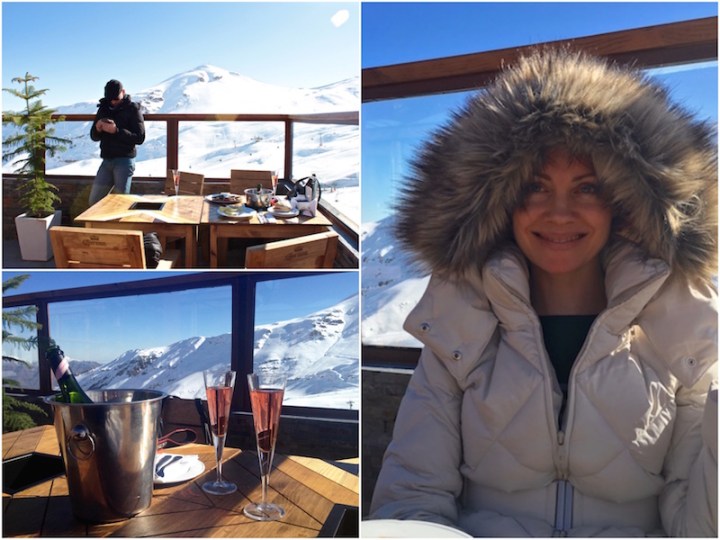
By late morning we had reached our destination, the ski resort Valle Nevado, where we enjoyed a leisurely four and a half hours to explore. We had promised ourselves a bottle of champagne for our birthday, so we made our way up the hill to a restaurant overlooking the ski field. There we had our pick of the tables and selected one outside in the full sun with the beautiful mountains as our backdrop. Time slowed right down in that deliciously lazy, holiday-at-last kind of way. The hours slid by and then, out of nowhere, I suddenly felt chilled to the bone. It was time to head back to the bus anyway so we bought large, steaming hot chocolates and defrosted in the heated lobby until it was time to board. On the drive back down the mountains the tour guide actively helped the driver to navigate the hairpin curves of the road. When we reached the bottom he congratulated us on making it safely down one of the world’s top 10 most treacherous roads.

birthday-bubbles-in-valle-nevado-andes-mountains-chile

birthday-boy-andes-mountains-santiago-de-chile-june-2016

My last significant birthday, of the mid-decade variety, was celebrated in steamy Bangkok at the tail end of a three-month trip around South-East Asia. Our wonderful day in the Andes Mountains had a different vibe but was equally memorable. I won’t forget the feel of dry, powdery snow or the stillness of the frozen landscape in a hurry. Best of all, thanks to the sun, fresh air and wine, that night I broke the back of my jet lag and slept solidly for nine hours.

Version 2

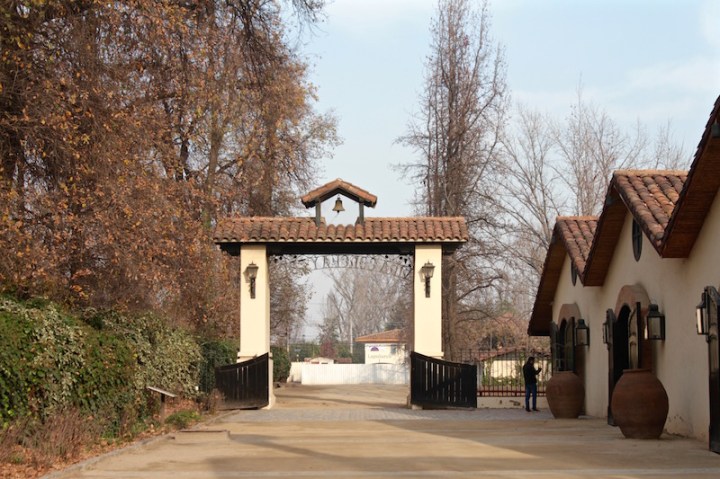
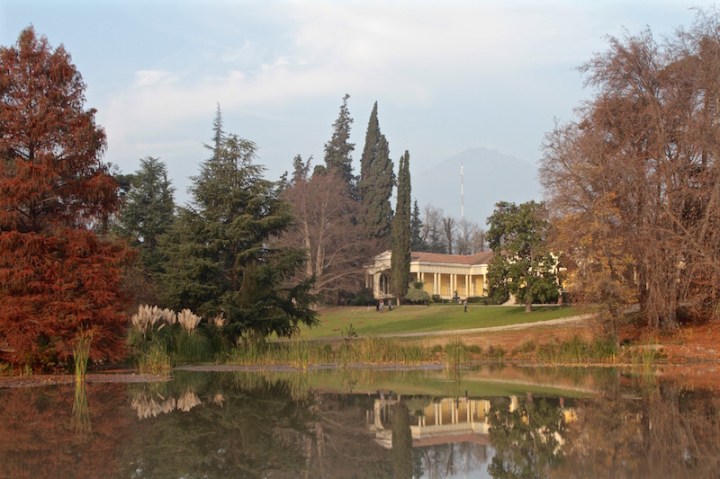
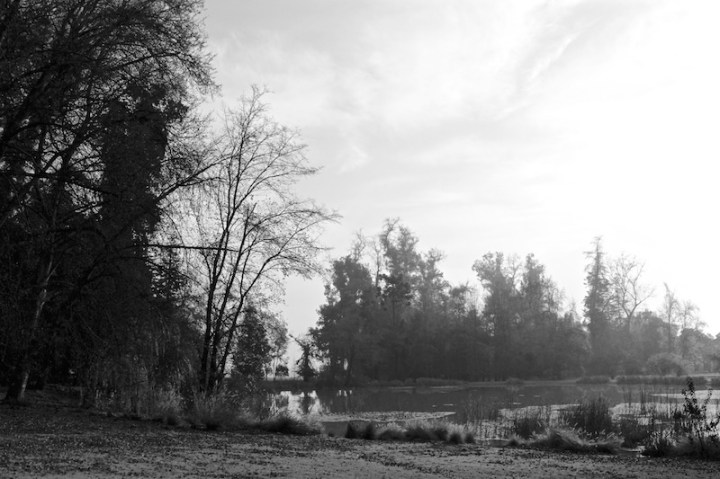
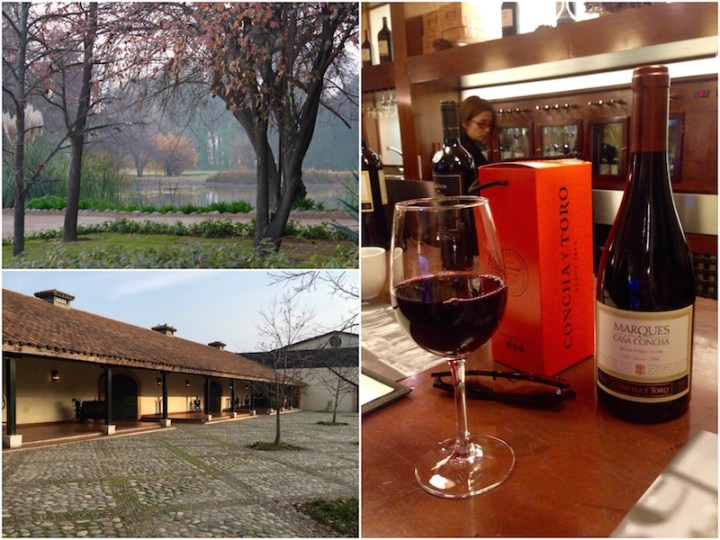
If you’re in any way interested in wine then no trip to Santiago would be complete without a winery tour. One of Chile’s main wine regions, the Maipo Valley, is located just to the south of the city. With limited time to explore, we elected to visit the Concha y Toro winery which is the largest producer of wine in South America. It might be a global conglomerate (Concha y Toro exports wine to over 140 countries) but on a softly-lit winter’s afternoon, the vineyard felt like a beautiful, rustic parkland.

concha-y-toro-winery-on-the-outskirts-of-santiago-do-chile

the-estate-house-of-the-concha-y-toro-family-santiago-de-chile

concha-y-toro-winery-at-dusk-monochrome

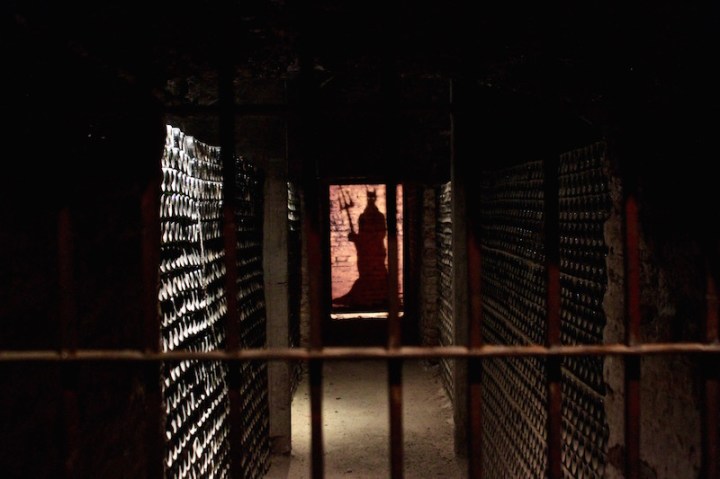
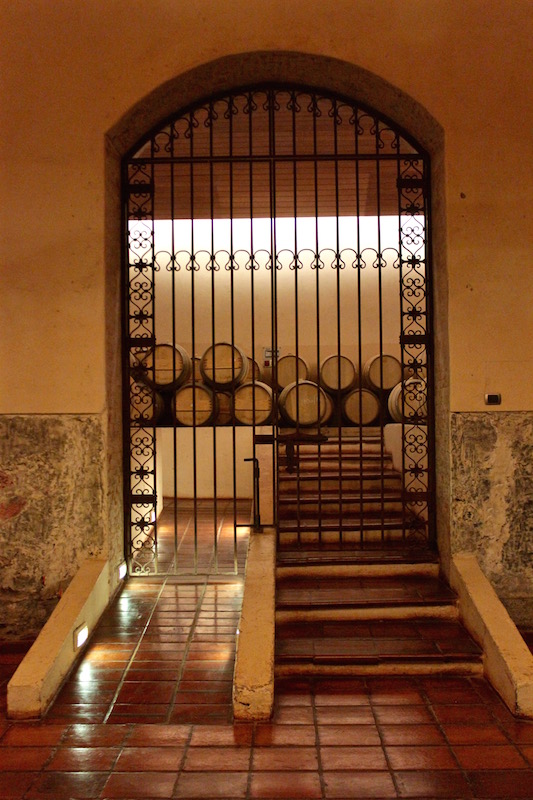
As the sun began to set over the vines we tasted a crisp Sauvignon Blanc before heading underground. The vineyard was founded in 1883 and wine production long outgrew the capacity of the ornate cellar. Although it is still used to store some special wines, the cellar is maintained for its character and historical value. We were treated to a a vivid representation of the story behind the Casillero del Diablo brand, created over 100 years ago when founder Don Melchor de Concha y Toro spread a rumour that his cellar was inhabited by the devil – a strategy which, as planned, protected his wines from theft.

the-legend-behind-casillero-del-diablo-concha-y-toro-winery

concha-y-toro-winery-close-to-santiago-chile

Emerging from the cellar we tasted two red wines, a 2014 Cabernet Sauvignon and a 2014 Carménère before settling into the adjoining bar for a cheese platter and a glass of delicious Pinot Noir. Back on the bus with the heating on, we settled in for a cozy 90 minute drive back to the city. It was rush hour by the time we arrived, and the bus crawled off the motorway, stuck in traffic. Suddenly a shower of glinting glass fragments appeared. Hooded figures had smashed the passenger windows of the two cars in front of us, reached in, pulled out bags and sprinted away into the dark. The tour guide and driver barely noticed; it happens, they said.

the-decorative-cellar-at-concha-y-toro-winery


comments 16

Roasted Rhubarb Compote + a few good reads

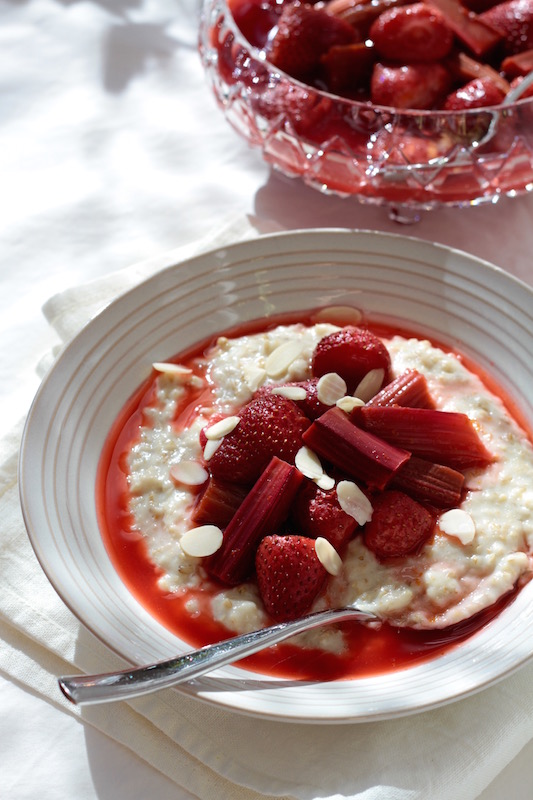
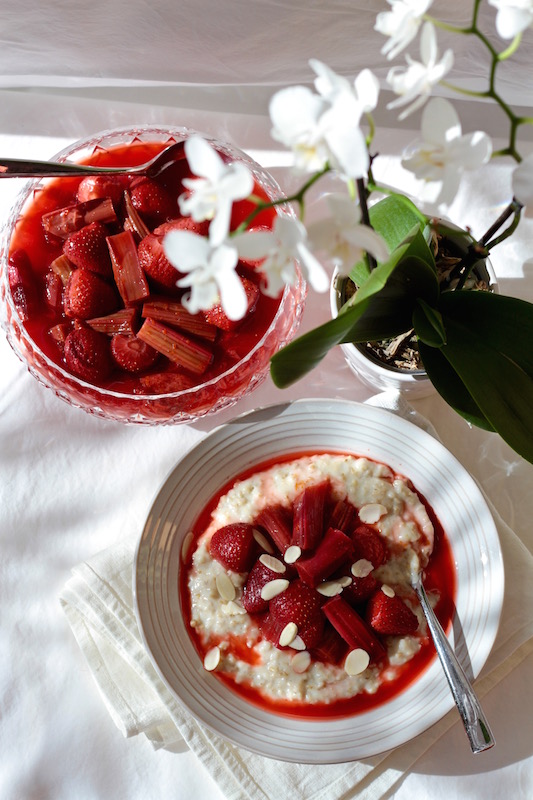
Food for spring - roasted rhubarb and strawberry compote served with oat porridge

It’s been the winter of soup for us. Most weekends have found me in the kitchen at some point, throwing vegetables into a large pot of boiling stock. No recipe most of the time, just faith in my knowledge of flavours and methods, and inspiration drawn from whatever odds and ends lurked in the fridge. One with chicken, fennel and barley was particularly good and I almost wrote up the recipe to share here. But all of a sudden it’s too late. Spring is officially here and I am officially over soup.

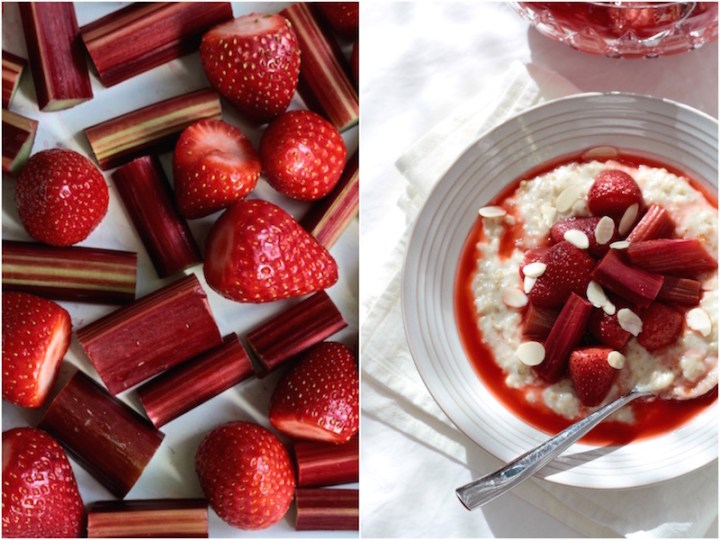
Just when I was also getting over mandarins and apples the markets became stocked with rhubarb and strawberries. I’m normally reluctant to eat rhubarb due to the excessive amount of sugar that it needs to become palatable, but roasting it with strawberries, a little honey and orange juice produces a delightfully fragrant, subtly sweet compote. The recipe comes from My Darling Lemon Thyme, a wonderful gluten-free food blog by New Zealander, Emma Galloway. I use Emma’s recipe as a guide really; one time using the spicy liquid left over from poaching pears in place of the honey and juice, and another time including cinnamon and a finely sliced apple that was getting old in the fruit bowl. In the photos I’ve paired it with oat porridge for breakfast, but my favourite way to eat it is with creamy coconut yoghurt. It would be fantastic used as the base for crumble.

Spring food - rhubarb and strawberries roasted in orange zest

I almost didn’t post this recipe because last weekend at the market there wasn’t a stalk of rhubarb to be found. However, I learned from Mum that, despite signs of spring in New Zealand, the rhubarb and strawberry season hadn’t yet begun. This recipe is therefore for friends, family and readers back home; Australians may have to wait another year. I’m always waiting for specific ingredients to come into season before trialling recipes. Northern hemisphere food blogs are deep into the tomatoes and peaches of summer when we’re slogging away with pumpkin and apples down under. I have hundreds of recipes bookmarked and these are a great repository of ideas, but there’s nothing like seeing a recipe, being griped by inspiration and having the ability to act immediately.

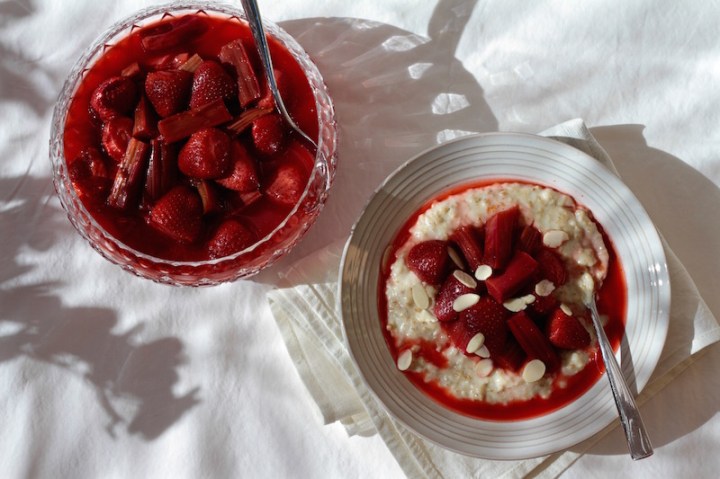
Spring food - Roasted Rhubarb & Strawberry Compote with oat porridge

Australian and New Zealand blogs make up a sizeable portion of my regular reads so fortunately for me, I can experience this frequently. I recently updated my Link page to organise my favourite reads geographically so this is a good place to start if you are looking for local blogs. If you have an interest in nutrition, as I do, then I recommend Apples Under My Bed (try Heidi’s tasty yet virtuous Banana, Fig & Walnut Bars) or the ever creative Sarah at Highgate Hill Kitchen (I love Sarah’s method for crispy lentils in this recipe). Lucy at Nourish Me doesn’t post very frequently these days, but her blog is still a major source of inspiration. I make her Red Lentil & Lime Soup and Quinoa Millet Pilaf several times a year. Food from Michelle’s Kitchen is another favourite (try the tasty Roasted Cauliflower & Za’atar Carrot Salad) and Wholefood Cooking is a new and welcome discovery. I have my eye on Jude’s Easter Fish Pie and Beetroot & Lentil Hummus.

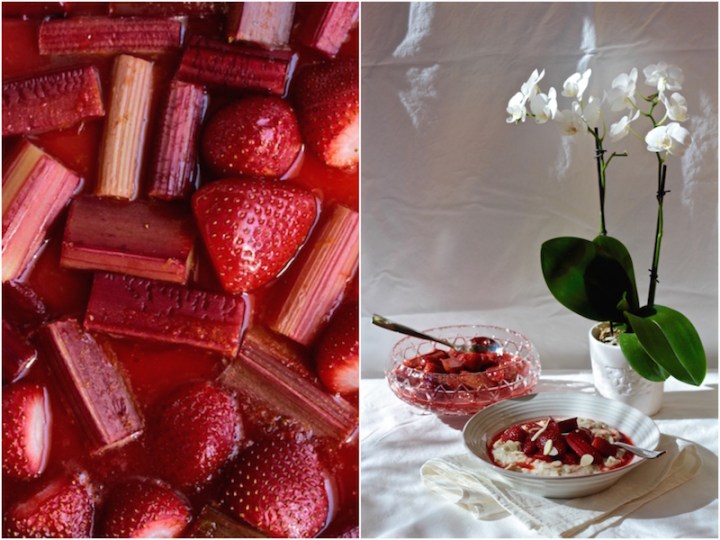
Rhubarb and strawberries after roasting - soft and juicy but still intact

My other favourite Australian and New Zealand food blogs may not be so explicitly focused on wholefoods but they are no less inspiring. Genie’s Bunny Eats Design is my go-to place for foodie news and fresh ideas and frequent appearances from Tofu the Rabbit keep things not-so-serious in a quintessentially-kiwi way. Foodwriter Lucy Corry blogs at The KitchenMaid and is a great source of recipes, both nostalgic (try her DIY Vogel’s Bread) and new (Black Doris Coconut Ice Cream). Sandra at Please Pass the Recipe brings a lifetime of cooking and travel to her interesting recipes, like the delicious-sounding Olive Oil & Fennel Seed Wafers. Finally, Stephanie’s The Dessert Spoon is a great blog for decadent desserts and cocktails such as the aptly-named, Brisbane Daiquiri.

Really, I could go on. There are so many creative people out there. Happy reading, happy cooking, and happy spring to all my friends, family and readers in Australia and New Zealand!

Roasted Rhubarb and Strawberry Compote for breakfast

Roasted Rhubarb & Strawberry Compote

Adapted from My Darling Lemon Thyme

250g rhubarb
250g punnet strawberries
zest and juice 1 orange
1/4 cup runny honey
1/4 tsp ground cinnamon

Preheat oven to 200°C / 395°F.

Wash the rhubarb and cut into 3cm lengths. Wash the strawberries, hull them and halve any large ones. Combine the fruit, orange zest and juice, cinnamon and honey in a medium bowl and stir to combine. Transfer to a large, flat ovenproof dish and spread out in a single layer.

Roast in the oven for 20-25 minutes or until the rhubarb is tender. Remove from the oven and cool slightly before serving over porridge. Alternatively, chill completely and serve with yoghurt (coconut or regular).

Filed under: Eat
comments 12

No More Innocent Blood | Santiago street art

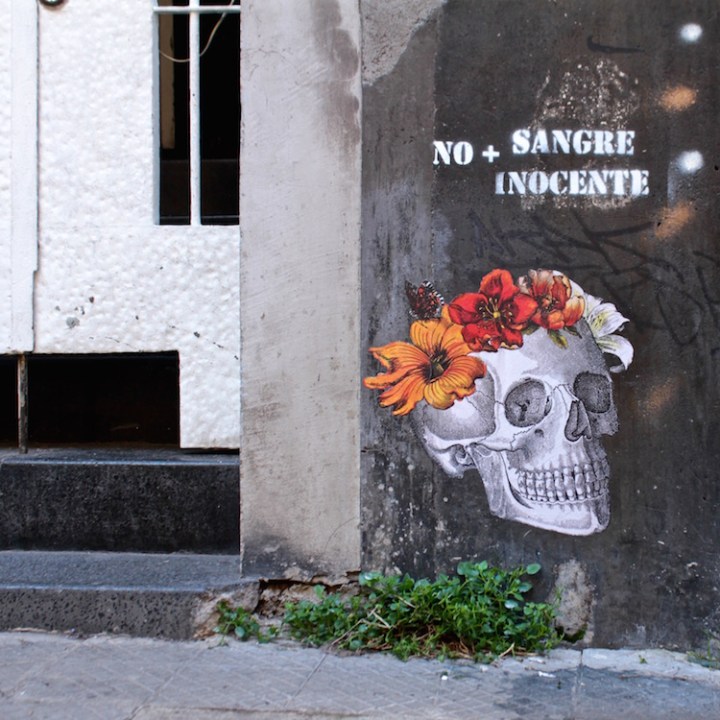
No more innocent blood - street collage, Santiago Chile

Above: Paste up in Lastarria, Santiago de Chile (artist unknown) “No More Innocent Blood”

Australia and New Zealand don’t have much of a street art culture. Some parts do (Melbourne is probably the street art capital of Australia), but it’s not something that you commonly see, possibly because our communities don’t have a clear understanding of street art as distinct from graffiti or tagging. In the cities we visited in South America it was clear that a vibrant street art scene helps to express the soul of a city and its people. Street art can be irreverent, subversive, political, mind-bending and disturbing – sometimes all at once. Street artists use their chosen medium to comment on or satirise society, to commemorate historical events, or simply to create beauty and colour in the urban landscape. It’s democratic, accessible and free to view at all times – an art form of and for the people.

Our interest in street art grew as we travelled. At our first stop in Santiago we weren’t looking for it and so we only photographed the art that we happened to chance upon. This is a shame, because I now know that Santiago is home to some incredible street art, particularly in the neighbourhood of San Miguel where local artists have worked to create an open air art museum. It is also possible to take tours of the local street art scene (by foot, by bicycle or by car) through this company. If only we had known! Still, I’m grateful for the little that we did see so that I can share our modest collection here. More street art will come when my blog posting catches up to Buenos Aires and Valparaíso. For general travel notes on our Santiago visit, click here.

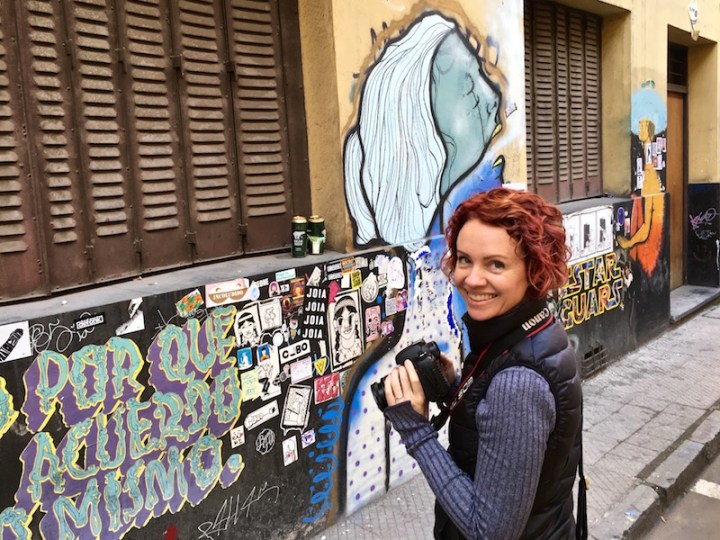
Note: I have attempted to identify and credit the artists for each piece but I was unable to identify most pieces. If anyone recognises a piece or notices a mistake, please let me know in the comments. Most photos are mine; a few are Colin’s. He used an iPhone 6 and I hate to say it, but I dare you to detect any difference from mine – taken with a Canon 7D, which weighs a tonne.

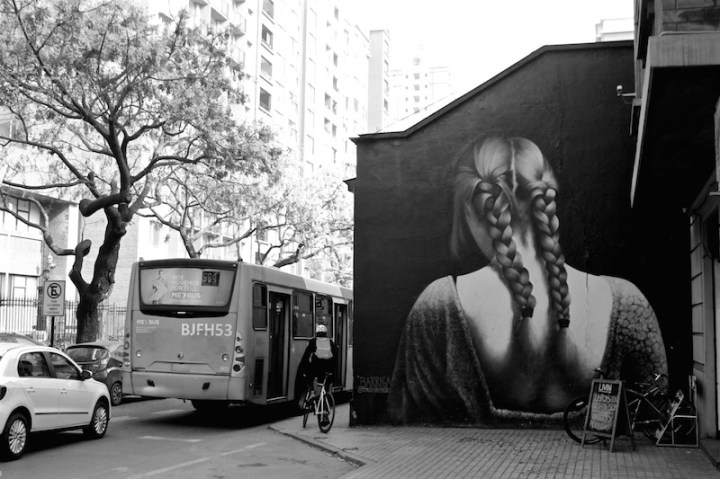
Girl with two plaits - street mural, Santiago Chile

Above: large mural by Javier Barriga Meersohn in Bellas Artes, titled “Ganza”.

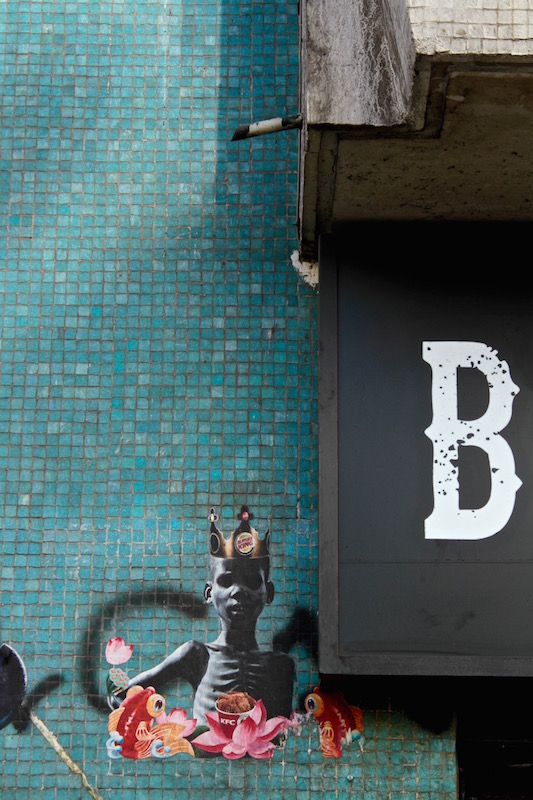
You are what you eat - street collage Santiago Chile

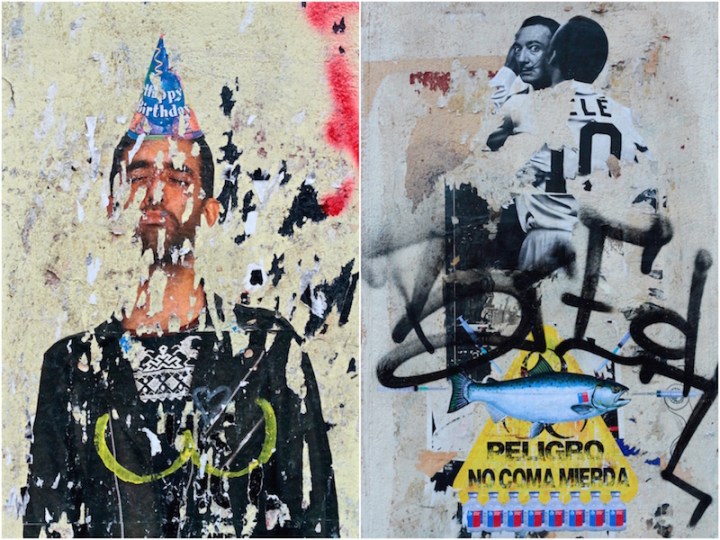
Around Lastarria the paste-up (like a collage) seemed to be the predominant stye of street art. These are usually small art works, and they decay much more quickly than painted murals, which adds to their charm. The art above and below are by Caiozzama (except for the one of Salvador embracing a football player, which is by Luis Bueno). The ghoul above is titled “The King” – a reference to Burger King and (presumably) the notion that ‘you are what you eat’. The salmon below is titled “Do Not Eat Shit”, and is a critique of the Chilean salmon industry. The sad birthday boy is titled “Without Facebook No Birthday”, although the Facebook reference wasn’t clear when we saw it due to the deterioration of the image.

Decaying paste-ups near Lastarria, Santiago Chile

Santiago street art June 2016

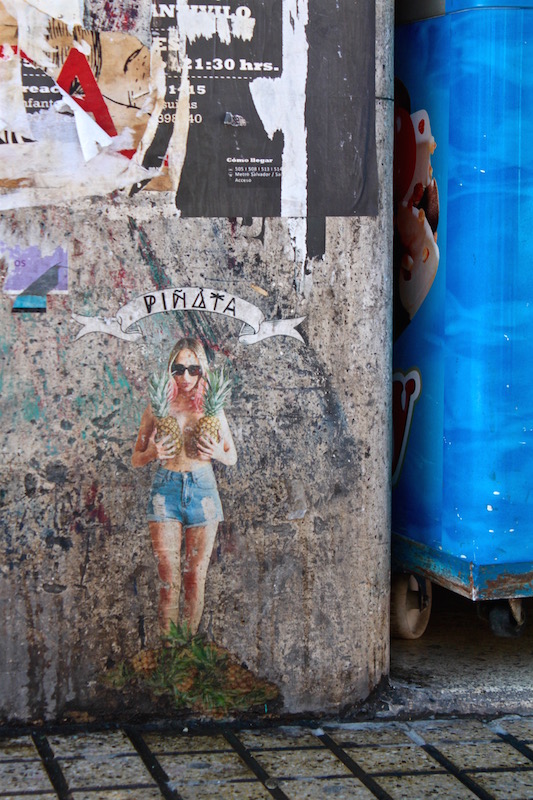
Pinata - collage Santiago Chile

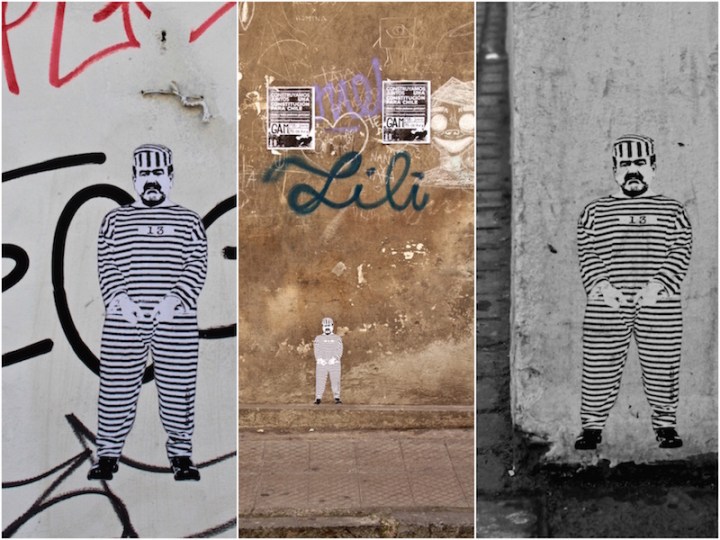
Convict 13 below is a paste up that I spotted three times in different parts of the central city. Titled “The Usual Suspects”, it is by the artist Phantte.

The Usual Suspects collage, Santiago de Chile

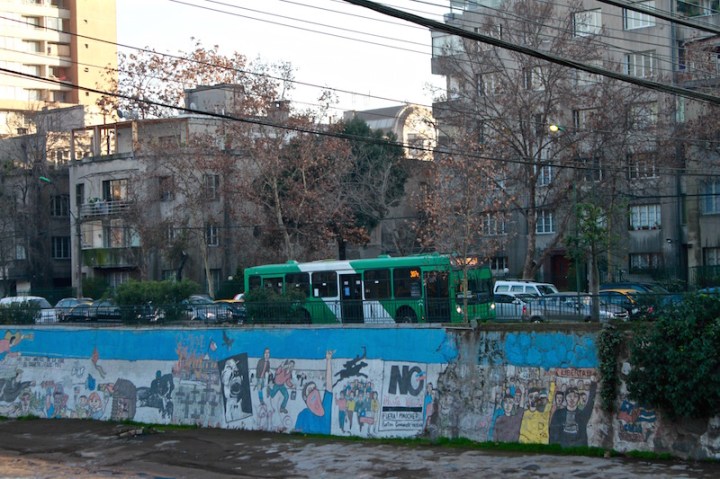
On our last morning in Santiago we walked over the Mapocho River to visit the bohemian suburb, Barrio Bellavista. The river runs through the centre of Santiago and there are murals along both sides of the canal as we discovered while on board a bus heading out of the city. The mural on this small segment of the depicts the 1973 coup led by the CIA-backed General Augusto Pinochet, which overthrew the democratically elected Marxist president, Salvadore Allende.

Political mural, Santiago Chile

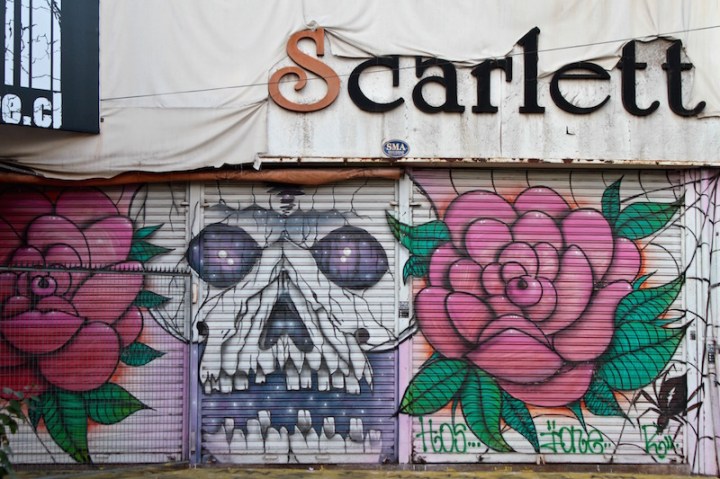
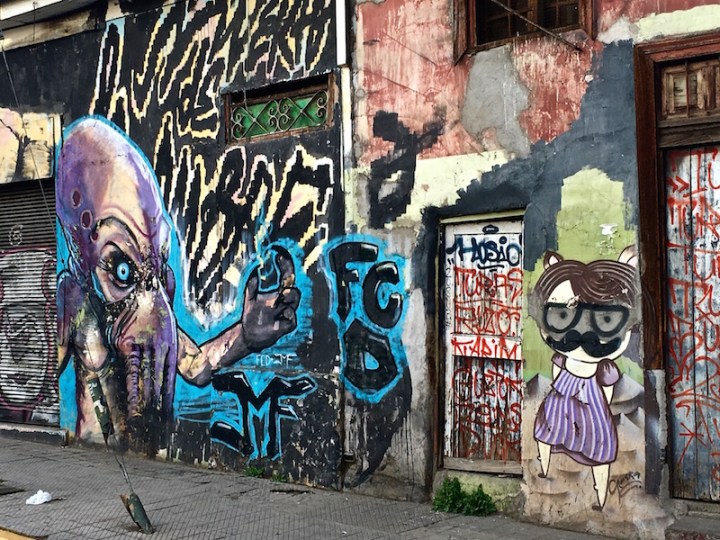
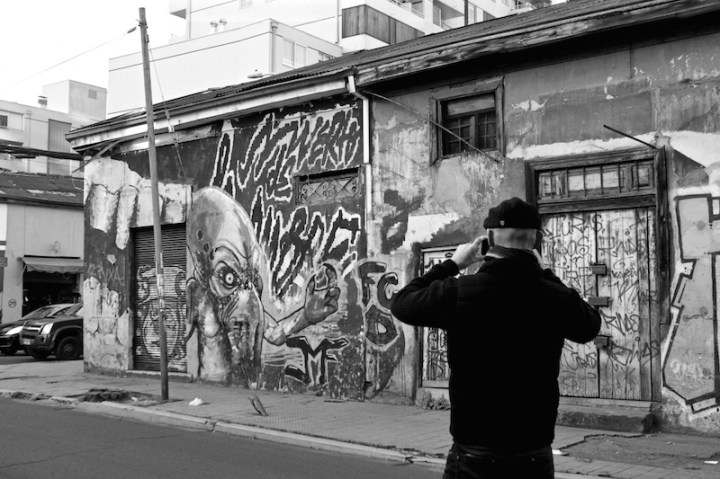
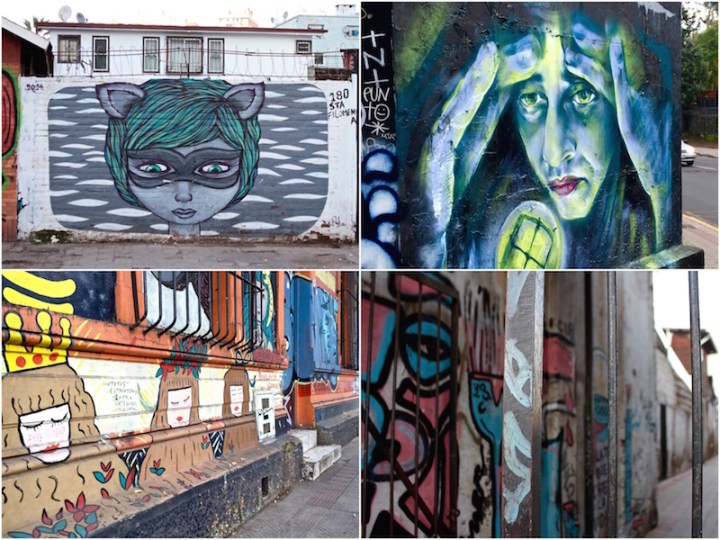
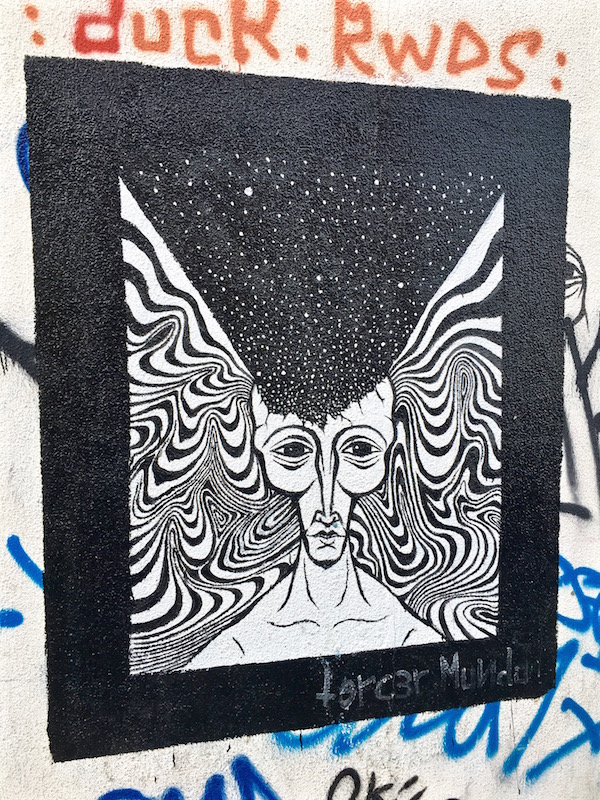
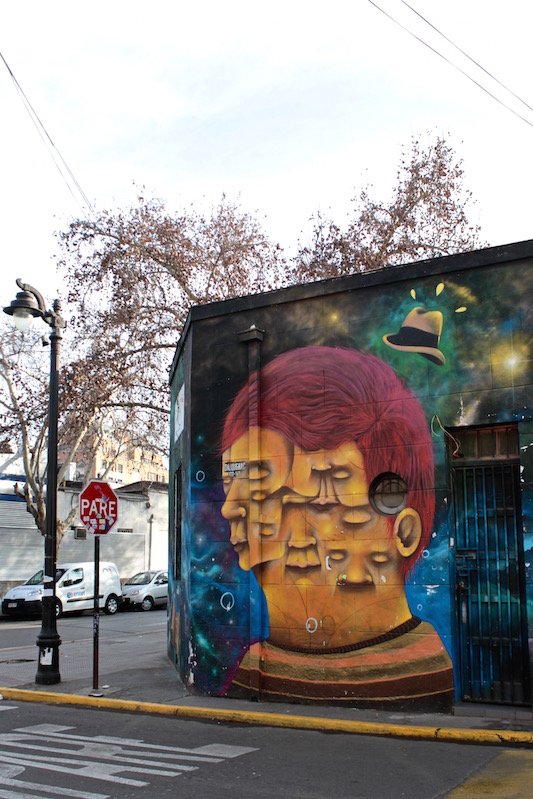
We arrived in Bellavista at about 8am when all of the shops and cafes were still shut. Although the streets were almost deserted, one advantage of being there so early was that the doors in front of each shop were still rolled down. If it had been later in the day we would have missed a multitude of colourful, retro artworks like the one below. Elsewhere in Bellavista we saw mural upon mural upon mural and spent a pleasant hour taking photos, wondering what the next bend in the street would reveal.

Skull and roses - street art, Bellavista, Santiago Chile

Aliens Attack - street art in Bellavista, Santiago Chile

Aliens Attack - street art, Bellavista, Santiago Chile

Bellavista street art, Santiago Chile

Black and White - street art in Bellavista, Santiago Chile

Russian Dolls - street art in Bellavista, Santiago de Chile

Something smells fishy - street art, Bellavista, Santiago Chile

Windswept - street mural in Bellavista, Santiago, Chile