comments 19

Finally, Cake | Persimmon, Walnuts & Whiskey

James Beard's recipe for Persimmon Bread

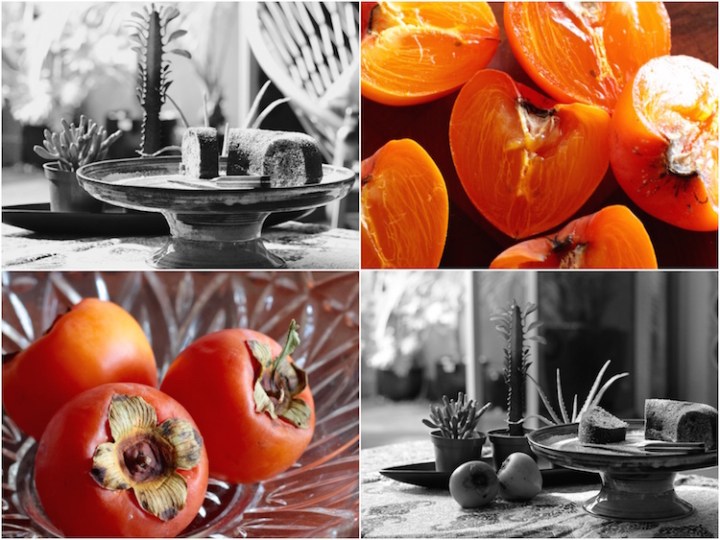
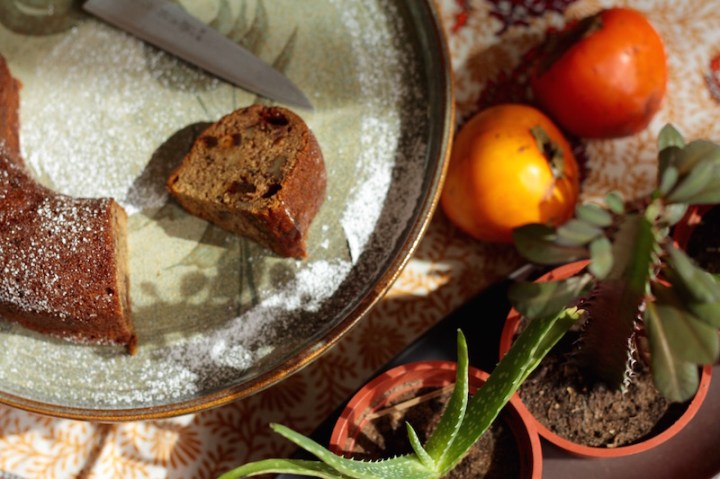
Finally, there is cake worth writing about. I’ve made six cakes in the last six weeks. Each of them disappointed in some way, but this one (rich with persimmon puree, laced with whiskey, studded with dates and walnuts), this is a Very Good Cake.

This is not a cake to be taken lightly. It’s not your typical sugary confection. For a start, it’s not covered in frothy icing (don’t even think about it) and its brown and nubbly interior isn’t exactly attractive. It’s not going to win #cakeoftheday for its looks, but it is completely above such frivolity anyway. It’s a seriously good cake and it deserves to be treated as such. In fact, even though I baked it in a cake tin, it’s not proper to call it “cake”. The recipe comes from the godfather of American cooking, James Beard, who called it Persimmon Bread. My grandmother would have called it Persimmon Loaf, and served it cut in thin slices lightly spread with butter (of course, Nana wins).
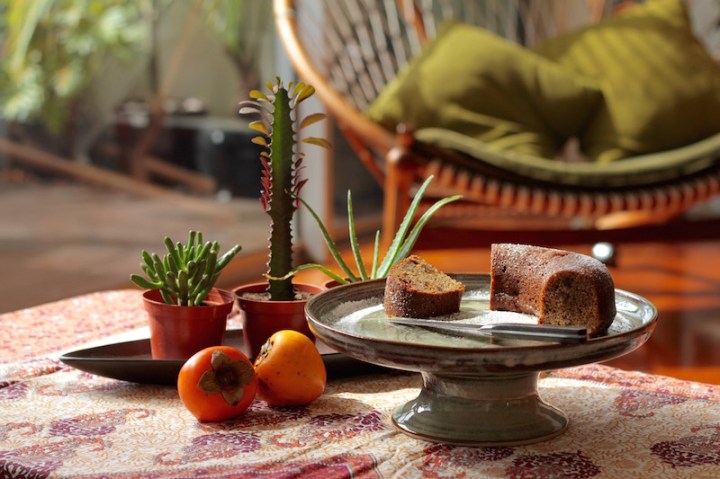
James Beard's recipe for Persimmon Bread

I’ve had the idea of persimmon cake in my head for the past couple of  years. Persimmons are a fruit that I have learned to love, baking them into crumbles with apples and ginger, adding them to salads or simply eating them in thin, raw slices. In Australia, it is the crisp fuyu variety that is readily available in shops, but that was always fine with me – a traumatic childhood encounter with a squishy soft hachiya persimmon had left me suspicious of hachiya. This silly prejudice was challenged when I spotted a recipe for Gâteaux aux Kakis (Persimmon Bread) on David Lebovitz’s blog; an adaptation of a recipe created by James Beard in his definitive 1973 text Beard on Bread. The pedigree of the recipe was enough to peak my interest, but when David lamented that the French, just like Americans, don’t know what to do with hachiya persimmon, I felt a little sorry for this poor misunderstood fruit. David waxed lyrical about its flavour and I sensed a Very Good Cake in the making.
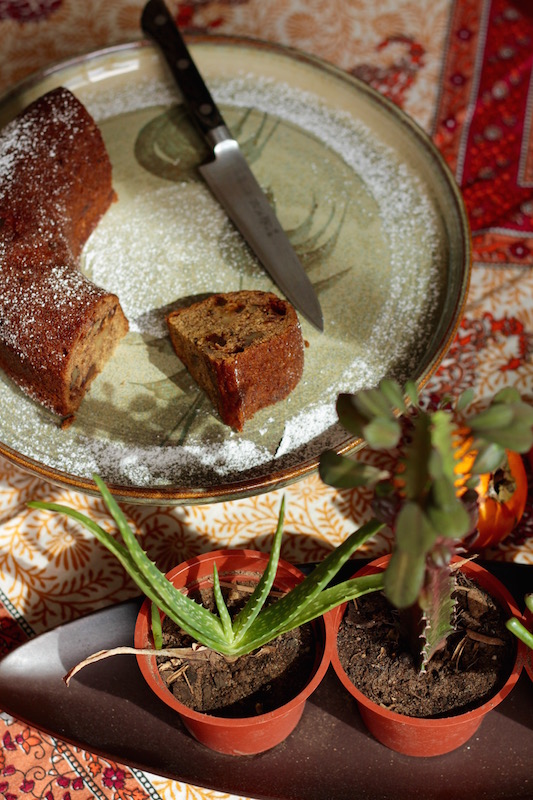
Persimmon Cake with Whiskey and Walnuts 6

It turns out that hachiya persimmons are quite difficult to track down. A few weeks ago I finally spotted their characteristically elongated shape at the market in an inconspicuous box labelled “Old Fashioned Persimmons”. They were dirt cheap, because clearly Australians don’t know what to do with them either. After purchasing three persimmons, I took them home to ripen. Hachiya persimmons must be eaten ripe. When under-ripe and firm, they taste horribly astringent but when fully ripe, their flesh turns to a sweet, silky jelly. Their colour deepens to a tomato-red, and they feel heavy and soft; says David: “like a water balloon about to burst” (don’t lose your nerve; just go with it). I discovered that hachiya persimmons dance to the tune of their own drum and a full two weeks later one of my three was finally ripe, one was almost ripe and the third was as hard as a rock. David and James’ recipe uses four ripe persimmons, so I was forced to find a different recipe which turned out to be boring and bland. This failure came hot on the heels of four weeks of cake-disasters, including an over-sweet plum cake and three attempts at a promising-but-not-delivering apple and lemon cake. I almost gave up this latest attempt at the Very Good Cake project but fortunately (for me and you) I tried again.
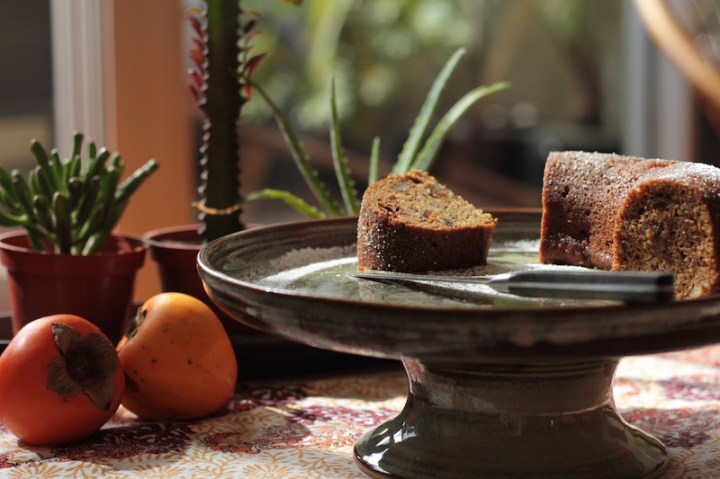
Persimmon Cake with Whiskey and Walnuts

The next time I bought persimmons I selected six. Four ripened almost immediately so we were in business. Beard’s recipe makes a surprisingly large quantity and is meant to be baked in two loaf tins. I only have one, so the remaining mixture went into a ringed cake tin which I tipped out, levelled off, flipped, and sprinkled with icing sugar for a quick dessert with friends. It was good, but nowhere near as good as the other one, baked in a loaf tin with the top deeply cracked and vaguely leathery in texture. I sliced my loaf and put it in the freezer, and two weeks later, morning tea at work is still the highlight of my day. Persimmon pulp freezes well too, and the fifth persimmon now sits in the freezer waiting to be joined by the sixth persimmon, which remains defiantly firm and inedible. This fruit might be freaky, fickle and hard to find, but please persist – it makes a loaf/bread/cake that is well worth writing about and even more worth eating.
Persimmon Cake with Whiskey and Walnuts

Persimmon Loaf with Whiskey & Walnuts

  • Servings: 2 loaf tins
  • Print
Very slightly adapted from David Lebovitz via James Beard

3 1/2 cups flour
1 1/2 tsp salt
2 tsp baking soda
1 tsp ground nutmeg
2 cups sugar
1 cup unsalted butter, melted and cooled to room temperature
4 large eggs, lightly beaten
2/3 cup whiskey (bourbon or brandy can also be used, but I haven’t tried these)
2 cups persimmon puree (from about 4 ripe hachiya persimmons)
2 cups walnuts, lightly toasted and roughly chopped
2 cups dates, roughly chopped

Butter 2 loaf tins (or small round or ring cake tins) and line the bottoms with baking paper. Preheat the oven to180ºC / 350ºF.

First prepare the wet ingredients. Scrape the persimmon puree into a medium bowl and blitz with a stick blender to make a uniform puree (or leave it as is – it really doesn’t seem to make a difference). To the same bowl, add the whisky, melted and cooled butter, and lightly beaten eggs. Stir to combine.

Sift the flour, salt, baking soda and nutmeg into a large bowl (use your largest as the recipe makes  large quantity, and you will need room to stir). Add the sugar and whisk together with the other dry ingredients to combine.

Make a well in the centre of the flour and pour in the wet ingredients along with the chopped dates and walnuts. Stir together until fully combined. Do not over mix. Pour into the prepared tins and bake for approximately one hour, or until a skewer inserted into the centre comes out clean.
Filed under: Eat
comments 5

Far North | Dec 2015

Rural New Zealand - Far North region

I‘ve written about where I grew up several times in the past few years. I’ve described the rural Far North of New Zealand in terms of my family home (Journey north), in terms of the region I identify as home (Where I’m from) and in terms of my national identity (My home is green and gold).

These posts represent several attempts to remember, understand and pay tribute to my roots from my current perspective as an ex-pat living “across the ditch” (i.e. the Tasman Sea, which separates New Zealand from Australia). I don’t really have anything new to add to what I’ve already said. These days I’m aware that the feeling of displacement is gradually sinking into the background of my day-to-day life. It’s been nearly five years and I’m comfortable here, it’s true. Yet it only takes one deep lungful of sweet kiwi air to remind me of where I am supposed to be.

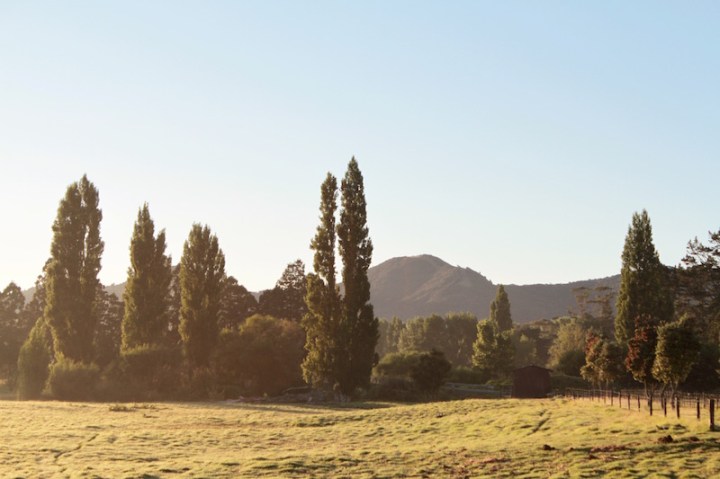
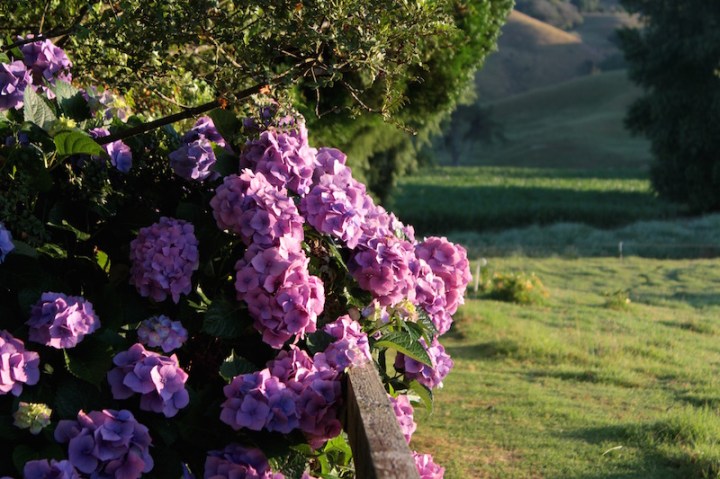
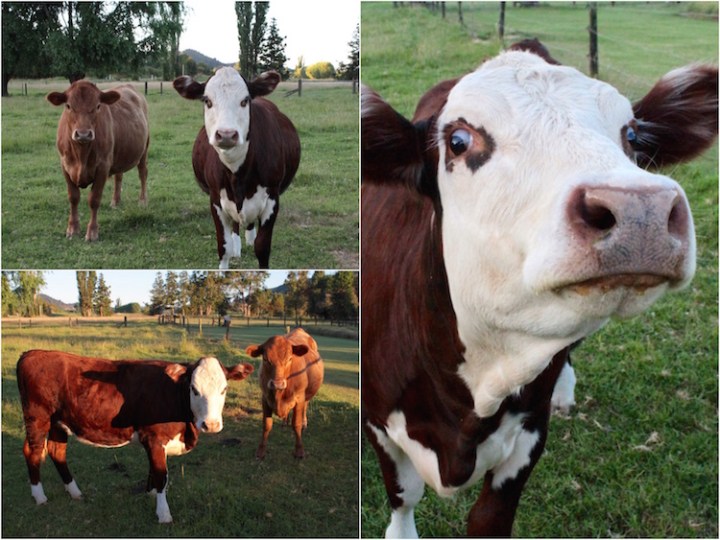
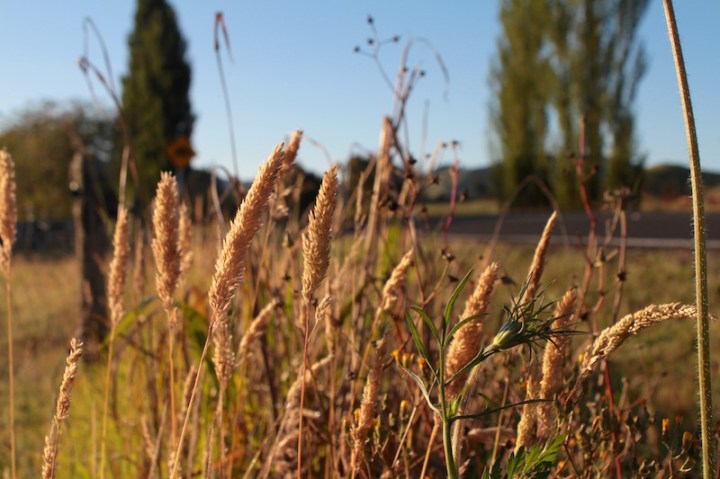
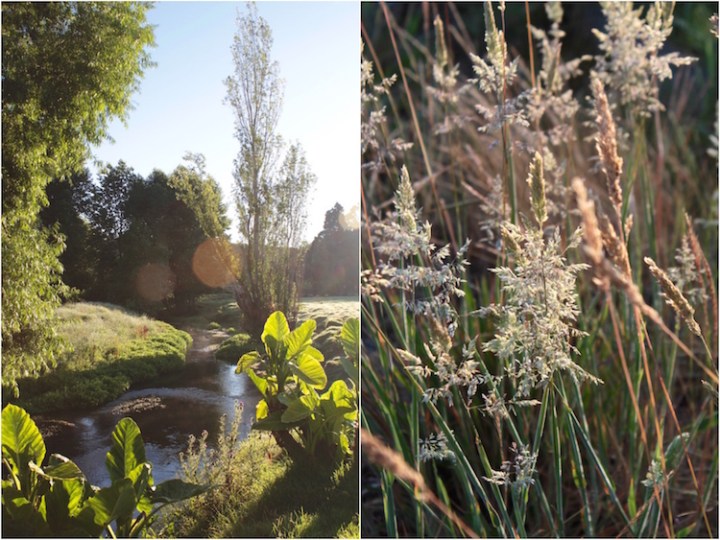
At home, I am less likely to take photos that I’m unhappy with – I’m not sure why. Maybe my camera works better in the softer light. Maybe my memories fill in the imperfections. Maybe it’s just so achingly beautiful that all I need to do is frame and shoot. One morning when we were home for Christmas last December I struggled out of bed early (still a bit jet-lagged) and wandered about with my camera. The dawn was clear and golden. The river moved slowly. The air was still and the animals were curious. No one else was up. It was a perfect hour and mine alone.

Early morning sun floods the paddock with a golden haze

Mum's garden, overlooking the river and paddock

Hand-reared cows looking for some company, Far North New Zealand

Grass by the road side

Far North New Zealand December 2015

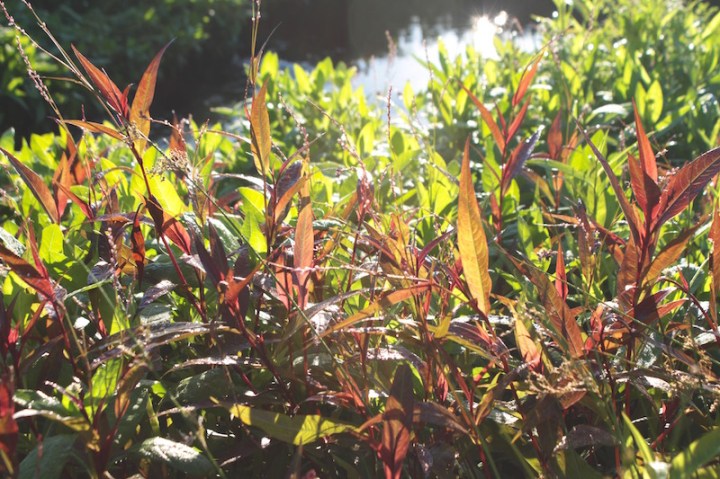
Ruby and emerald plants by the river, Far North New Zealand

Far North New Zealand December 2015

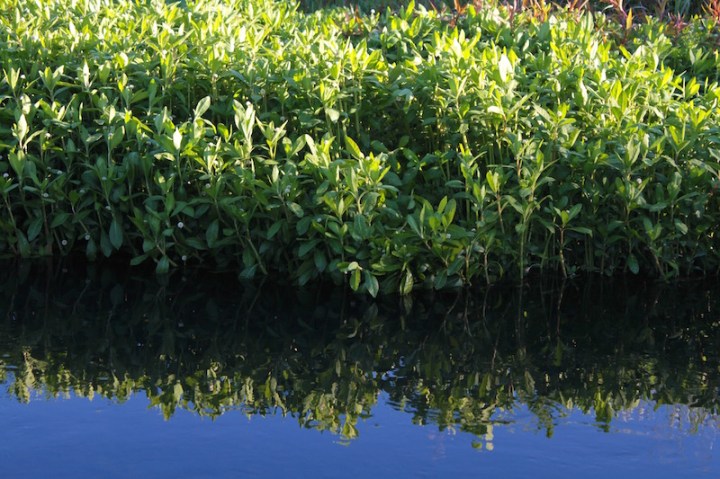
River weed lining the swimming hole, Far North New Zealand

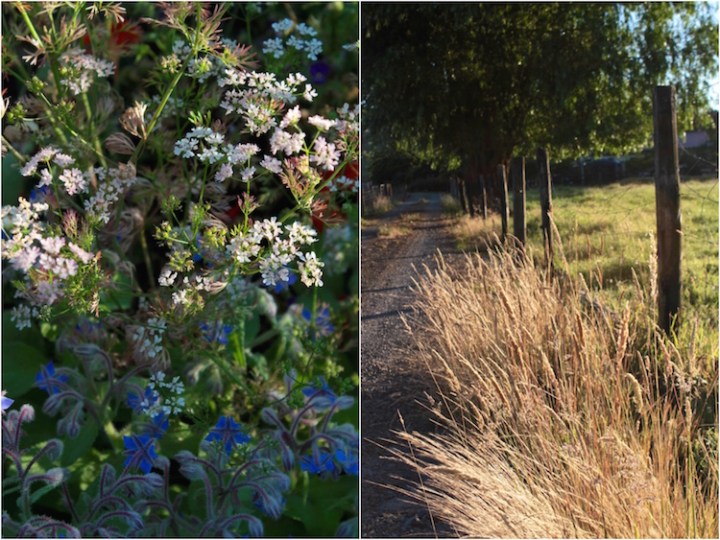
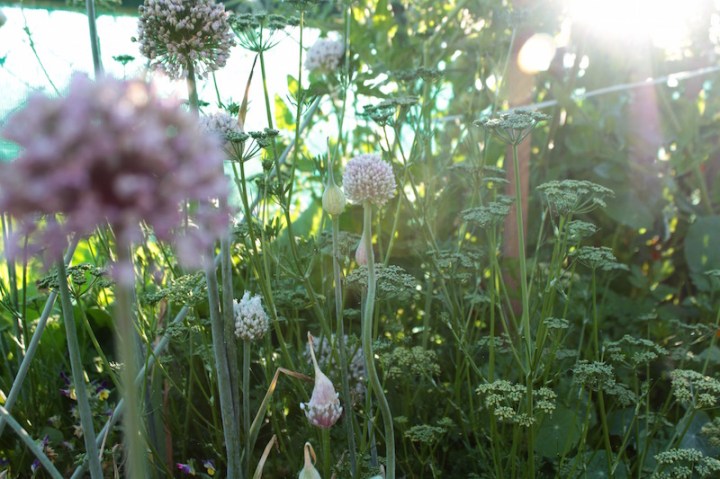
Gone to seed, onions and parsley, Far North New Zealand

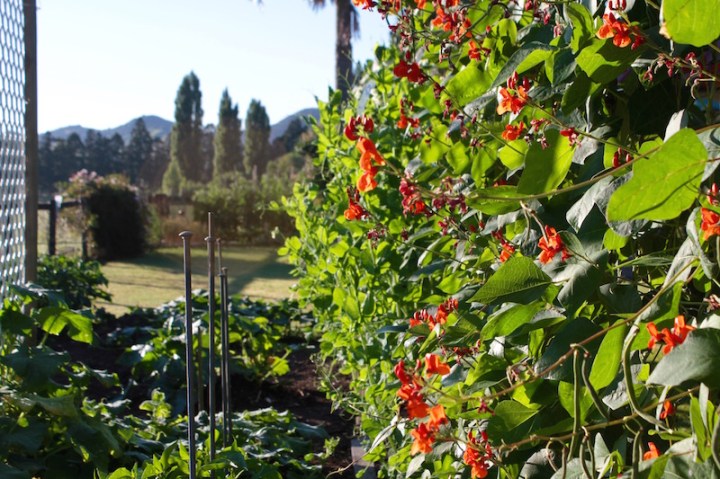
Scarlet runner beans in Mum's garden, Far North New Zealand

comments 32

Elevate your Gin & Tonic (Homemade Tonic Syrup)

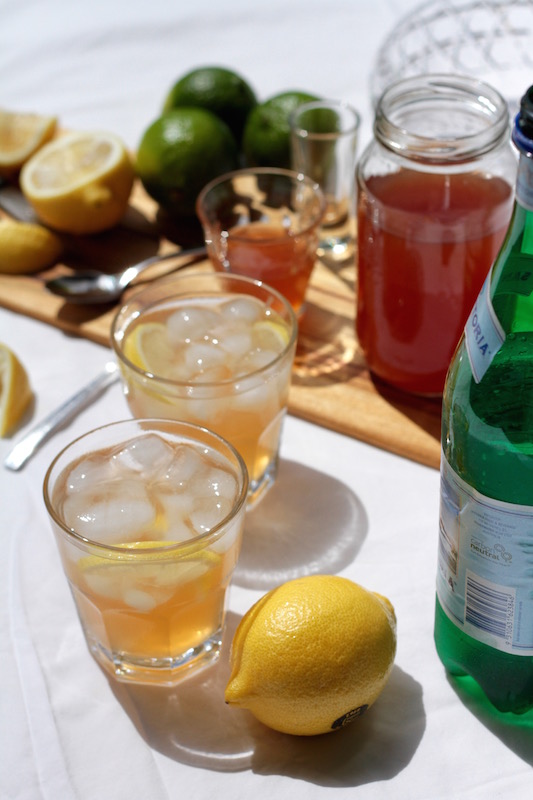
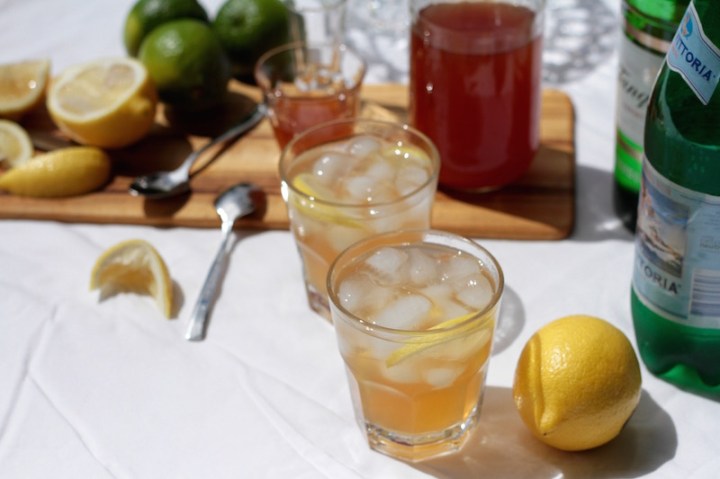
Gin and tonic - with homemade tonic syrup

Gin & Tonic is the perfect summer cocktail. I like mine with plenty of ice, a good squeeze of lemon, and please, only homemade tonic syrup will do.

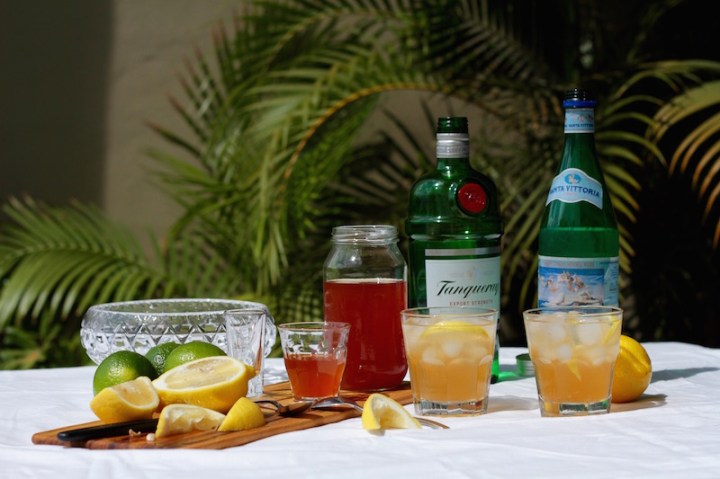
A summery gin and tonic station

I’m not always such a snob (or maybe I am?) but now that I’ve made my own tonic syrup, good old Schweppes Indian Tonic Water just doesn’t rate. Schweppes served me well for years and years, but my newly sophisticated tastebuds find it overly sweet and one-dimensional, and its faint bluish tinge creeps me out (even though this is legitimate since quinine is highly sensitive to ultraviolet light). In contrast, homemade tonic syrup is soft and nuanced and coloured a deep rusty-orange. It’s delicious enough to drink on its own with soda, but when mixed with gin the complex botanicals intensify in flavour. In one sip you will taste lavender and lime, and in another, grapefruit and lemongrass. There is no return from this.

Making homemade tonic syrup

I first stumbled across the notion of homemade tonic syrup while reading the wonderful blog Lottie & Doof a few years ago. In a somewhat self-conscious post, Tim admitted that brewing his own tonic took him to a whole new level of kitchen geekiness. Fortunately, I have a soft spot for geeks, being one myself, and Gin & Tonic is my all time favourite cocktail. Tim’s post was dutifully bookmarked…then time went by and I forgot all about the recipe.

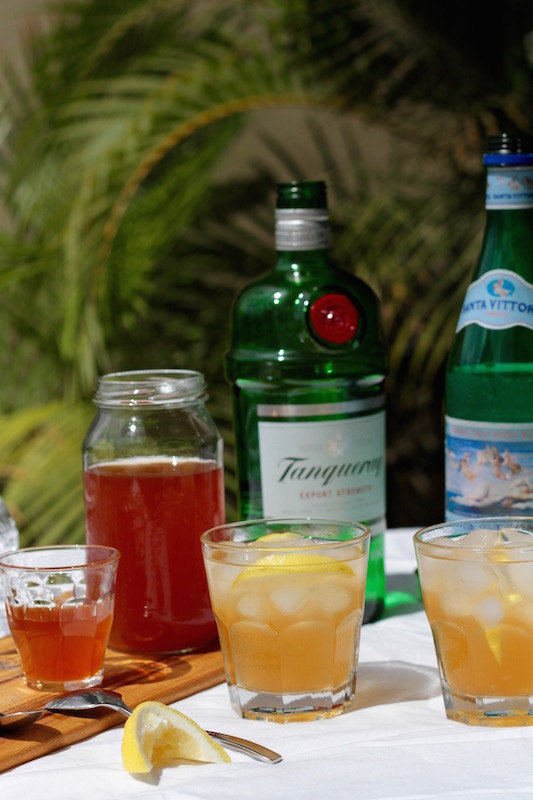
Gin and Tonic is elevated beyond the ordinary by using a home-brewed tonic syrup, made with lavender, lemongrass and lime

A few months ago I was at a market and spotted a stand selling bottles of small-batch tonic syrup. I bought some and it was as delicious as they promised – wonderfully soft and fragrant, with less sweetness than commercial tonic. However, it tasted very strongly of lime. I felt like I was drinking Lemon, Lime & Bitters not Gin & Tonic, and remembering Tim’s post, I resolved to finally try my hand at the recipe. Time’s have changed since Tim wrote about homemade tonic. Bars don’t employ bartenders anymore; it’s all about mixology and making your own syrups and bitters to use in unique, customised cocktails. Tim didn’t realise how cool he was back in 2012.

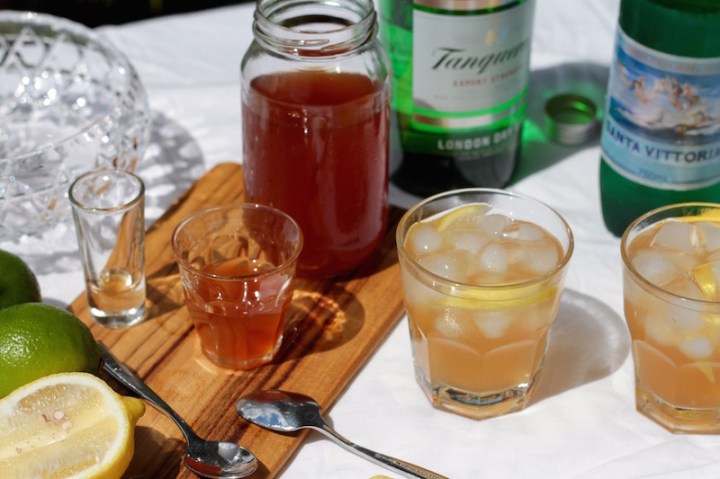
Gin and homemade tonic syrup

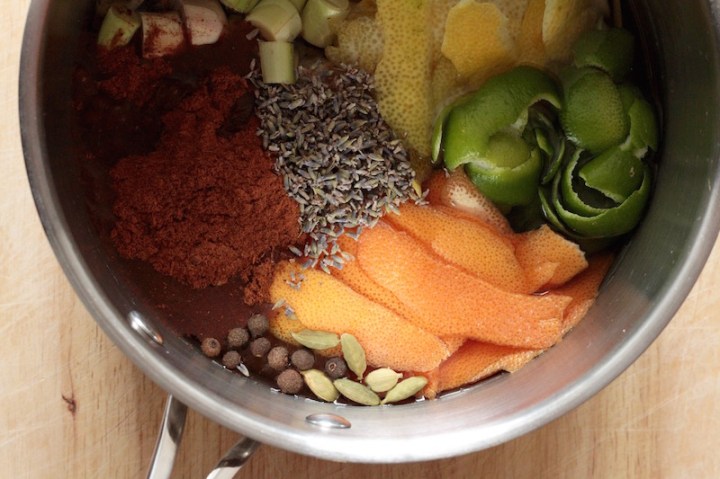
To make your own tonic syrup you first need to track down a supply of cinchona bark, which contains quinine and gives tonic its characteristically bitter flavour. It’s not easy to get hold of, but I ordered mine online from this Australian company which ships internationally. Once you have it, it’s a fairly simple matter of combining a range of botanicals with water, simmering it briefly, then leaving it to infuse for a couple of days before straining, letting it sit for another two days and finally mixing it with sugar syrup. OK, ok, so it will take you days to make this (four, to be exact), but I promise that it’s worth it. The recipe given below makes a large amount which is plenty for drinks all summer long and equally wonderful gifted in small bottles to friends.

Gin with homemade tonic syrup - summer in a glass

The recipe below is my tweaked version of the original. I found my first batch to be a little sweet and the lavender a touch too dominant. In subsequent batches I have experimented with reducing the sugar and moderating the lavender with other spices, such as coriander seeds. The beauty of making your own tonic is that you can adjust it as you like. For my next batch, I plan on trialling a more wintery version, replacing the lime with orange zest and using coriander seeds, cinnamon sticks and black peppercorns in place of the lavender. A word of caution: quinine can be toxic in high doses so it is advisable to do your homework, treat the cinchona bark with respect and measure it carefully. The risk is heightened if the syrup isn’t strained properly and fine bits of bark remain in the liquid. To mitigate this, I use the whole bark (rather than buying a pre-milled powder) and take care to strain it thoroughly – full instructions are given in the recipe below.

Homemade Tonic Syrup

  • Servings: makes 5-6 cups
  • Print
Adapted from Lottie + Doof (originally via Tony Cecchini and the NYTimes)

For the infusion:
4 cups water
1/4 cup cinchona bark (see below for instructions for grinding)
1/4 cup citric acid
3 limes, zest only
3 lemons, zest only
1 grapefruit, zest only
1 cup chopped lemongrass (3-4 stalks)
9 whole allspice berries, lightly crushed
6 whole cardamom pods, lightly crushed
1/4 tsp salt
1/2 to 1 Tbsp lavender (optional, or substitute 1 Tbsp coriander seeds)

For the simple syrup:
2-3 cups sugar
1-1.5 cups boiling water

To grind the cinchona, blitz it in a spice grinder just until it is broken into small pieces. Following this, sieve the bark to remove any fine particles before measuring out 1/4 cup and adding it to the pot.

Place all other ingredients for the infusion into a medium saucepan, cover with a lid and bring to the boil over medium-high heat. Reduce the heat to low and simmer for 30 minutes. Take the pan off the heat and leave to cool completely.

Once the infusion is cool, transfer the liquid and all of the solids to a large jar or jug. Cover and stash in the fridge to macerate for two days. Strain the liquid through several layers of fine cheesecloth set over a bowl to remove the solids.  A little gentle squeezing is fine to help release the fluid from the solids. Pour the strained liquid back into the jar or carafe and place it back in the fridge for another two days. During this time a fine sediment may settle at the bottom. After two days, pour off the liquid at the top into a clean vessel, ensuring that none of the sediment escapes. If you wish, you can strain the liquid again through coffee filters, but provided that you didn’t grind the bark too finely to begin with, you shouldn’t need this extra step.

Measure the infusion so that you know how much rich simple syrup you need to make. You should have around 2.5 to 3 cups of infusion. Both Tim and Tony advise adding an equal amount of rich simple syrup, but I find this too sweet for my taste. The last time I made it I had 2.75 cups of liquid and I combined this with 2.25 cups of rich simple syrup and the sweetness was just right for me. It doesn’t hurt to try the smaller amount of simple syrup as you can always add more later.

Making the simple syrup takes a little guess work. The ratio is two parts sugar to one part boiling water, stirred to dissolve the sugar, but the actual quantities you need will depend on how much infusion you end up with. Start with the smaller amounts of sugar and water provided in the ingredient list above and make more simple syrup if you need it. This is less tedious than you might think.

Store your tonic syrup in the fridge where it should keep well for at least six weeks, if not more. To make a Gin & Tonic, measure equal quantities of gin and tonic syrup into a glass filled with ice. Add a squeeze of lemon and top up with soda water or sparkling mineral water. Taste the drink and adjust the proportions if required.

Filed under: Eat
comments 10

Matakana Coast

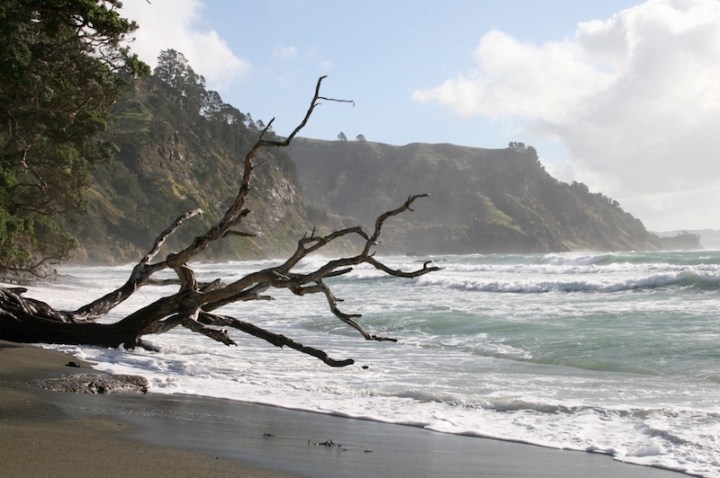
Goat Island Beach, Matakana Coast, winter 2009

Matakana Coast is a beautiful part of New Zealand. It was a favourite weekend getaway when we lived in Auckland because it was so easy – just pile into the car, take a short drive to the north, turn east at Warkworth and then take your pick of wineries, beaches, regional parks, marine reserves, cafes, art, sculpture, live music, diving and fishing. I would love to live in that little slice of paradise one day.

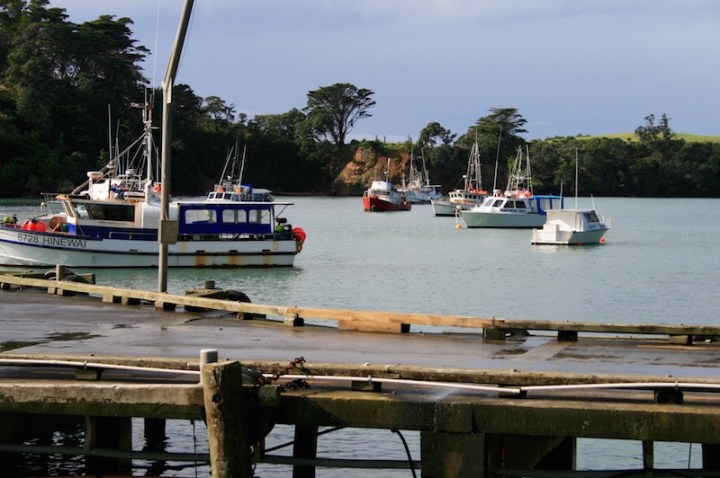
Leigh Wharf, Matakana Coast New Zealand

I have so many Matakana Coast memories. There was that time that we took a spur of the moment holiday, revelling in five days of swimming and diving at the marine reserve. Our holiday snaps are under-exposed and blurry (this was my pre-DSLR days), but full of wildflowers, candles, silly poses in our flippers and dents in our faces from too-tight diving masks. Steve Irwin had recently been killed by a sting ray when diving, and I remember how our hearts leaped each time a baby ray loomed out of the dark waters.

Morning light, Goat Island Marine Reserve, Matakana Coast New Zealand

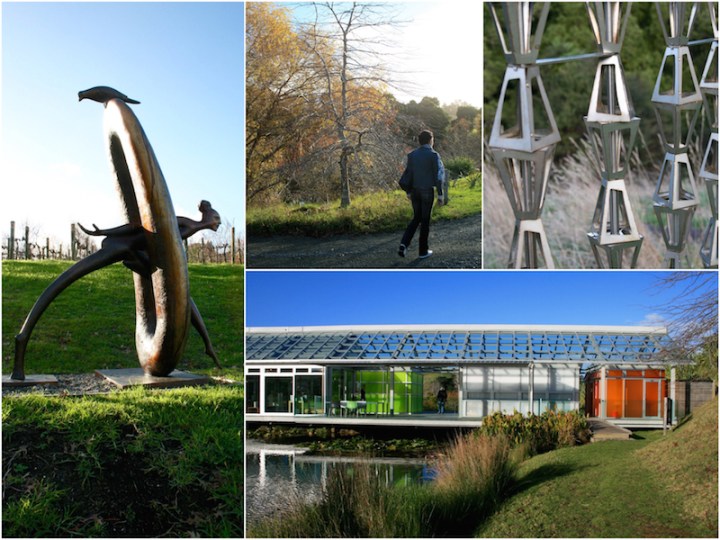
Another time we took the day off work to celebrate our birthday’s and spent the day on the coast with my sister. It was a crisp and mild winter’s day and we had Amy’s homemade birthday cake in the car, explored Matakana village and ate wood-fired pizza in Leigh. In the late afternoon we made a final stop to explore the Brick Bay Sculpture Trail. As the sun dipped towards the horizon we drank a final glass of wine, stretching out the last moments of a perfect day. 

Brick Bay Winery and Sculpture Trail

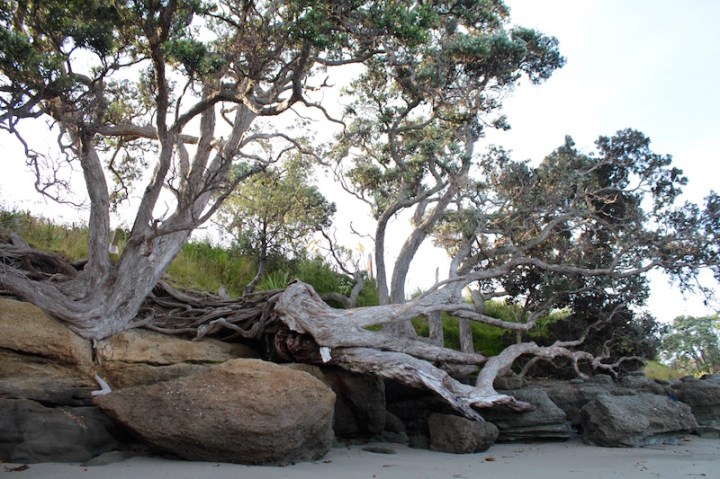
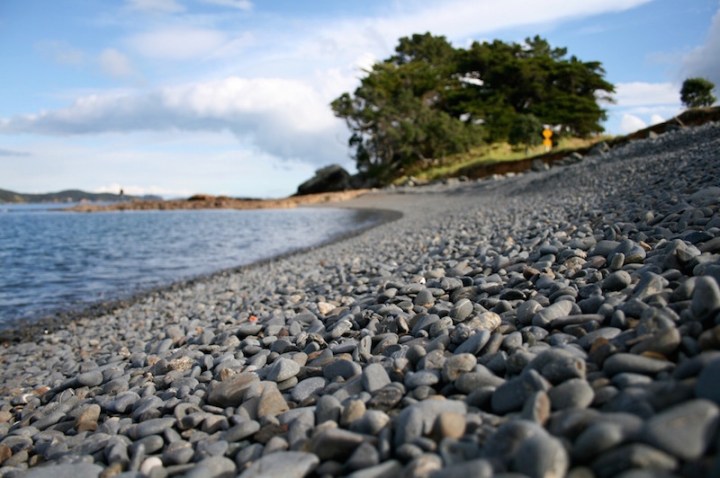
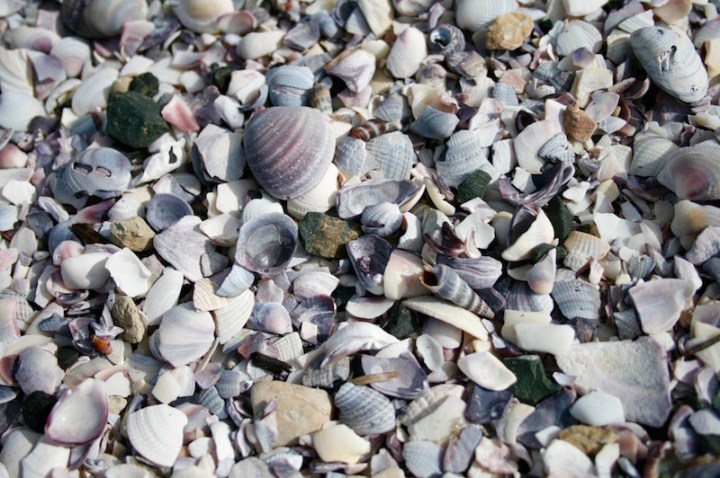
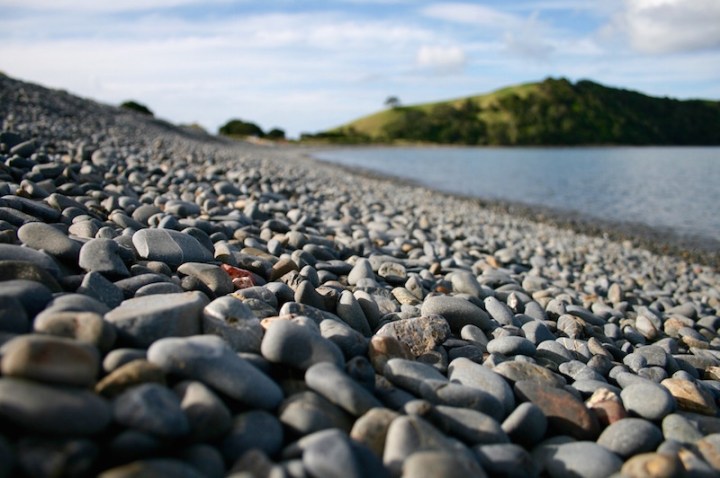
Yet another time, with weary bodies and heavy hearts, we took a brief mid-week escape in search of something vaguely other. We sat on a white bench at Snells Beach, gazing out to Kawau Island and the lilac shells strewing the foreshore. At Goat Island the waves were whipped and frothing and at stunning Tawharanui Regional Park we found a calm, concave bay lined with stones. Not much was said as the salty air did its work.

Tawharanui Regional Park, Matakana Coast New ZealandLilac shells at Snells Beach, Matakana Coast New ZealandTawharanui Regional Park, Matakana Coast NZ

It had been six years since we’d visited the Matakana Coast, but when we were home for Christmas in December we decided that a brief interlude was just what we needed. Returning to beloved places always feels like some sort of homecoming, and we took our time driving, drinking in the golden hills and the pristine waters of Whangateau, just metres from the road.

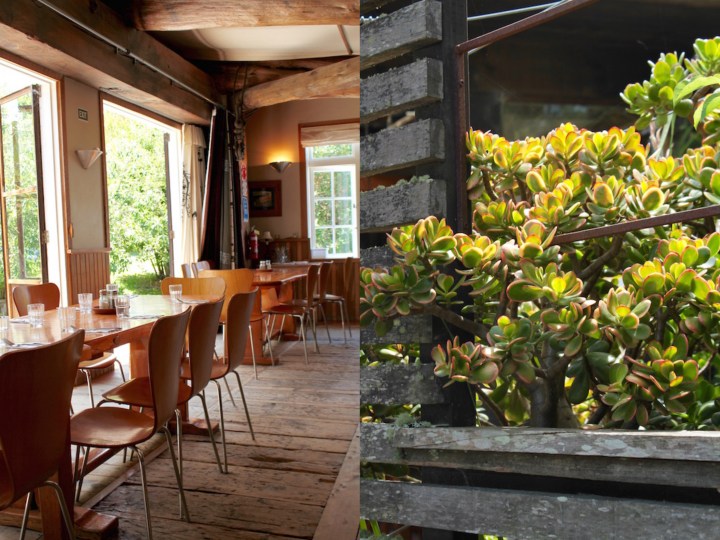
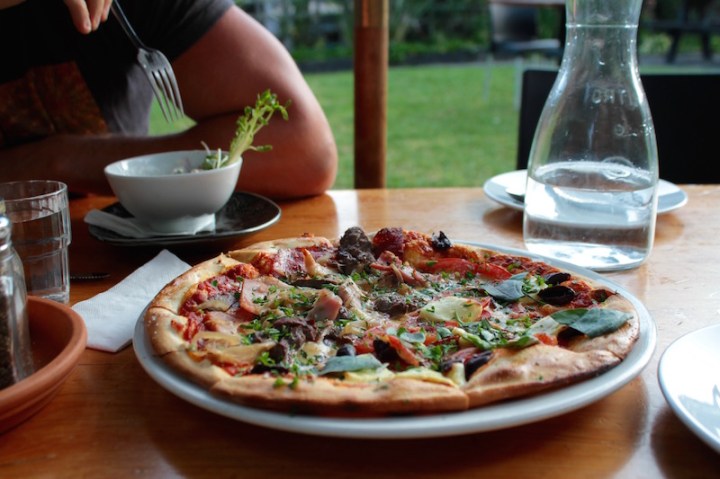
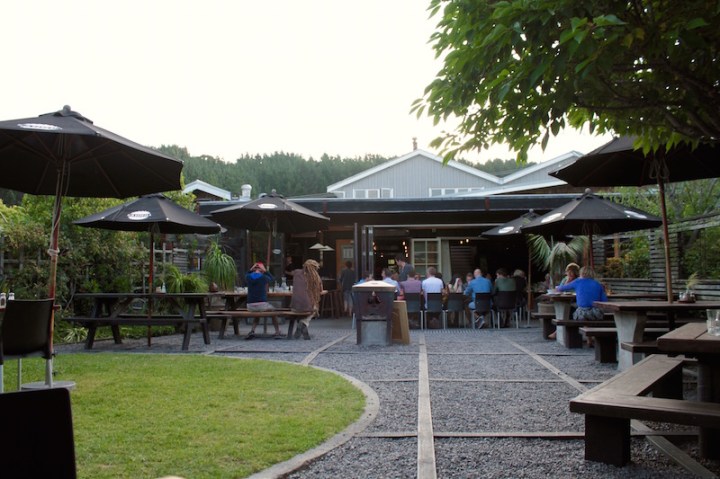
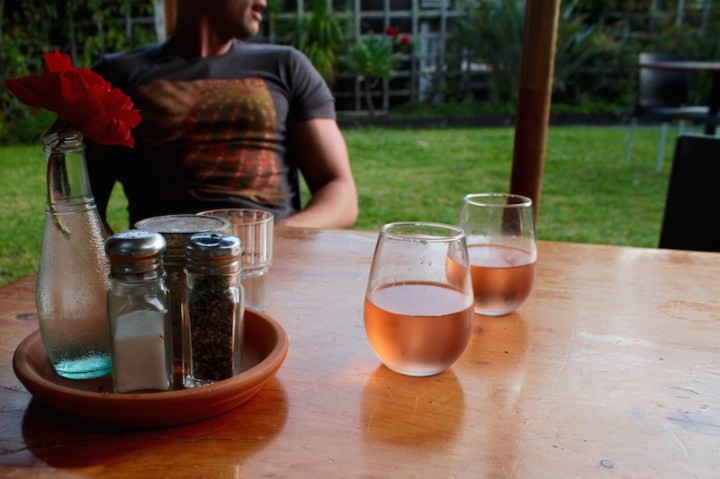
Matakana village buzzed as usual, and after a short stop we moved on to our favourite spot, the Sawmill Café at Leigh. There we ate a late lunch, checked into our room and spent a lazy afternoon in our shady courtyard. In the evening we drank rosé in the garden, eating fresh raw fish and crispy wood-fired pizza as the sun slowly sank.

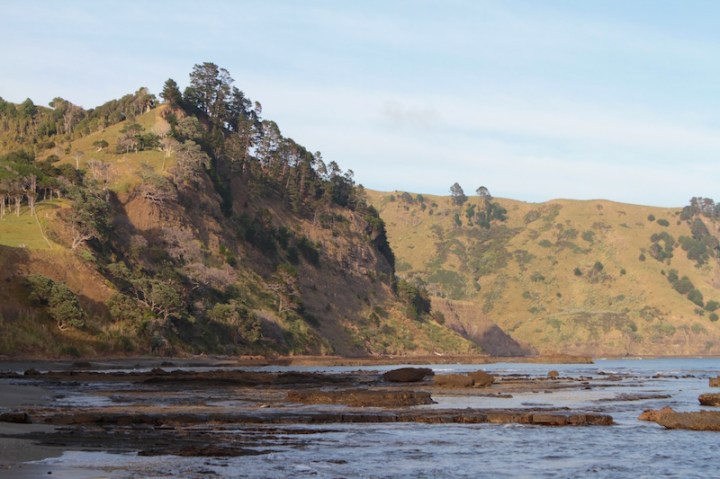
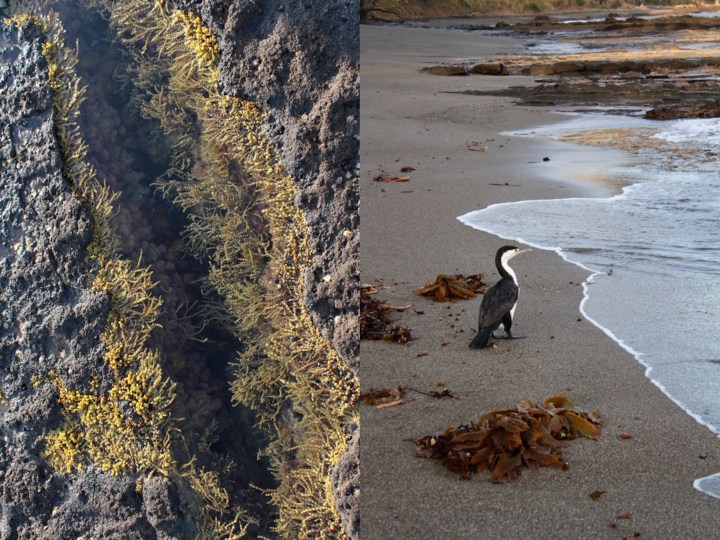
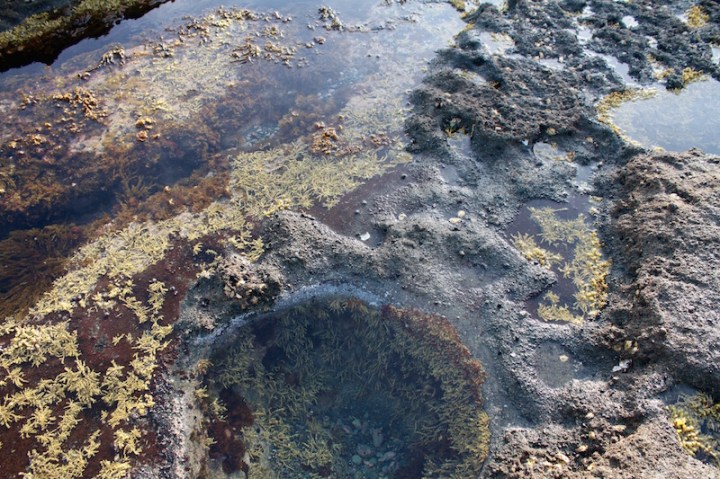
The next morning, not long after dawn, we drove down to the Goat Island Marine Reserve to wander over the rock pools and enjoy the solitude before the day’s tourists descended. Back to the Sawmill for eggs and coffee, then a leisurely drive south to Auckland. It was a magical not-quite-24 hours that just made me love it all the more.

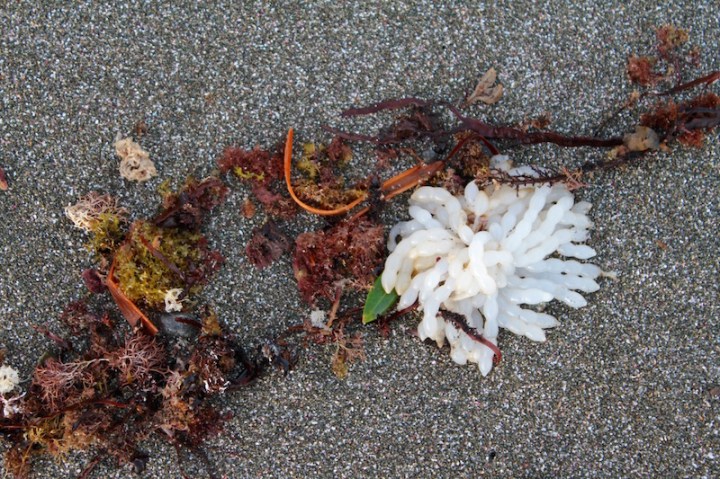
Cool summer evening, Leigh Sawmill Cafe, Matakana CoastLeigh Sawmill Cafe, Matakana Coast, New Zealand collageWoodfired pizza, Leigh Sawmill Cafe, Matakana Coast, New ZealandAt dusk - Leigh Sawmill Cafe, Matakana Coast, NZRosy rose at Leigh Sawmill Cafe, Matakana Coast New ZealandCoastline at Goat Island Beach, Leigh, Matakana CoastGoat Island Beach, Matakana Coast, New Zealand collageSeaweed, Goat Island Beach, Leigh, Matakana CoastRockpools at Goat Island Marine Reserve, Leigh, Matakana CoastSeagull highway at Goat Island Marine Reserve, Matakana Coast New Zealand