comments 4

Byron Bay hinterland


I like the sound of that word – hinterland.  It’s not a word I ever heard used in New Zealand, but here in Australia it’s in common usage.  Technically, hinterland refers to a rural area behind a coast or river shoreline, or an urban area.  It’s German in origin, derived from “hinder land”; literally (and romantically), “the land behind”.  I’m not exactly sure at which point a city or coastline becomes a hinterland – and it’s no doubt more of a transition than anything – but when I think of the hinterlands we have travelled thus far, they feature open spaces, vibrant greenery, and a city-ridden clarity of air.

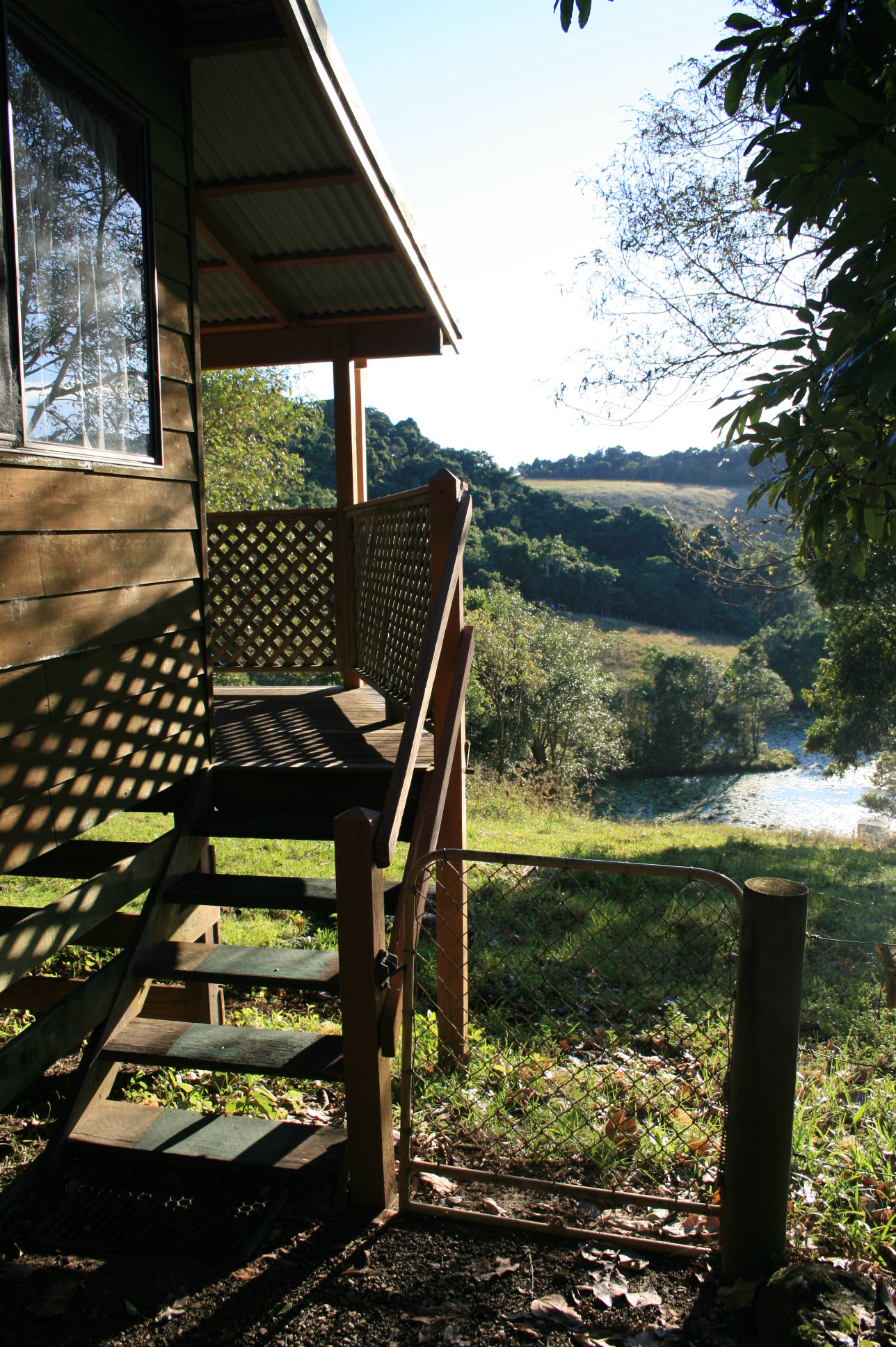
A couple of weeks ago Colin and I spent four blissful days in the land behind Byron Bay, which is located around two and a half hours south of Brisbane, not far over the NSW border.  Byron is a popular tourist spot with a reputation for great surf, music festivals and a relaxed, hippy vibe.  But like most well known destinations, it tends to be busy with tourists for much of the year.  We wanted a restful break, and elected to stay inland from the Bay, renting a self-contained cottage on a rural farm.  This gave us the advantage of enjoying a spacious and quiet property while being within a few minutes drive of the restaurants, beaches and bustle of Byron.

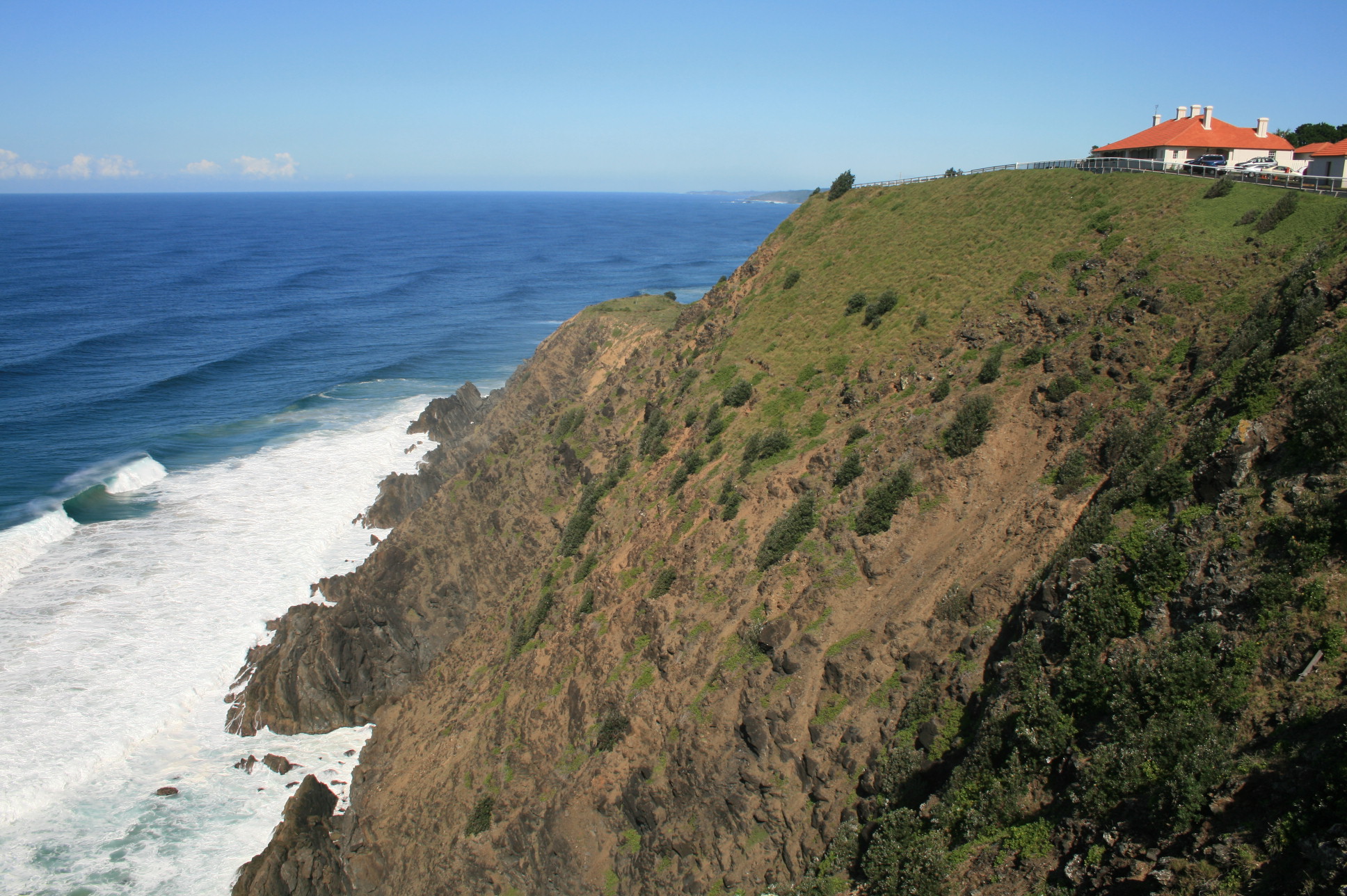
We spent one full day driving through the surrounding hinterland area, exploring the beautiful village of Bangalow, the larger town of Lismore, and the weird little world of Nimbin.  At many times driving through these isolated areas we felt like we could have been in the Far North of New Zealand, where we grew up.  Another day was dedicated to a long walk to the lighthouse and around Cape Byron, which is the easternmost point of Australia.  The remainder of the time was spent in varying degrees of sloth, reading books, sipping wine, sleeping in, and pottering in the kitchen.  Highlights of the trip were:

  • A funky brooch and necklace purchased at a random shop in Tweed Heads
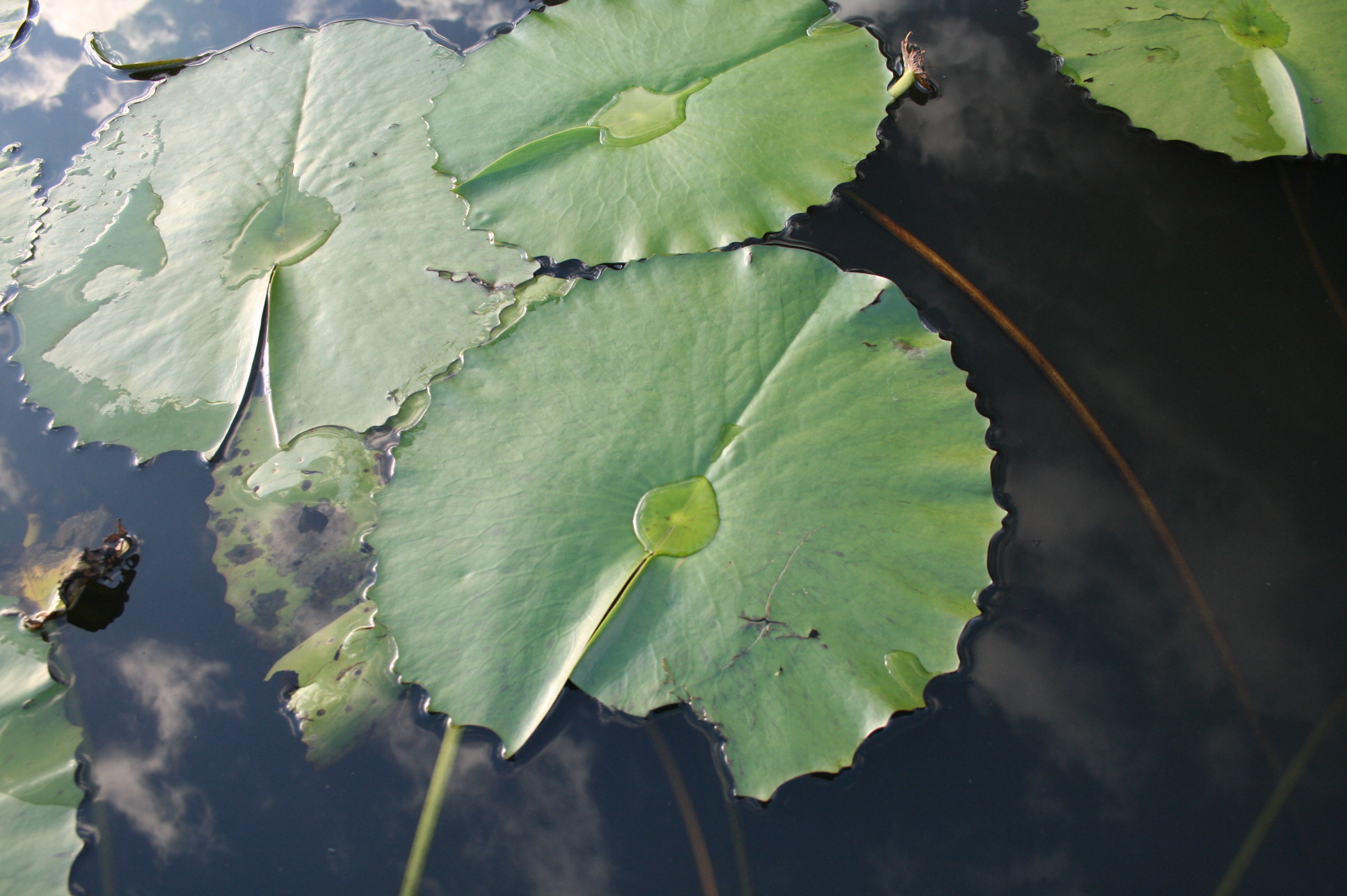
  • Rowing on the large dam on the farm as the sun sank
  • Pear and macadamia bread with poached pears at Bangalow’s Utopia cafe
  • Two brilliant Spanish street buskers, mesmerising a large crowd in Byron Bay
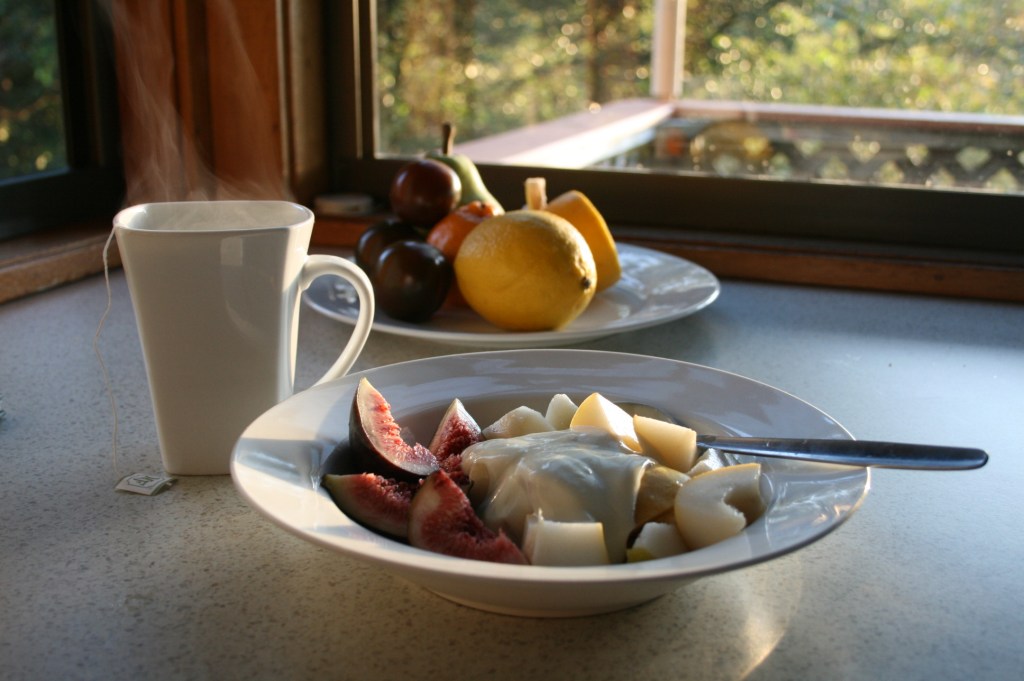
  • Morning sun streaming through the kitchen window at the cottage
  • Immersion in a good book (Peter Kurth’s biography of Isadora Duncan)
  • Intensely flavoured, chewy, semi-dried olives purchased at the market

No exotic travels for us this year, unfortunately, but more of this kind of escape I can definitely take.  As per usual, hover your mouse over the photos to make the captions appear.  A map of the area is pasted underneath the photos, for the benefit of my NZ friends and family.


Image credit here

comments 6

Tahini, three more ways

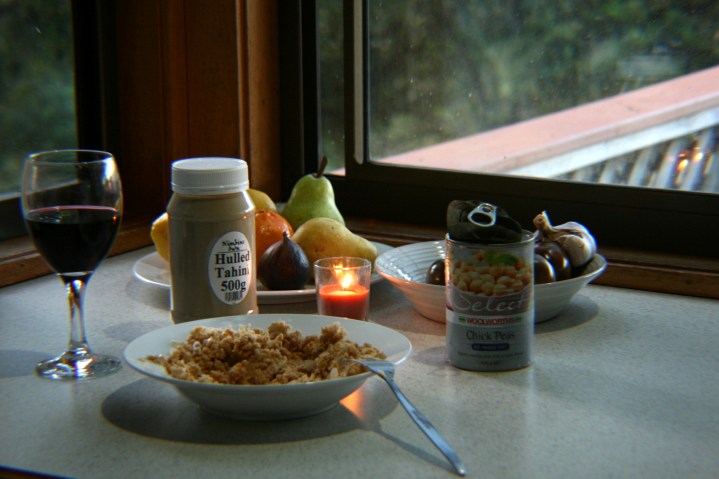
Back in my undergraduate student days the only cookbook I owned was Alison Holst’s “Meals without Meat”.  I can confidently say that between 1993 and around 2005 I tried at least 50% of the recipes in that book, spurred on by a lengthy period of vegetarianism, and Alison’s inherent trustworthiness (she could easily be your very own Mum, passing on tried and true family recipes).  Although it’s not a book I have used much in the past few years, it remains a stained, spattered and well-loved possession.  It’s currently packed away in our storage unit back in Auckland; even so, I can effortlessly conjure the double-page photographic spread that accompanies Alison’s recipe for hummus.

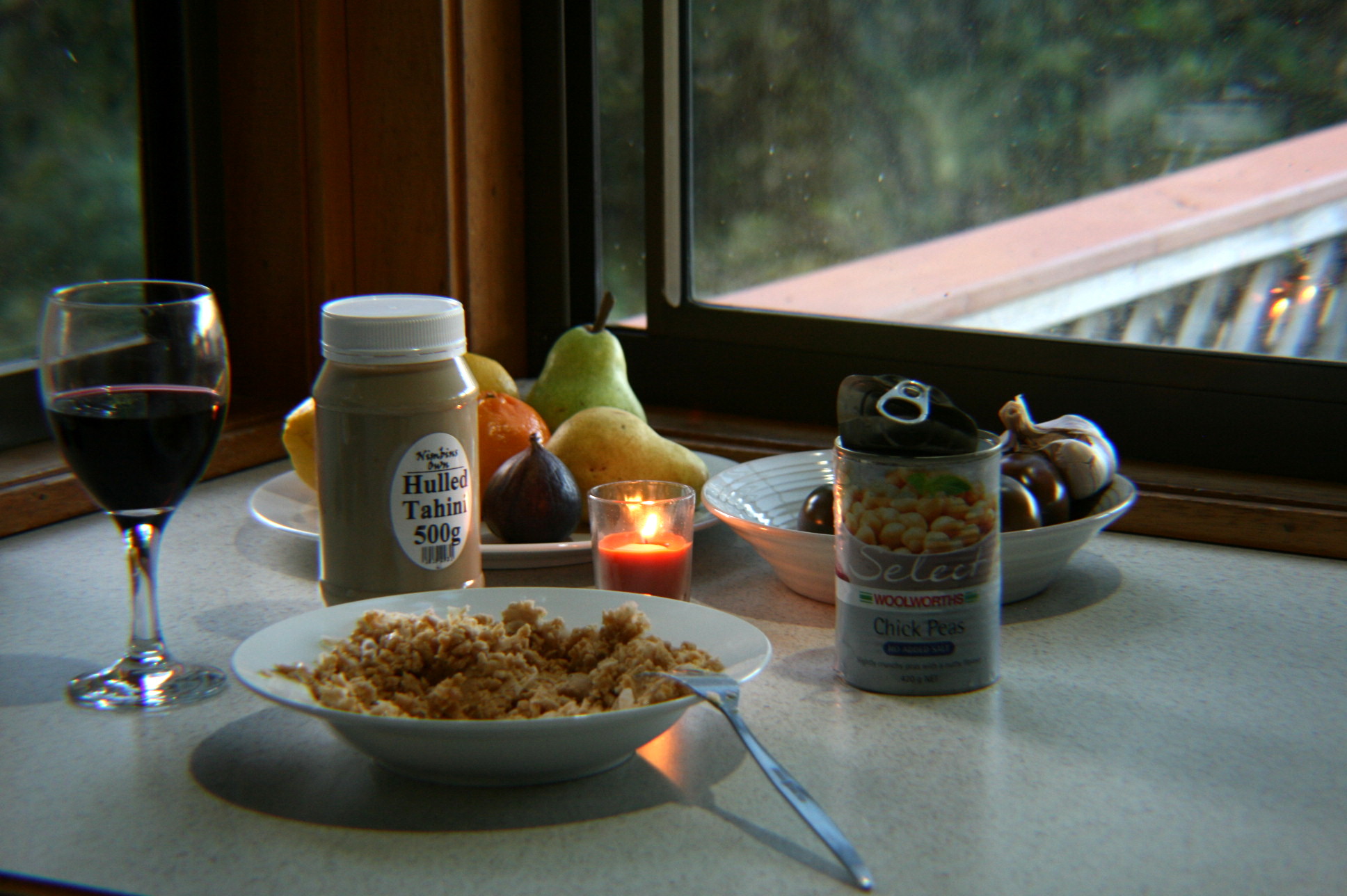
Alison’s recipe calls for home-cooked chickpeas, probably because the book was published at a time when canned chickpeas were not readily available in NZ.  The one and only time I attempted to make it, I sought out the unfamiliar tahini and tracked down a bag of dried chickpeas, which I proceeded to cook for hours.  After assembling the hummus (the recipe produced a voluminous amount), I found the resulting mixture to be totally inedible, probably because I had undercooked the chickpeas.  Alison had claimed that hummus was “addictive”, however, on this rare occasion Alison failed me, and it was some time before I sampled hummus again.

Pre-made varieties of hummus later turned me on to those promised addictive qualities.  The ubiquitous New Zealand-made Lisa’s brand was a staple item on my shopping list for years until I discovered how easy it is to make and how much more I loved my own homemade variety, in which the zing of lemon, sharpness of garlic and earthiness of tahini are that much more intense.  It doesn’t seem right to provide a recipe as it’s such a  simple process, but it starts by blending or mashing a can of drained, rinsed chickpeas with crushed garlic, the juice of a lemon, a couple of tablespoons of tahini, and a good pinch of salt, then tasting-adding-tasting-adjusting until it’s just right.  I often thin the mixture with a little water, and lately I serve it in a wide dish sprinkled liberally with dukkah for an extra-moreish hit.
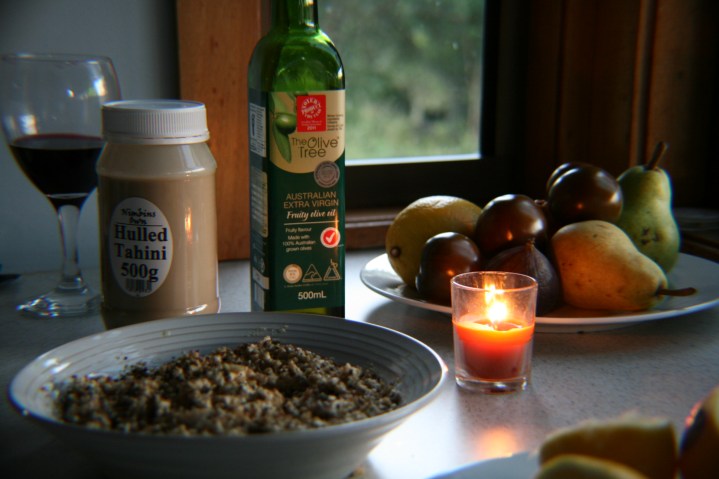
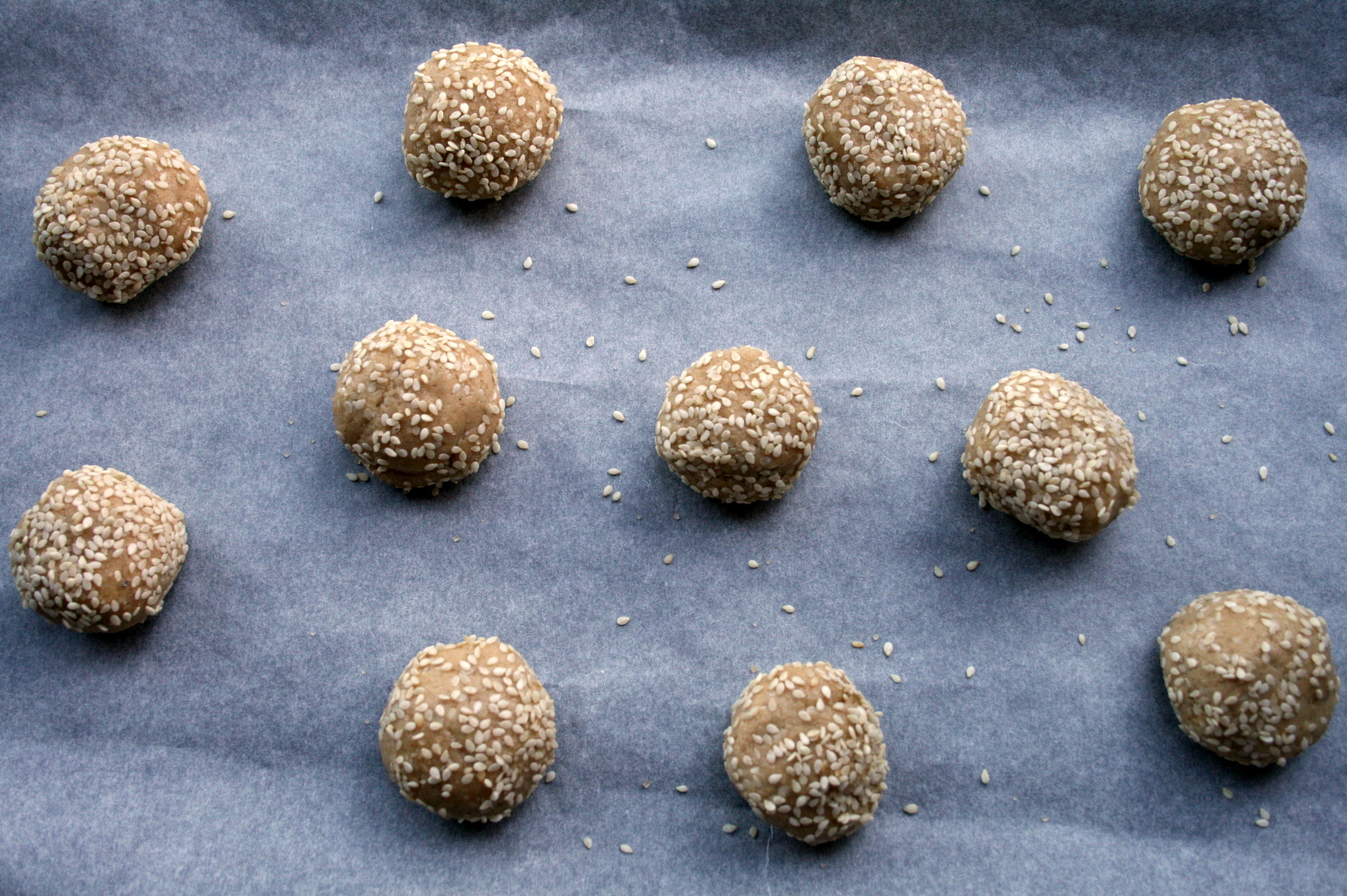
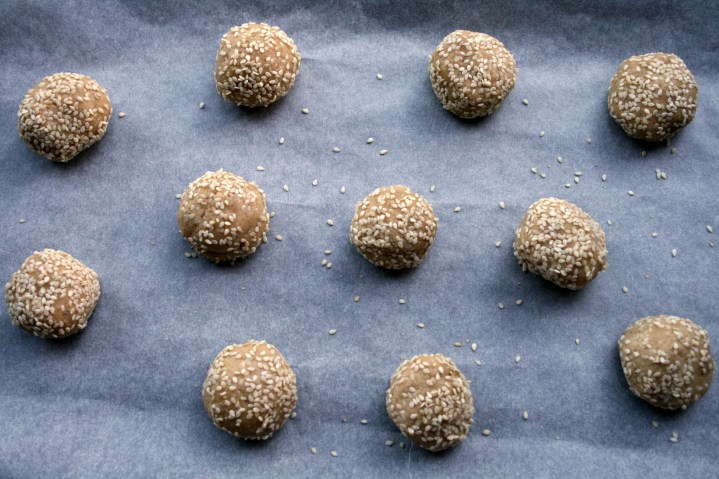
My love for homemade hummus has been the only reason why I always had tahini lurking somewhere in the fridge – until recently.  A few weeks ago, I came across a novel and intriguing recipe for Tahini Cookies on a blog I have recently discovered.  I decided to trial these cookies, and made them to take to a meeting at work.  As soon as I ate one I knew they were wonderful, and the favourable responses of my work-mates confirmed their deliciousness.  I’ve included the link here and encourage you, implore you, to make them.
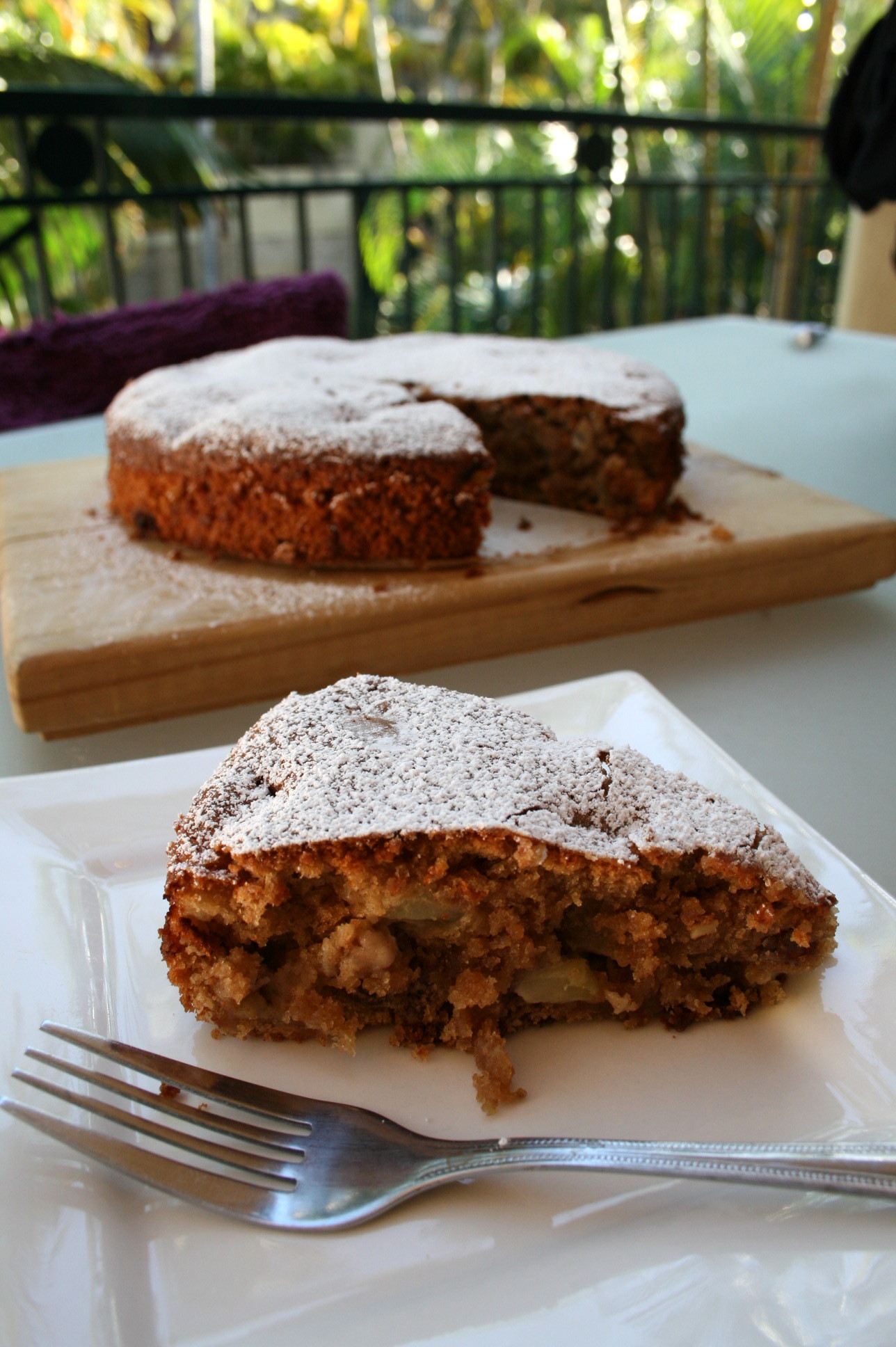
Due to the success of the Tahini Cookies, I felt motivated to search for further new ways to use tahini.  Recipes for tahini dressing abound on the Internet, and this lemony one is great (and I don’t think that the suggested guar gum is necessary).  I was also intrigued by a recipe for Greek Apple Tahini Cake which I tried last weekend (recipe below).  Much like the cookies, this cake boasts a lovely richness from the tahini, but this time the flavour is less pronounced, mellowed by the addition of fresh apple and cinnamon.  The cake doesn’t quite have the lift of more conventional recipes, but it is beautifully moist, and as it happens to be vegan, it would be a useful recipe for those who need to avoid eggs and/or dairy. If you needed any further encouragement to try some tahini recipes, it might be helpful to know that tahini is extremely nutritious.  It’s even higher in calcium than dairy products, as well as being high in B vitamins, copper, protein and unsaturated fats.  I’m certainly going to be using more of it in future.
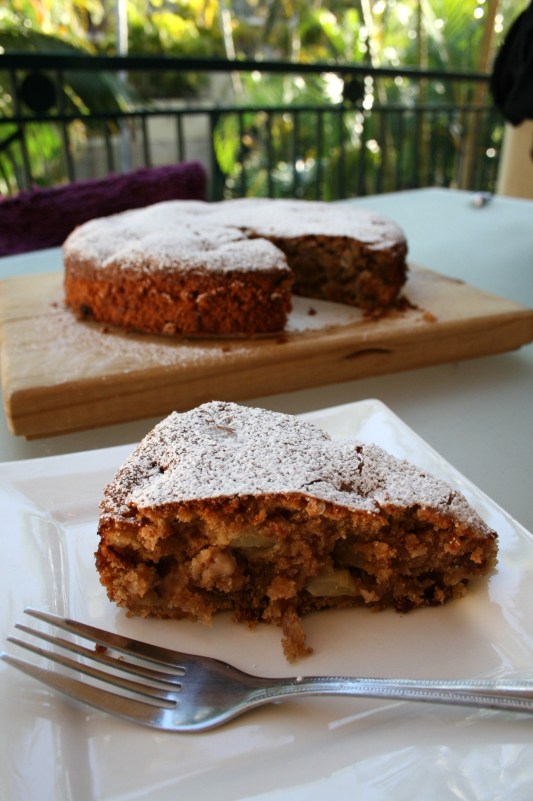
I’ve made a few changes to Sara’s recipe, mainly swapping brandy for Cointreau/vanilla essence and changing the method, as the tahini-sugar mixture siezed when I made it as specified.  The cake was nice but not amazing on the first day.  On the second day it was denser and moister and the flavour was greatly improved.  By the third day it was getting a little too moist for my liking.  Lesson: if you can wait, leave it to the second day, and then devour it all.

Greek Apple Tahini Cake

Adapted from Nomad With Cookies

1 cup tahini (hulled)
1 cup sugar
1 teaspoon vanilla essence, mixed with enough Cointreau to make a total of 2 tablespoons (if you don’t want to use Cointreau, just make up the difference with extra orange juice)
1 teaspoon baking soda
1 1/2 cups plain flour
2 teaspoon cinnamon
1 cup walnuts, chopped
1 1/4 cup granny smith apple (about 2 small), peeled and diced
1 cup orange juice
Icing sugar for dusting

Preheat oven to 180°C/350°F. Line a 22cm spring form cake tin with baking paper. Grease the tin with butter or cooking spray (if you want to be totally vegan), and sprinkle lightly with flour.

Using a cake mixer, beat the tahini, slowly adding the sugar a couple of tablespoons at a time.  In a separate bowl, toss together the flour, baking soda, cinnamon, walnuts and diced apple.  In another small bowl, mix the orange juice, Cointreau and vanilla essence.  Add one-third of the flour/nut mix to the tahini and fold through. Add 1/2 the orange juice mixture and stir until incorporated.  Add another third of the flour, then the other half of the orange juice.  Finish with the remaining flour and mix just until combined. The batter will be thick, smooth, and a beautiful caramel colour.

Pour the batter into the tin and place in the oven.  Sara advises baking the cake for 45 minutes, but I needed to cook mine for closer to 70 minutes.  I would advise testing it with a skewer at the 45 minute point, and every 5 minutes after that until it is done.  Remove from the oven and let the cake cool in the tin.  Run a knife around the edges, then remove from the tin and dust with icing sugar.

Filed under: Eat
comments 15

Where I’m from

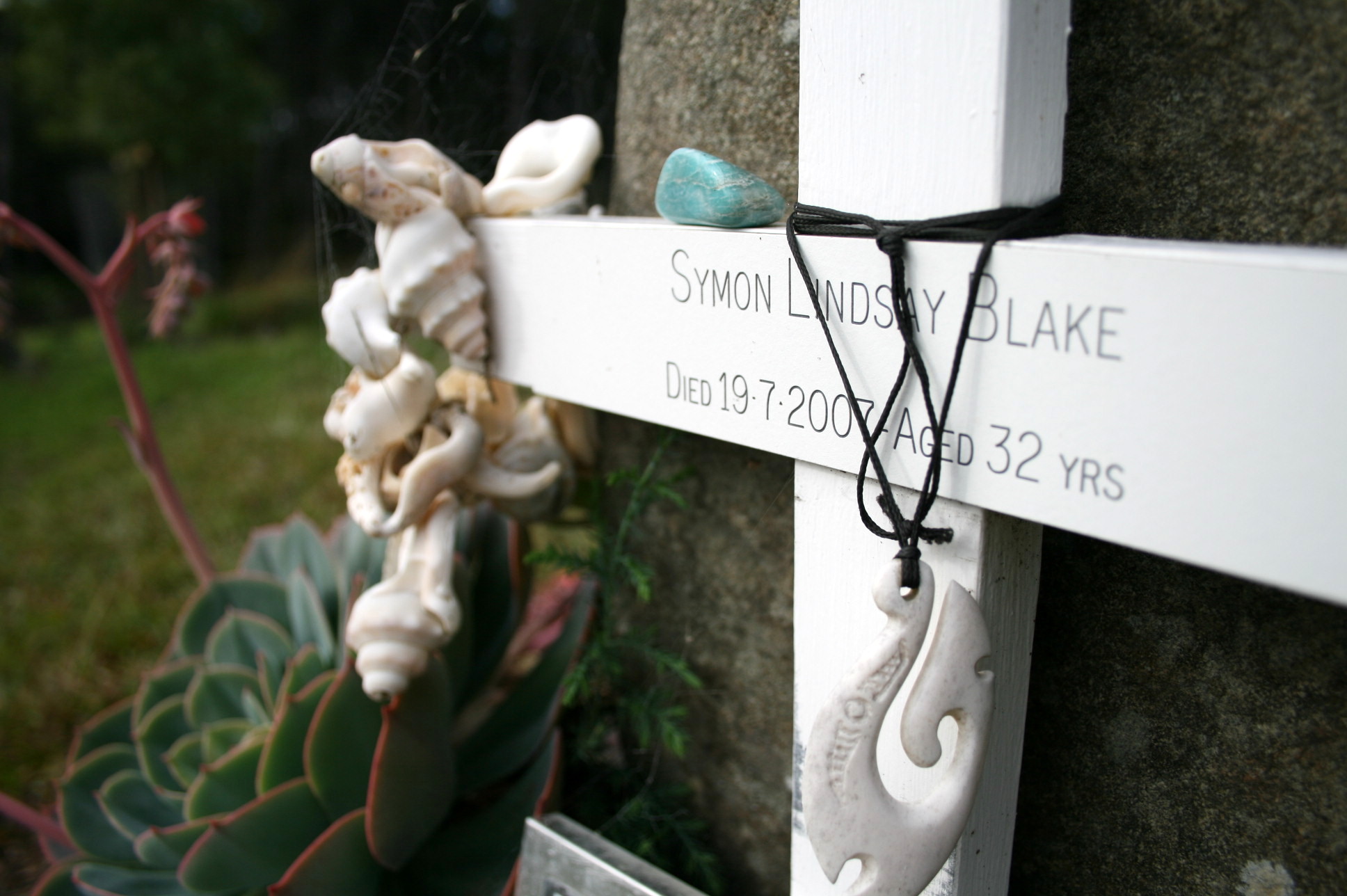
Whenever someone asks where I used to live in New Zealand I’m not content with a simple answer. I say that we used to live in Auckland, but that I grew up in the rural Far North.  I might have lived away from the Far North for half my life but it will always be where I’m from.  It’s where I went to school from the ages of 5-18, which is also the school where Colin and I first met. The house I grew up in is there and it’s still the home of my parents and youngest sister. My grand-parents’ house is there too, and another of my sisters’ now lives with her family. Colin’s Mum and step-father live in the closest town, 20 minutes drive away and our closest friend is buried there. We might have lived in Auckland for 15 years before we moved to Brisbane, but the Far North is home in a much deeper sense.

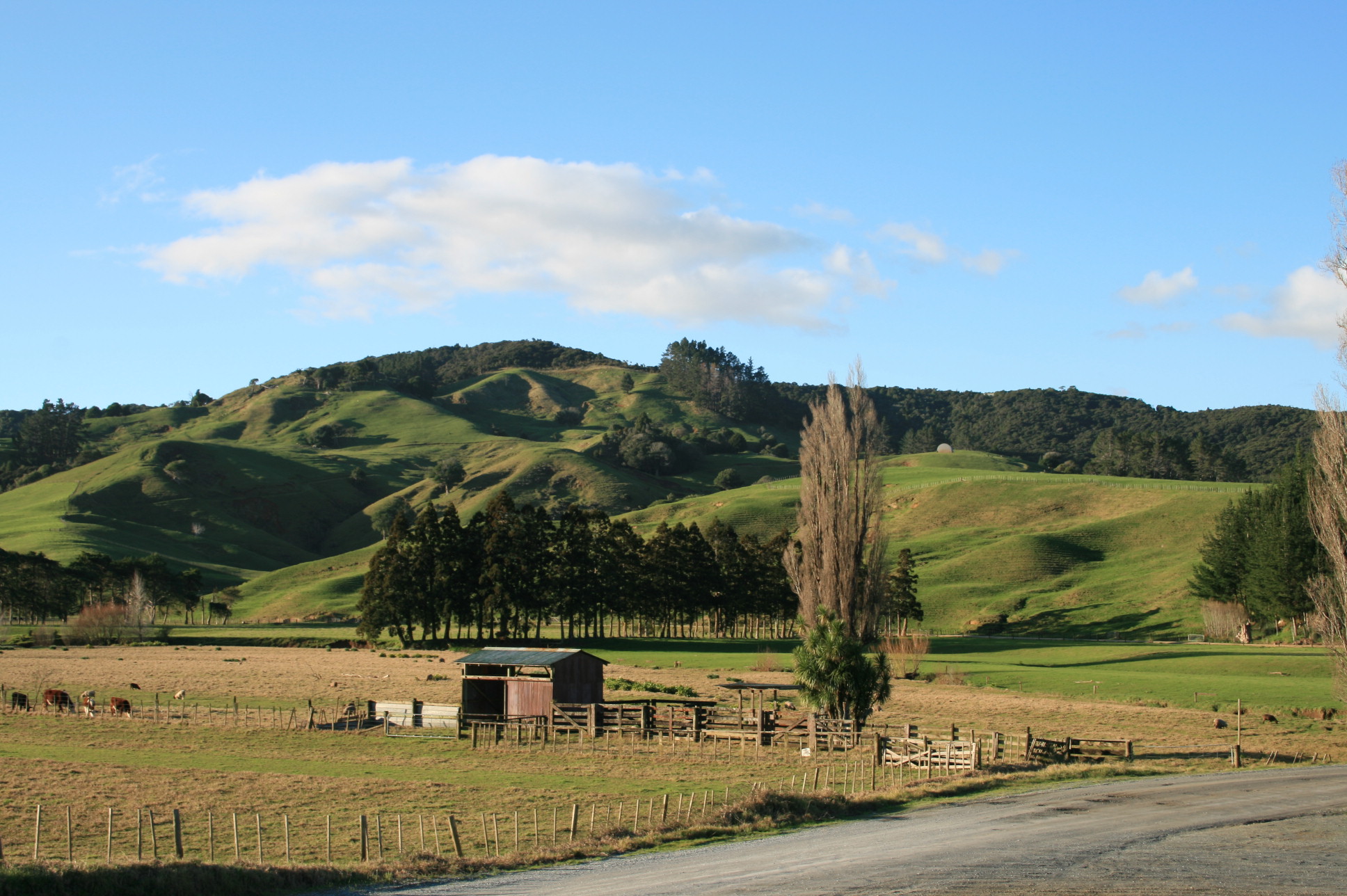
Although we didn’t get ‘up north’ as often as we would have liked in the years before we left the country, every trip back was treasured.  As we neared the end of every 4-5 hour drive, the unfolding landscape would inevitably trigger a rush of memories.  The last 10 kilometres to my parents’ house was always particularly charged, a time-space suspension in which I would recognise and remember: the familiar camber of each corner, the winding river, the paddock shaped like a floating handkerchief, the derelict milk factory, and finally my parents house with the white letterbox and red flag.

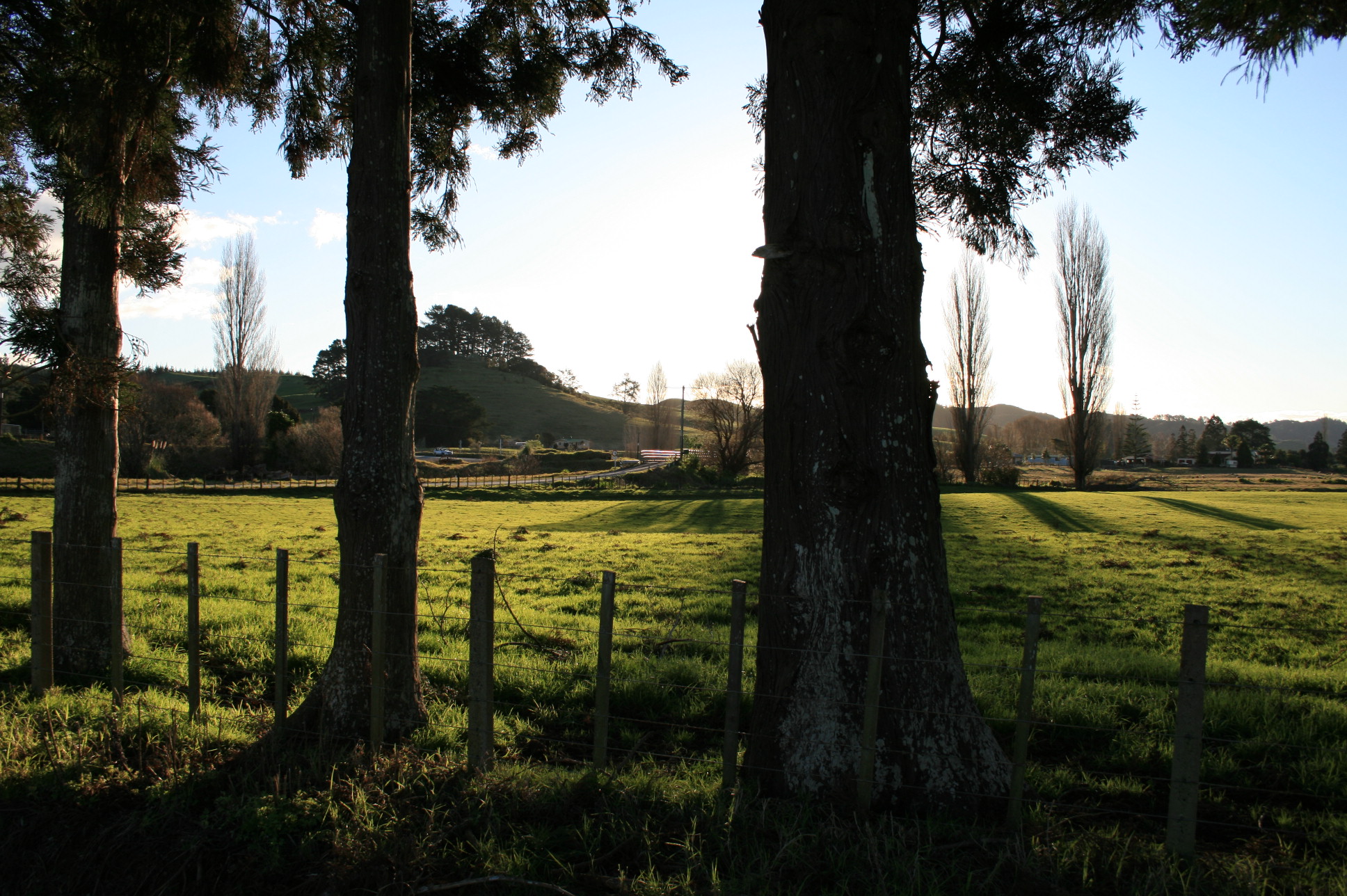
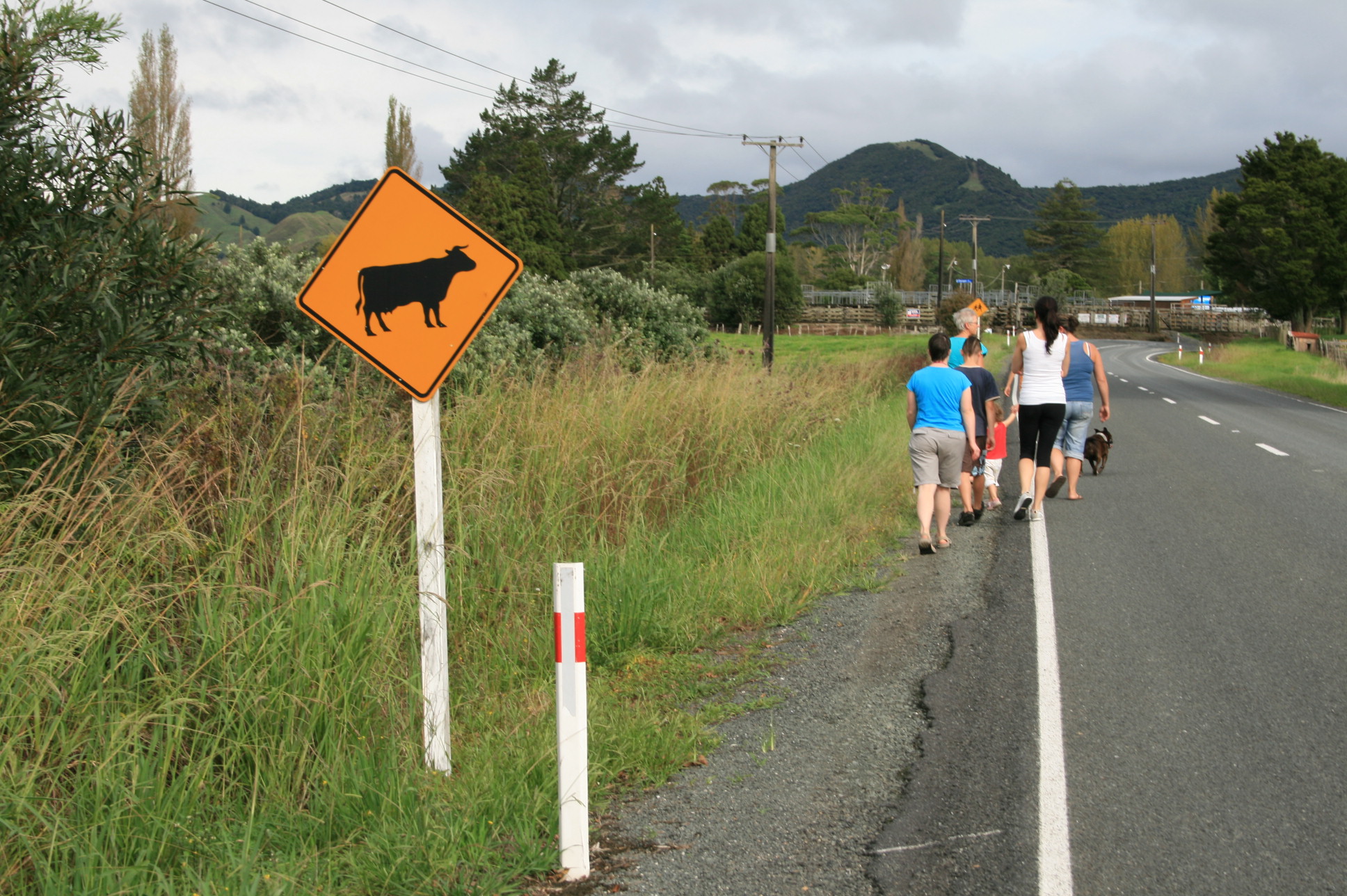
Although we’ve lived in urban spaces for a long time now, both of us still feel the pull of green hills and a slower paced life.  Last weekend, we rode Colin’s new motorbike through the hinterland northwest of Brisbane, and I was reminded of the Far North at times.  Although the landscape is quite different here, every now and then some combination of light/hill/trees/vista, or a general feeling of sparse population and rural wholesomeness, fleetingly conjured that original home.  On the back of the bike last weekend, while I tried not to notice my aching (unbroken-in) backside, I found myself thinking about all the photos I have of the Far North and what a nice blog post they would make.

Note: hover your mouse over each photo to make the captions appear.


comments 5

Easter means chocolate

Image credit here

I really like chocolate, but Colin, his love for chocolate is legendary.  One Easter about ten years ago he asked me to go all out on chocolate, to really spoil him.  I proceeded to purchase several kilos of chocolate easter eggs and hide them all around the house – in a sugar fueled frenzy, he spent the whole Easter holiday hunting out and devouring almost all of the chocolate. The quantity consumed over four days was 3.2 kilos in total, we worked out.

For much of his adult life Colin has oscillated between a fully blown chocolate addiction and periods of hard-won restraint.  I, on the other hand, was reared in a fairly puritanical household where chocolate is concerned.  A King sized bar of Cadbury’s (was there any other type of chocolate in New Zealand back then?) would last our family of six a good few weeks.  Dad used to dole out three or four squares to each person on a Saturday night when we were all watching TV.  Back then, maybe eight squares at a time was my tolerance limit – the point where the sugar and creamy texture would become overwhelming and sickly.

In the years that I have lived with Colin, my tolerance for chocolate has increased markedly.  Although I still lean more towards savoury treats, I can wholeheartedly say that I adore chocolate.  Last Easter we were in Cambodia, where the Easter holiday simply doesn’t exist, and not one egg passed my lips.  This year, Colin is most inconveniently in the middle of a very strict diet and training programme, subsisting on eight meals a day of chicken breast, tuna, brown rice, broccoli, and a revolting mixture of rolled oats soaked in water and protein powder.  Over the past 12 weeks he has buried his chocolate demons waaaaay deep.  He can barely hear them, and he wants it to stay that way.  This Easter I am eating eggs, but my consumption needs to be respectfully covert.

Image credit here

I’m not a fan of milk chocolate, preferring the bitter edge of dark varieties, usually plain, melting slowly on my tounge.  I discovered a liking for salted chocolate accidently.  Years before it became a food fashion, my favourite treat at the movies was consuming salted potato chips in alternation with bites of dark chocolate.  But when it comes to Easter eggs, I’m not ashamed to admit that my favourite are the Cadbury’s marshmallow ones.  I still love to see the dyed bright orange “yolk” centre.  I have already consumed an entire bag of these, and am ready to move onto something more refined, thinking specifically of the beautiful fish-shaped Italian Easter eggs that I spied at Black Pearl Epicure a couple of weeks ago.  I have also been thinking about the chocolate tasting plate at Monty’s Chocolates in Paddington (see below), that Colin and I shared before he embarked on his current insanity regime.

My favourite amongst this selection were the cocoa-covered balls to the right of the plate – these comprised a crisp wafer and chocolate shell encasing a meltingly soft salted caramel centre.  A close second were the bright orange balls, which were dark chocolate covered candied oranges, or, Jaffa’s for adults.  Monty’s itself is a delightful shop (seen below) with a huge range of top quality imported and local chocolates.  I’m seriously salivating now – one guess where I’ll be on Saturday morning.  Happy Easter everyone!

Filed under: Eat